Marvel Movies Organized by Release Date
From the explosive success of *Iron Man* in 2008 to the latest cinematic offerings in the Marvel Cinematic Universe (MCU), fans often look back at this expansive franchise in the order films were released. This approach mirrors the chronological journey of audiences who experienced each new chapter in theaters when first debuting.
In the section that follows, you’ll find a detailed compendium of all Marvel Studios films, categorized by their theatrical release dates. This compilation goes from the genesis of the MCU with *Iron Man* to its upcoming entries, serving fans as a handy reference tool. If you're more interested in understanding the storyline chronology instead of release dates, there’s a separate
guide available for that. —
Stephanie Ornelas
Phase One: A New Era Begins
The initial phase of the MCU comprises six films, five of which hold the coveted Certified Fresh status. This run starts with the iconic *Iron Man* and culminates in the team-up spectacular *Marvel’s The Avengers*. Who could forget Robert Downey Jr.'s charismatic portrayal of Tony Stark that launched a franchise? Critics celebrated *Iron Man* as an expertly crafted introduction for Marvel Studios, emphasizing its role in setting the tone for future releases.
Take a look at some key entries from this inaugural phase:
From there, we move to *The Incredible Hulk*, a film that, despite its less-than-stellar reception with a 68% score, still holds a place in the hearts of many comic book fans.
And the journey doesn’t stop there! With *Iron Man 2*, *Thor*, *Captain America: The First Avenger*, and finally *Marvel’s The Avengers* building on this foundation, Marvel crafted a universe that would only grow more complex and interconnected as time went on.
To see the complete list, check out the films of Phase One, each one marking an essential step in the evolution of the MCU.
High Scores and Critical Acclaim
The recent slate of Marvel films demonstrates a compelling trend: many have received strong endorsements from both critics and audiences alike. For instance, **Captain America: Civil War** (2016) holds a remarkable 90% Tomatometer score. This film, featuring prominent talents like [Chris Evans](//www.rottentomatoes.com/celebrity/chris_evans) and [Robert Downey Jr.](//www.rottentomatoes.com/celebrity/robert_downey_jr), was directed by the Russo brothers, achieving not just critical acclaim but also solid box office returns.
Following closely is **Doctor Strange** (2016) at 89%, showcasing [Benedict Cumberbatch](//www.rottentomatoes.com/celebrity/benedict_cumberbatch) in a role that would explore new dimensions, both figuratively and literally. It's intriguing how this film, directed by [Scott Derrickson](//www.rottentomatoes.com/celebrity/scott_derrickson), has captivated audiences and critics, making complex storytelling accessible to mainstream viewers.
**Guardians of the Galaxy Vol. 2** (2017) and **Spider-Man: Homecoming** (2017) also stand out. They earned scores of 85% and 92%, respectively. With [Chris Pratt](//www.rottentomatoes.com/celebrity/chris_pratt) and [Tom Holland](//www.rottentomatoes.com/celebrity/tom_holland) leading the casts, these films have solidified their foothold in the superhero genre, each offering a blend of humor and heart that resonates with audiences worldwide.
What’s notable here is the consistency in quality across these films. They generally maintain high scores, which reflects a well-calibrated strategy from Marvel to keep its storytelling fresh while ensuring significant critical backing. That said, the lowest score in this selection belongs to **Captain Marvel** (2019), at 79%. While it still holds a "Fresh" status, this drop does raise questions about varying audience expectations and moviegoer fatigue with certain character arcs.
Box Office Insights
Looking deeper, the commercial performance of these films cannot be overlooked. **Spider-Man: Homecoming** and **Avengers: Endgame** (2019), despite having lesser scores than some peers at 91% and 94% respectively, leveraged extensive fan bases to achieve phenomenal box office success. Just look at **Avengers: Endgame**, which not only shattered records but also cemented its place as a cultural phenomenon.
The critical reception plays a pivotal role in shaping public interest. As audiences become more discerning, one has to wonder: will future Marvel projects hold up to this legacy? As filmmakers strive for originality while catering to a devoted fanbase, it’s essential to innovate without losing the spirit that made the early entries so beloved. After all, audiences crave not just spectacle, but compelling narratives that resonate long after the credits roll.
Looking Ahead: The MCU's Next Chapter
As we step into a new phase of the Marvel Cinematic Universe (MCU), it’s becoming increasingly apparent that audience expectations are shifting. Box office numbers will always attract attention, but the real story lies in the shifting tides of critical reception and fan engagement. For instance, the stark difference between a 92% rating for *Shang-Chi and the Legend of the Ten Rings* and the dismal 46% for *Ant-Man and The Wasp: Quantumania* raises questions about what viewers truly want from Marvel now.
This trend suggests that audiences are starting to seek more than just superhero templates; they want depth, innovative storytelling, and character development. The anticipation surrounding films like *Deadpool & Wolverine*, which has shattered records to become the highest-grossing R-rated film of all time, is proof that the landscape has room for unexpected storytelling and mature themes. Similarly, *Guardians of the Galaxy Vol. 3* has resonated emotionally with fans, indicating that they appreciate a blend of humor, heart, and compelling narratives.
That said, the 47% rating for *Eternals* and the lukewarm response to *Thor: Love and Thunder* underscore the risks Marvel takes in pushing its narrative boundaries. These low scores could signify that not all experimentation will land well with audiences, especially if the execution falters.
If you're looking to navigate these waters, the implication is clear: Marvel may need to recalibrate its approach. Striking a balance between blockbuster entertainment and meaningful storytelling seems essential. As Marvel embarks on this next phase, there’s a chance for a renewed focus on character-driven arcs that don’t shy away from complex themes. The success of upcoming releases will hinge not just on star power but on genuine narrative substance. In this evolving cinematic landscape, the stakes have never been higher.
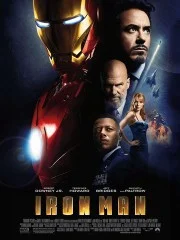
 94%
94%
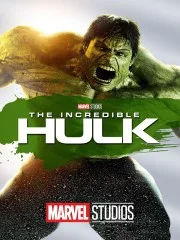
 68%
68%