Nick Reiner Hearing: Judge Extends Pretrial Schedule After Indictment
·5 min read
A restless court appearance in a case with much larger stakes
Nick Reiner’s latest hearing offered a small, closely watched glimpse of how he appeared in court: witnesses said he rocked in his chair and seemed unusually restless. That behavior is difficult to interpret on its own. A courtroom observation can describe what people saw, but it can’t establish what someone was thinking or feeling. The more consequential development was procedural: the judge gave the defense additional time after acknowledging that Nick had been indicted without his lawyers’ knowledge.
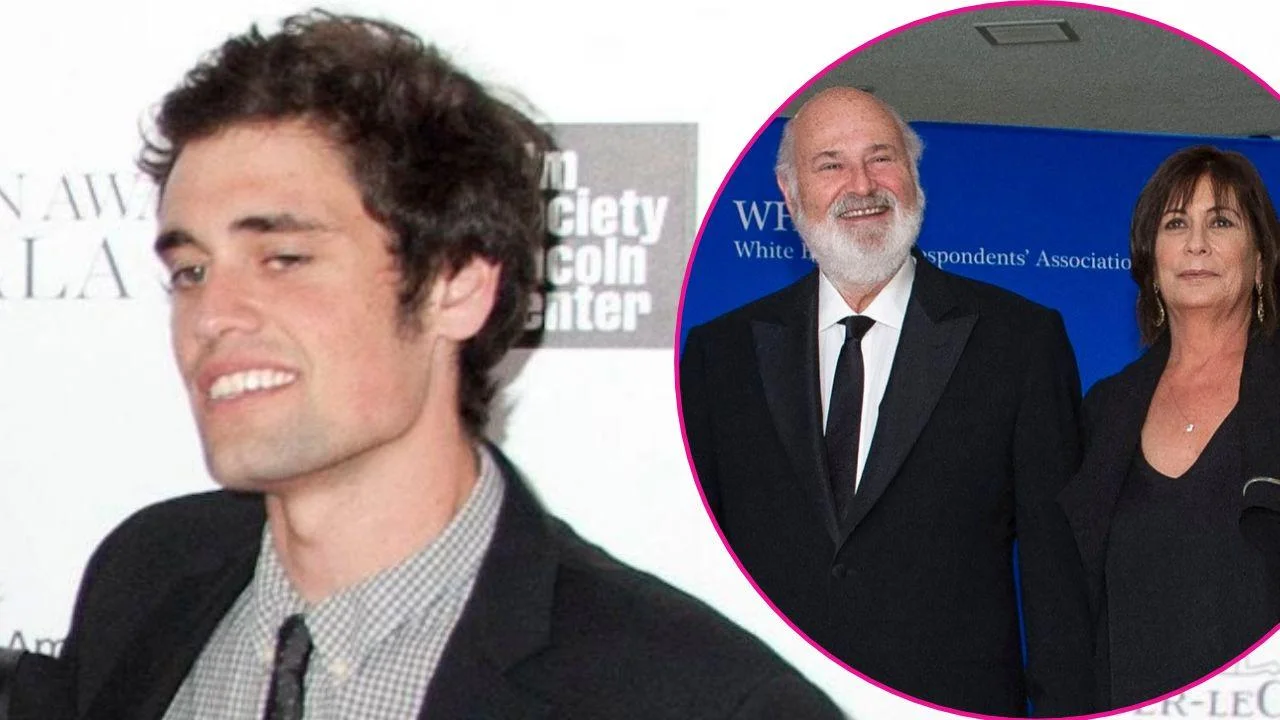
Source: MEGA. Nick Reiner reportedly looked “antsy” at his latest hearing.
Nick appeared at Los Angeles Superior Court on Wednesday, October 21. He is the son of Rob and Michele Reiner, who were killed in December 2025. He’s charged with two counts of first-degree murder over their deaths and has pleaded not guilty. Those charges remain allegations to be tested in court; the hearing described here concerned the case’s schedule and access to records, rather than a determination of guilt.
A report described him as “more antsy and alert than usual” during the hearing, where public defender Kimberly Greene represented him. He wore handcuffs on both wrists, but they weren’t linked to each other or to his chair. At least two supporters watched from the gallery as Judge Sam Oht reviewed the indictment. These details give readers a sense of the scene, but they don’t offer a reliable basis for drawing conclusions about his state of mind.
Nick also appeared with a shaved beard and buzzed hair, leaving prominent sideburns. The report gives no basis for reading more into his appearance or movements. That restraint matters in a case where a vivid courtroom image can travel further than the procedural facts behind it.
The schedule and the evidence
Oht extended the pretrial hearings to January 13, saying Nick had been “indicted unbeknownst to his counsel.” The judge said public interest in grand jury transcripts and exhibits from the July indictment did not outweigh Nick’s right to a fair trial. For anyone following the case, that tension matters: requests to disclose records can collide with the defense’s need to prepare, especially when the materials relate to the allegations the prosecution will have to prove.
The added time is a scheduling decision, not a ruling on the truth of the charges. It gives the case more room for pretrial proceedings while the court weighs competing interests around access to grand jury material. The ruling also puts the defense’s preparation at the center of the immediate story. Here’s the thing: a high profile case can generate strong public demand for information, while the court still has to protect the conditions for a fair hearing.
Source: MEGA. Nick Reiner was indicted in connection with the deaths of his parents.
The pretrial proceedings included allegations that Nick had multiple weapons “lying in wait” before he allegedly killed his parents with a knife minutes apart. Prosecutors haven’t announced what sentence they would seek if he’s convicted. The maximum sentence is life in prison without parole. Those details describe the severity of the accusations and the possible punishment, but they don’t resolve the central question the trial process is meant to address.
Nick was diagnosed with schizophrenia before his parents’ deaths and had recently moved back in with them. He also had a history of drug addiction. He was arrested shortly after Rob and Michele were found dead at their Brentwood, California, home. These facts provide background, but the article doesn’t establish how they relate to the alleged killings. Treating diagnosis or addiction as an explanation would go beyond what the information here supports.
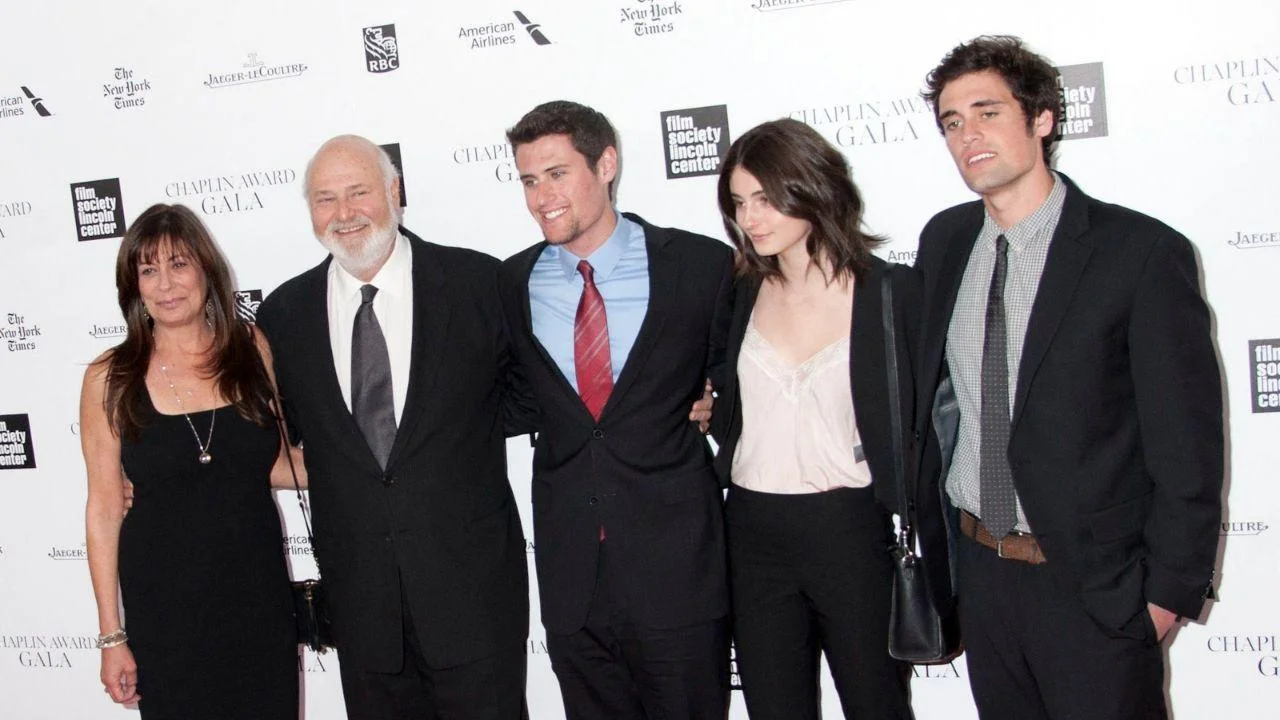
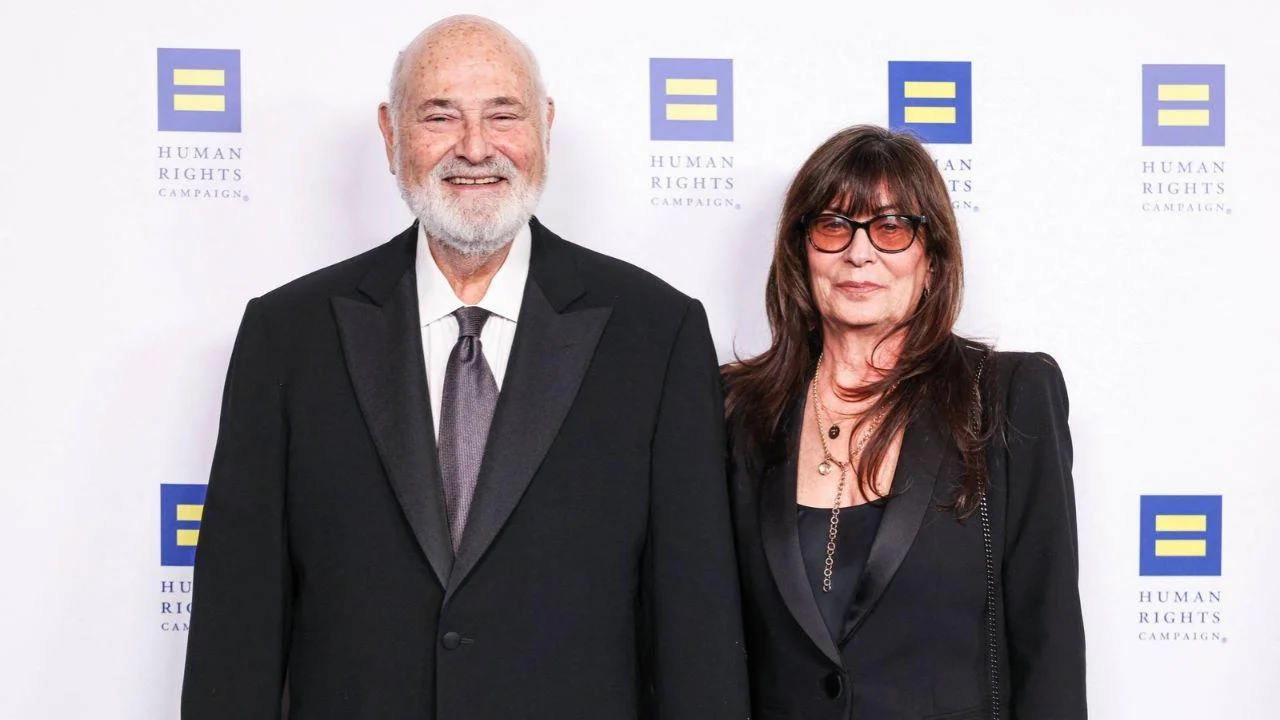
Source: MEGA. Rob and Michele Reiner were found dead at home in December 2025.
The family’s role in the death penalty decision
Los Angeles County District Attorney Nathan Hochman said in September that his office wouldn’t seek the death penalty if Nick is convicted. The office considered several factors, including the views of Rob and Michele’s other children, Jake and Romy. The decision narrows the potential punishment described in the case: prosecutors have ruled out seeking the death penalty, while the stated maximum remains life in prison without parole.
“We did speak with Nick Reiner’s siblings [and] they made their views very clear,” Hochman said. “We took their views into consideration in ultimately deciding not to seek the death penalty.”
That decision sets a limit on the potential punishment, but the family’s grief remains part of the public story around the case. Jake and Romy have asked that the grand jury transcript remain sealed after giving emotional testimony during the summer proceedings. Their request brings the dispute over public access into direct contact with the family’s experience of the case. The record may be of public interest, but its release could also expose testimony that the siblings want kept private.
Source: MEGA. Romy Reiner reportedly testified in the case involving her parents’ deaths.
Jake spoke in August about the strain he and Romy have faced since their parents’ deaths and their brother’s arrest. “I physically lost my parents. And then Nick was arrested. And now it’s Romy and me,” he said. “And we have to navigate this by ourselves.”
The statement captures a family position that can’t be reduced to a debate over documents or sentencing. Jake and Romy are grieving their parents while the criminal case proceeds against their brother, with each new hearing bringing the family’s private loss into public view.
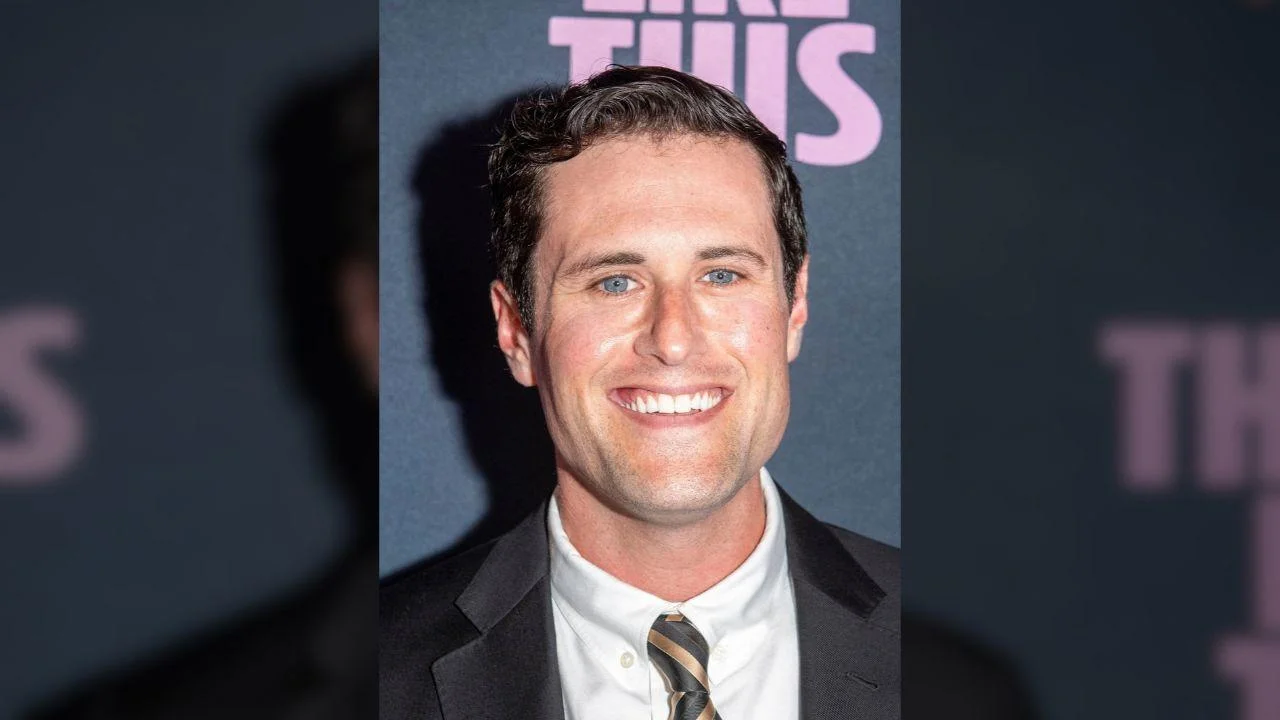
Source: MEGA. Jake Reiner gave an emotional interview about his parents in August.
What the next stage means
The next stated date is January 13, and the immediate focus is on pretrial proceedings and the handling of grand jury records. That may seem like a narrow procedural matter beside the allegations, but it will shape what information becomes public and how much time the defense has to prepare. This is more significant than it looks: the process surrounding a trial can affect public understanding long before a jury weighs evidence.
If you’re following the case, the clearest distinction is between what has been alleged, what the court has decided so far, and what remains unresolved. The indictment and the prosecution’s claims are part of the record; guilt has not been established. And yet, public attention often latches onto appearances and family statements because they’re immediate and human. Those details matter, but they can’t substitute for evidence tested in court (and this is the part most people overlook).
For now, the case carries several unresolved threads: the defense’s preparation, the status of the grand jury materials, and the eventual presentation of evidence. No prediction about the outcome follows from the hearing described here. The next step is procedural.