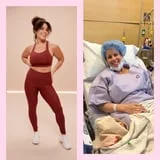
Amanda Butler had been thinking about freezing her eggs before she learned she had breast cancer. At 32, she was single and hoped to have children; she had considered starting the process in 2023. A stage 2 diagnosis changed that tentative plan into a race against the start of chemotherapy, which can affect fertility. Her experience shows how much the outcome can depend on whether oncology and fertility care are coordinated around a patient’s actual treatment schedule.
Butler found a lump in her right breast in July 2022. With no known family history of breast cancer, she initially thought it might be harmless. A doctor felt the lump and said it moved, which seemed reassuring, but still recommended imaging and a biopsy. The next evening, a nurse left a message asking her to come in promptly to discuss the results. Butler, who had previously worked at a health IT company, recognized that the request could signal bad news. She called her sister and broke down.
The following morning, the doctor told her she had breast cancer. Further testing, including a PET scan and MRI, led to a stage 2 diagnosis. Alongside the shock, Butler worried about a career built around physical ability. She was working as a trainer for PS Fit and Amazon and taking part in campaigns. Cancer abruptly put those plans, and the future she had imagined for herself, into question.
Fertility became urgent because chemotherapy was approaching and could compromise her ability to have biological children. Butler says motherhood had long been her central personal ambition. She had wanted a family since childhood, and the diagnosis forced her to make decisions quickly while processing a new illness and its demands.
The care team shapes the experience
When Butler raised egg freezing with her oncologist, she says the doctor responded by asking whether she wanted to pass her BRCA2 gene to her children. The comment left her appalled. She ultimately changed oncologists before starting chemotherapy and continued looking for information about fertility preservation, including by asking friends with connections in the field.
For Butler, that interaction made a basic point impossible to ignore: patients need clinicians who take their goals seriously and communicate without judgment. A cancer diagnosis can bring a tight schedule and complicated choices; a patient should be able to raise questions about future family plans without being made to feel that those plans are inappropriate. Butler’s decision to switch doctors was part of finding a care team she felt could support her priorities.
She also learned that a fertility clinic’s experience with cancer patients matters. Butler says the clinic she initially chose did not provide the structure or reassurance she needed. Rather than getting a clear explanation of the process, she describes being told to come in for blood work the next day, with little context about the timeline or what would happen afterward. In a stressful period, the absence of a plan left her trying to piece together the process herself.
A narrow window made coordination essential
The practical stakes were especially high because egg retrieval had to happen before chemotherapy. Butler says she repeatedly explained that the preservation was related to cancer and that she needed to finish before treatment began. She also says the clinic continued presenting her with large bills despite her explaining that the procedures were covered under California’s SB 600, which she understood to require coverage for egg preservation related to a cancer diagnosis.
Despite those conversations, the clinic scheduled her retrieval for the day before chemotherapy. That timing left almost no room for recovery. Egg retrieval proved more painful and physically taxing than Butler expected, and the discomfort continued for about two weeks. She had assumed she would quickly feel like herself again once the procedure was over. Instead, she entered chemotherapy while still dealing with its effects.
Her account points to a gap that patients can face when fertility care and cancer treatment run on separate schedules. The retrieval involved hormone medication, followed almost immediately by chemotherapy. Butler describes that combination as a major shock to her body. After the procedure and her first chemotherapy round, her abdomen remained distended for two weeks. She lost her appetite and struggled to keep food down.
Friends who had frozen their eggs advised her to rest, drink fluids and avoid exercise. Those suggestions helped, but Butler wanted more specific guidance from the clinicians responsible for her care, particularly about what to expect when retrieval recovery overlapped with chemotherapy. For someone making decisions under time pressure, a clinic’s ability to explain the process and plan around cancer treatment can affect both preparation and the experience itself.
Butler’s story is personal, and patients’ circumstances and treatment plans differ. Still, her experience makes a practical case for asking prospective fertility clinics how they work with people facing cancer treatment: who will coordinate the schedule, what recovery may involve, and whom to contact when symptoms appear. The details matter when the available time is limited and treatment cannot simply be moved at will.
Egg preservation doesn’t settle the timeline
Freezing eggs offered Butler a measure of future possibility, but it did not mean she could use them right away. She says patients are advised to wait at least two years after stopping chemotherapy before trying to have children. Her own timeline could be longer because her treatment also involved multiple rounds of chemotherapy and a double mastectomy.
That waiting period has two sides. Butler says having preserved eggs gave her more time and helped ease the pressure to have children immediately. At the same time, watching friends and relatives start families while she was unable to pursue motherhood was emotionally painful. The procedure addressed one part of her fertility concerns; it could not remove the uncertainty or make the wait easy.
That distinction is easy to lose in conversations that focus on egg freezing as a single decision or a quick solution. For Butler, preservation created an option, while cancer treatment set the pace for when she might be able to act on it. A realistic discussion needs to address both: what can be done before treatment begins and what the likely road ahead could look like.
Finding support beyond the clinic
Butler says she has drawn on past experiences of heartbreak, disappointment and illness to help her process cancer. She tries to shift the question in her mind from “Why is this happening to me?” to “What is this trying to teach me?” That perspective has helped her, though it doesn’t erase the grief of dealing with illness while a deeply held hope for motherhood remains uncertain.
She has also spoken more openly about her experience online and created the virtual support group Cancer Baddies. Members meet to talk about cancer and the frustrations that accompany it. Butler says connecting with people who understand the experience has helped counter the isolation she felt.
Her story makes clear that fertility preservation during cancer treatment is not just a medical procedure squeezed into a busy calendar. It involves clinicians who need to coordinate, information patients can use, recovery that may be harder than expected, and an emotional timeline that doesn’t end when the eggs are retrieved. For Butler, the most useful support would have started with a clear plan and continued through treatment and recovery. She now shares her experiences through her online presence, helping others facing the same urgent questions feel less alone.
- As told to Alexis Jones
Alexis Jones (she/her) is the senior health and fitness editor at PS. In her six years of editorial experience, Alexis has developed passions and areas of expertise around mental health, women's health and fitness, racial and ethnic disparities in healthcare, and chronic conditions. Prior to joining PS, she was the senior editor at Health magazine. Her other bylines can be found at Women's Health, Prevention, Marie Claire, and more.