BioWare’s closure marks the end of one of the most influential studios in Western role-playing games. Electronic Arts plans to eliminate about 400 jobs, roughly three percent of its workforce, and close BioWare’s Edmonton studio, according to Bloomberg. About 50 of the affected positions are at BioWare, Jason Schreier reported.
The decision also ends early development on the next Mass Effect. In a letter to staff, EA COO David Tinson and Chief Studios Officer Cam Weber said the company had reviewed its business and would stop work on some projects. “We've made the decision not to move forward with this development, which means we’re closing the studio and our Edmonton workspace,” they wrote. “BioWare is a legendary studio that helped define the role-playing genre, and we do not take this decision lightly.”
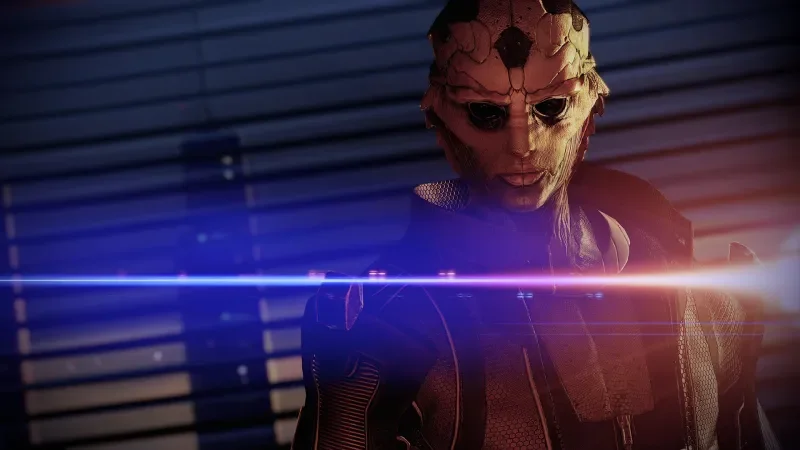
 2020 trailer screenshot for the now-canceled 5th Mass Effect
EA’s remaining slate points toward established franchises. The company plans to continue work on sports games, Apex Legends, Star Wars projects including another Jedi title, and a new Iron Man game. More Battlefield projects are planned, alongside a new collaboration between Respawn and DICE. The staff letter also indicates that EA will pause a planned Sims game and reduce the team working on Skate, though Skate development will continue.
The cuts come months after EA became a private company. A group including Silver Lake, Affinity Partners and Saudi Arabia’s Public Investment Fund completed its acquisition of EA earlier this year. At the time, chairman and CEO Andrew Wilson said the company was entering a new chapter with partners who shared its ambitions and would invest in future games and experiences. The latest restructuring gives that strategy a sharper shape: fewer projects and a smaller workforce, with resources directed toward selected franchises.
BioWare’s own statement focused on the studio’s catalogue and the people who made it. The team named Baldur’s Gate, Neverwinter Nights, Star Wars: Knights of the Old Republic, Dragon Age, Mass Effect and Anthem among the games it brought to life. Its immediate priority, the statement said, is supporting colleagues through the transition.
“What generations of BioWare built together is something to celebrate and remember,” the studio wrote. “These games became so much more because you played them, debated your choices, fell in love with the characters, and made these worlds your own. From all of us at BioWare, thank you for being the most meaningful part of our story.”
That legacy rests on a particular approach to role-playing: character-led stories in which decisions and relationships shaped the experience. BioWare moved from D&D-inspired computer adventures to major console RPGs with KOTOR, Mass Effect and Dragon Age. The studio’s influence remains visible in games built around companions and consequential choices.
Its final years were more uneven. Mass Effect: Andromeda and Anthem fell short of some fans’ expectations. Dragon Age: The Veilguard, the studio’s latest release, received a generally better critical response, but its development followed years of turmoil, as Bloomberg reported. Accounts of internal strain around large projects also challenged the idea of “BioWare magic”—the hope that troubled productions would come together late in development. Reporting on Anthem’s development and former staff criticism of that phrase made the costs of that pattern harder to ignore.
Those difficulties complicate the studio’s story, but they don’t erase its mark on the genre. The relationships, dilemmas and branching narratives that BioWare helped popularize have informed generations of games and players. With the Edmonton studio closing and its next Mass Effect cancelled, that influence will now be carried forward by the developers and studios who learned from its work—and by the people affected by this closure as they find their next projects.