
Clayface is an unusual test for DC’s movie universe: it puts body horror at the center of a comic book adaptation, then largely leaves the wider superhero machinery in the background. That choice gives the film room to develop its own identity. It also leaves reviewers split over whether the story and its effects make good on the premise.
Tom Rhys Harries plays the title character in the film, due in theaters this weekend. It’s the third theatrical release in the DC Universe, after Superman and Supergirl. The Halloween-season timing points toward a franchise horror outing; the reviews suggest something closer to a strange, sometimes effective standalone film. Its B-movie streak may be part of the appeal. So may be the source of its rougher edges.
 74%
 0%
Here’s the early critical read: the film’s unusual genre mix and Harries’ performance are winning people over, while the writing and visual effects are drawing more pointed complaints.
Does Clayface earn a place in the DC Universe?
Guy Lodge at Variety sees a movie that beats expectations while staying true to its modest B-movie sensibility.
For The Hollywood Reporter’s Frank Scheck, it’s one of the year’s unexpected highlights.
Amelia Emberwing of Pickety Witch argues that the film’s confidence in its own identity will matter to fans.
Josh Wilding at ComicBookMovie.com is less convinced: the film adds little to this part of the DCU, though viewers with modest expectations may still find something to enjoy.
“What’s there is decent enough,” writes Courtney Howard for Fresh Fiction.
Joshua Mbonu of Geek Vibes Nation finds it a step above Sony’s run of villain-led films.
At IndieWire, Kate Erbland welcomes the change of pace for superhero fans tired of familiar formulas, but says James Watkins’ film is more puzzling than persuasive once separated from that novelty.
Spencer Perry’s verdict for ComicBook.com is that the film’s unrealized potential is its chief frustration.
Does the film understand its title character?
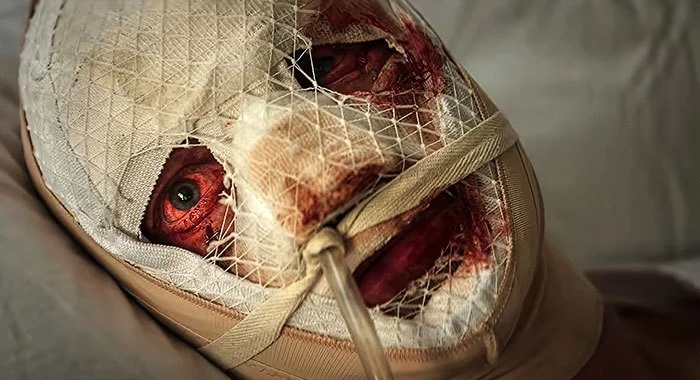
Swara Salih at But Why Tho? sees the film as a model for adapting comic book characters with care for what made audiences love them in the first place, drawing on Clayface’s version in Batman: The Animated Series as well as the comics.
Cody Dericks of Awards Watch singles out a mob-run nightclub sequence as a thrilling showcase for Clayface’s abilities—and says it’s essentially the only one.
Wilding, writing for ComicBookMovie.com, finds the brief glimpse of “classic Clayface” underwhelming. The character looks acceptable, but keeping Matt’s face recognizable blunts the payoff.
How does it sit beside other DC films?
Lodge tells Variety that Clayface is more compelling partly because it doesn’t yet feel tethered to a superhero property.
Robert Kojder at Flickering Myth also finds it more distinctive than other DC films across both universes so far.
Wilding’s comparison at ComicBookMovie.com is pointed: he considers it less disastrous as an adaptation than Supergirl and less offensive to some comic readers than Lanterns.
Brian Tallerico of RogerEbert.com sees a visual shortfall. The movie, he writes, lacks the atmosphere associated with the best of this universe and often looks as if it was shot on a backlot.
What other films does it bring to mind?
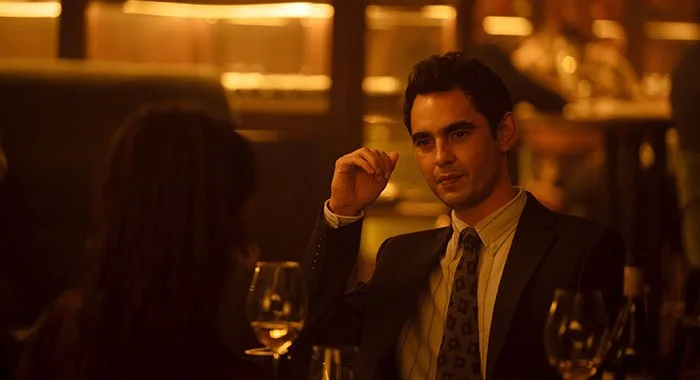
Lodge traces its influences for Variety to cartoonish ’90s horror such as Darkman and Thinner, as much as to DC’s own history.
Howard spots echoes of Hitchcock and classic noir in the film’s spiral staircase and rain-darkened alleys, in her Fresh Fiction review.
Scheck argues in The Hollywood Reporter that its emotional depth invites comparison with body-horror directors David Cronenberg and Sam Raimi.
Tallerico’s RogerEbert.com review draws a closer parallel to Cronenberg’s The Fly, including a romance doomed by bodies that melt.
For Dericks at Awards Watch, the emphasis on shock and bodily horror puts the film nearer The Substance than Superman.
Wilding reduces the comparison to a brisk verdict in his ComicBookMovie.com review: “It’s Morbius, but slightly better.”
Can it stand on its own?
Lodge describes a “nasty, gnarly” body-horror film that has its own tone and style. Its odd genre blend, he writes for Variety, feels fresh and enjoyably gross within a single, contained story.
Dericks welcomes the film’s small scale in a genre that needs variety, in his Awards Watch review.
Karina Adelgaard notes for Heaven of Horror that the film includes references to DC heroes and villains, though it never names them.
Perry’s ComicBook.com review sees a tradeoff: keeping the story contained makes it feel more disposable, and leaves narrative flaws exposed because the film offers few clues about its place in a larger world.
Who’s likely to enjoy it?
Salih calls it a treat for fans of Gotham and horror in a review for But Why Tho?.
Adelgaard’s Heaven of Horror review cautions squeamish viewers, while recommending it to people who like practical effects alongside computer-generated imagery.
Wilding expects its audience to be mostly devoted B-movie horror fans, according to ComicBookMovie.com.
Lodge says the film has little interest in pleasing the broadest audience in his Variety review.
Emberwing makes much the same point for Pickety Witch: broad appeal isn’t guaranteed, and the movie’s refusal to chase it may be its strongest quality.
How effective is the horror?
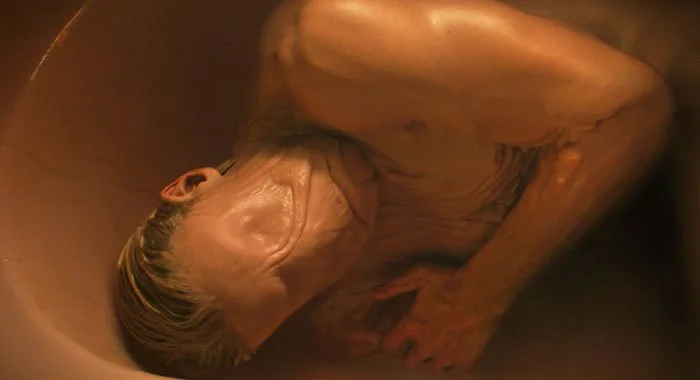
Lodge credits the prosthetics in his Variety review, describing enough grotesque, face-melting transformation to linger in viewers’ nightmares.
Chalice Williams says the gore can be intense enough to make audiences cover their faces. The film is bloody and gruesome, and not what viewers might expect, writes Williams for Black Girl Nerds.
Howard praises its willingness to commit to grotesque gore, brutal violence, and a bleak mood in her Fresh Fiction review.
Emberwing says in Pickety Witch that the film succeeds at making its audience uncomfortable, including viewers who are usually hard to unsettle.
Dericks points to an unusually inventive act of violence near the end of a set piece, writing for Awards Watch that he hasn’t seen another film character do anything like it.
For Matt Donato at Daily Dead, the movie is more disturbing than frightening. Its bloodshed and grotesque imagery still push beyond what comic book films usually show.
Mbonu calls it a workable introduction to body horror in his Geek Vibes Nation review.
Wilding’s assessment for ComicBookMovie.com is harsher: he finds the horror limited, with mediocre visual effects weakening the body-horror sequences.
Do the story and dialogue hold up?
Lodge finds the writing slicker and more knowing than most films in this genre, in his Variety review.
Adelgaard considers it one of the strongest origin stories she’s seen, writing for Heaven of Horror.
Emberwing says nearly every part of the script works in her Pickety Witch review.
Scheck praises how the screenplay tracks Matt’s physical and emotional decline, as anger and revenge push him toward madness, in The Hollywood Reporter.
Chris La Vigna’s review for CBR finds real strengths in the script, but calls the result uneven.
Wilding is blunter at ComicBookMovie.com: he criticizes the wooden dialogue and familiar story beats.

What do critics make of Tom Rhys Harries?
Even Wilding, one of the film’s sharper critics, singles out Harries as a standout. He calls the actor a brilliant discovery for DC Studios, praising the talent he brings to the role in his ComicBookMovie.com review.
Tom Rhys Harries carries the film
The clearest point of agreement among reviewers is Tom Rhys Harries. They describe a lead performance that pairs physical commitment with anguish, making Clayface both someone to care about and someone to fear. Spencer Perry at ComicBook.com praises Harries’ command of the character’s emotional range; Karina Adelgaard at Heaven of Horror simply calls him amazing. Variety’s Guy Lodge sees both sandy handsomeness and “an anguished hunger,” while IndieWire’s Kate Erbland says he finds real pathos beneath the makeup and effects. Matt Donato of Daily Dead likewise sees a protagonist worth rooting for and a villain worth fearing.Naomi Ackie gives the story its human center
Naomi Ackie earns especially strong notices. Reviewers point to her Dr. Corr as the film’s emotional anchor: she brings ethical tension and dry humor to a grim story. Robert Kojder at Flickering Myth calls her the only cast member given compelling inner conflict, while David Gonzalez at The Cinematic Reel says her humor gives the film room to breathe. Britany Murphy at Muses of Media calls Dr. Corr its heart. Rob Brydon also makes an impression in a couple of scenes, according to Josh Wilding at ComicBookMovie.com.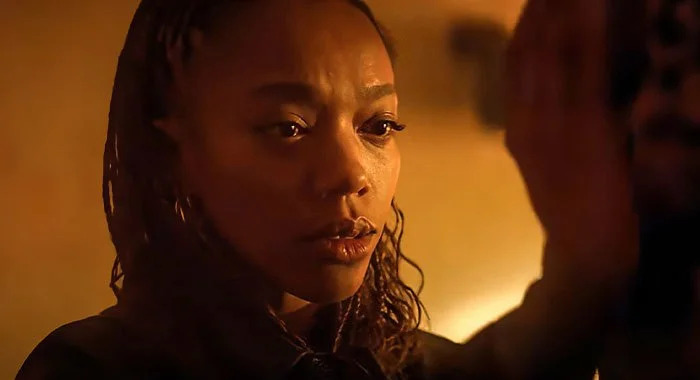
What holds it back
The praise for the performances doesn’t erase a broader problem: reviewers see a film that struggles to make its setting and ideas cohere. Murphy argues that Gotham lacks the personality it usually brings to a Batman story. Wilding finds the film caught between horror that’s too restrained to become classic and a DC adaptation that’s too bland to stand out. Kojder says the final mind-bending turn hasn’t earned its impact after a dull stretch, and Courtney Howard at Fresh Fiction criticizes its depiction of women.