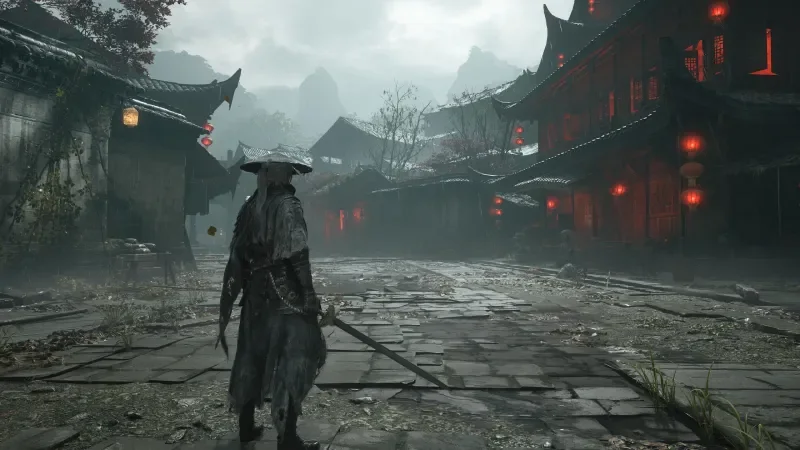
Phantom Blade Zero has already made its case as a major action game, even though I haven’t reached the credits. More than 40 hours in, I’m still chasing story-critical side quests and optional discoveries because I want the fullest ending the game offers. That appetite says more about its appeal than a score could at this stage: S-Game has built a combat system and world that keep pulling me back, and I need more time before judging the whole experience.
This is S-Game’s first major release in this style, following work on mobile and smaller-scale projects. The team’s familiarity with action-game history is plain, but Phantom Blade Zero doesn’t feel like a simple collection of borrowed ideas. It draws on the precision and spectacle associated with games such as Devil May Cry, Elden Ring, Sekiro: Shadows Die Twice and Bayonetta, then gives those influences a distinct martial-arts setting and its own combat rhythms. My read so far: it belongs in that conversation, provided the final stretch sustains the quality of what came before.
Weapons make every fight a fresh problem
Soul, the largely silent martial artist at the center of the story, has a strikingly broad arsenal. After the Order he served betrays him, he sets out to confront a conspiracy threatening the Wulin, a blood-soaked Chinese martial world populated by secret sects, puppets, monstrous creatures and powerful, almost godlike figures. The enemy roster is extensive, and the variety matters: new opponents and bosses keep combat from settling into one repeated pattern.
The weapons are the bigger reason fights stay engaging. Each comes with a distinct moveset and abilities, giving the act of equipping one the feel of choosing a different fighting-game character. Upgrades unlock more options, while Soul Temper adds a final perk that can reshape how a weapon works. At full strength, some weapons draw on most of the controller’s buttons. Phantom Edges add another layer: these powerful tools have limited charges, which can be replenished as you fight.
Accessories, medicines and weapon combinations create an unusually wide range of builds. One setup changes a fighter’s reach and damage depending on whether he’s sober, tipsy or drunk. Another lets Soul spend his own health on charged attacks, then recover it through bleeding enemies. Elemental weapons bring lightning, wind, fire and ice into the mix, and one sword can switch its element on command. My current favorite is a pair of Phantom Edge fists. They hit with such satisfying force that I’ve found it hard to put them away.
S-Game gives players plenty of reasons to experiment. Upgrade materials and currency arrive generously enough that trying a newly acquired weapon doesn’t feel like a costly detour. After dozens of hours, I’ve shifted between builds often enough that Soul can feel like a different character from one stretch of the game to the next. There’s always a chance the next weapon will become the one I carry for hours.
Exploration rewards curiosity
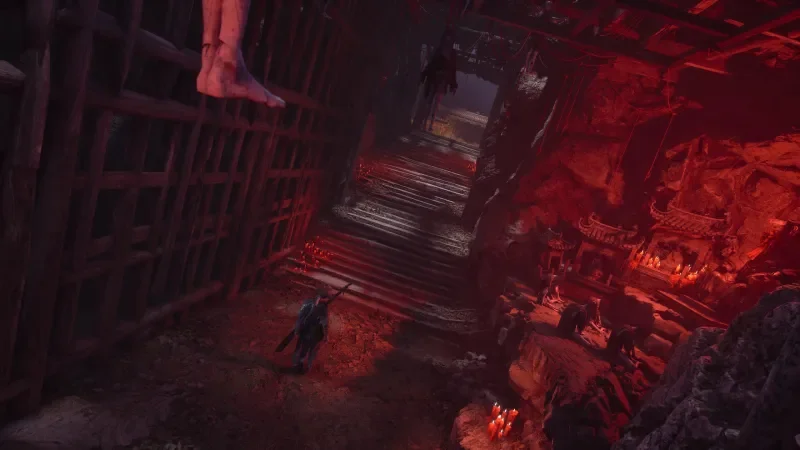
The game’s open-area biomes give that arsenal room to shine. Buildings, alleys, caves and cliffsides connect in ways that invite detours, and optional routes regularly lead to useful materials or worthwhile encounters. Sometimes the payoff is a cache of upgrades; sometimes it’s a boss carrying a weapon worth pursuing. The level design recalls the pleasure of finding a shortcut through a dense, interconnected area, where a small discovery can make the whole map click into place.
Phantom Blade Zero has checkpoints called Phantom Bells, challenging bosses and an interconnected world, so the Soulslike comparison is understandable. But the game handles difficulty and progression differently. Several difficulty options and accessories can make parrying and dodging more forgiving, and defeated enemies stay dead. There’s no return to a cleared area only to find its ordinary foes waiting again after a checkpoint visit.
That choice gives progress a satisfying sense of consequence. Soul is working to clear evil from the Wulin, and the world reflects that effort as enemies disappear for good. It makes each cleared route feel like a small but permanent gain, rather than a temporary victory before the same fight resets.
Big fights, with a few signs of repetition
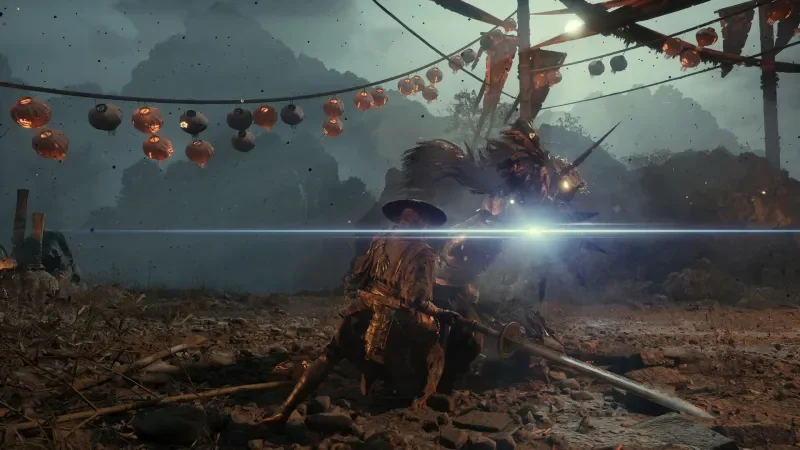
Boss encounters are among the game’s strongest set pieces. Their scale and choreography draw on Chinese cinema, and the roster includes many distinct fights with relatively few repeats outside segmented challenge trials. I haven’t kept an exact count, but the number feels close to 100 or more. That’s an impression, not an official figure; what’s clear is how often a new boss arrives with its own identity and demands.
Checkpointing between phases is a practical touch. When a later phase is the obstacle, keeping that progress means I can focus on learning the next pattern instead of repeating an earlier section every time I fall. The system respects the difficulty of the encounters while reducing the frustration that can come from replaying familiar material.
Even ordinary fights can look spectacular, but they depend on the player’s input. Mashing attack produces a polished animation; learning the specific commands and abilities for each weapon turns a group of common enemies into a much more expressive exchange. Soul may be the world’s greatest martial artist, but the player still has to direct that performance. As the end approaches, some routine encounters are beginning to feel repetitive. That’s the clearest drag on the combat so far, especially beside the ambition and variety of the boss fights.
A vivid world carries a familiar story
The narrative is the least distinctive part of the experience, though it serves the action well. Reading materials, memories, scrolls and books fill in the Wulin’s connected histories for players who want the larger picture. The story itself leans on mystery and momentum rather than new narrative territory, and conversations often amount to two characters discussing the next quest. Cutscenes do more to give the plot emotional weight, with dramatic antagonists, tense confrontations and personal revelations.
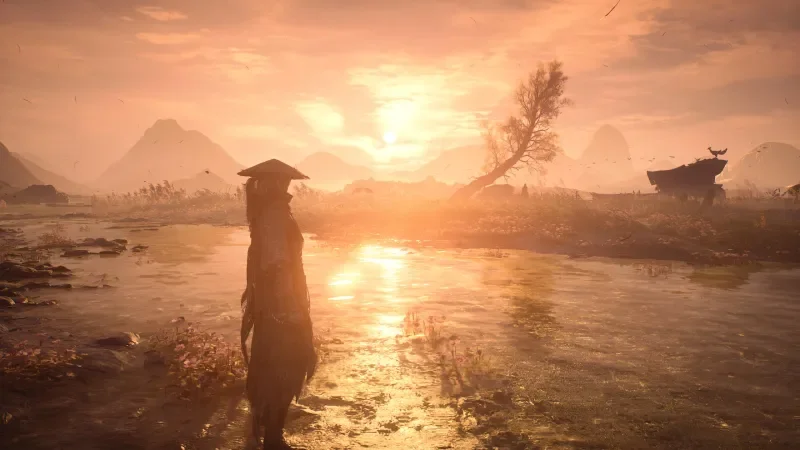
Presentation raises the material around that familiar structure. The game’s dark fantasy vision of China is rendered with striking animation and detailed faces, from subtle lip movements to close-up skin texture. The Chinese performances bring particular force to the cast. English voice work has strong moments, but Soul’s English delivery feels flat; I’d recommend playing with Chinese voices.
There’s still no final verdict here. Phantom Blade Zero has given me a large, varied arsenal, memorable boss fights and a world that makes exploration feel worthwhile, while its story and ordinary encounters show some limits. I’m continuing through the remaining quests because I want to see how those strengths hold up at the finish—and because, for now, I’d rather be playing than writing the score.

