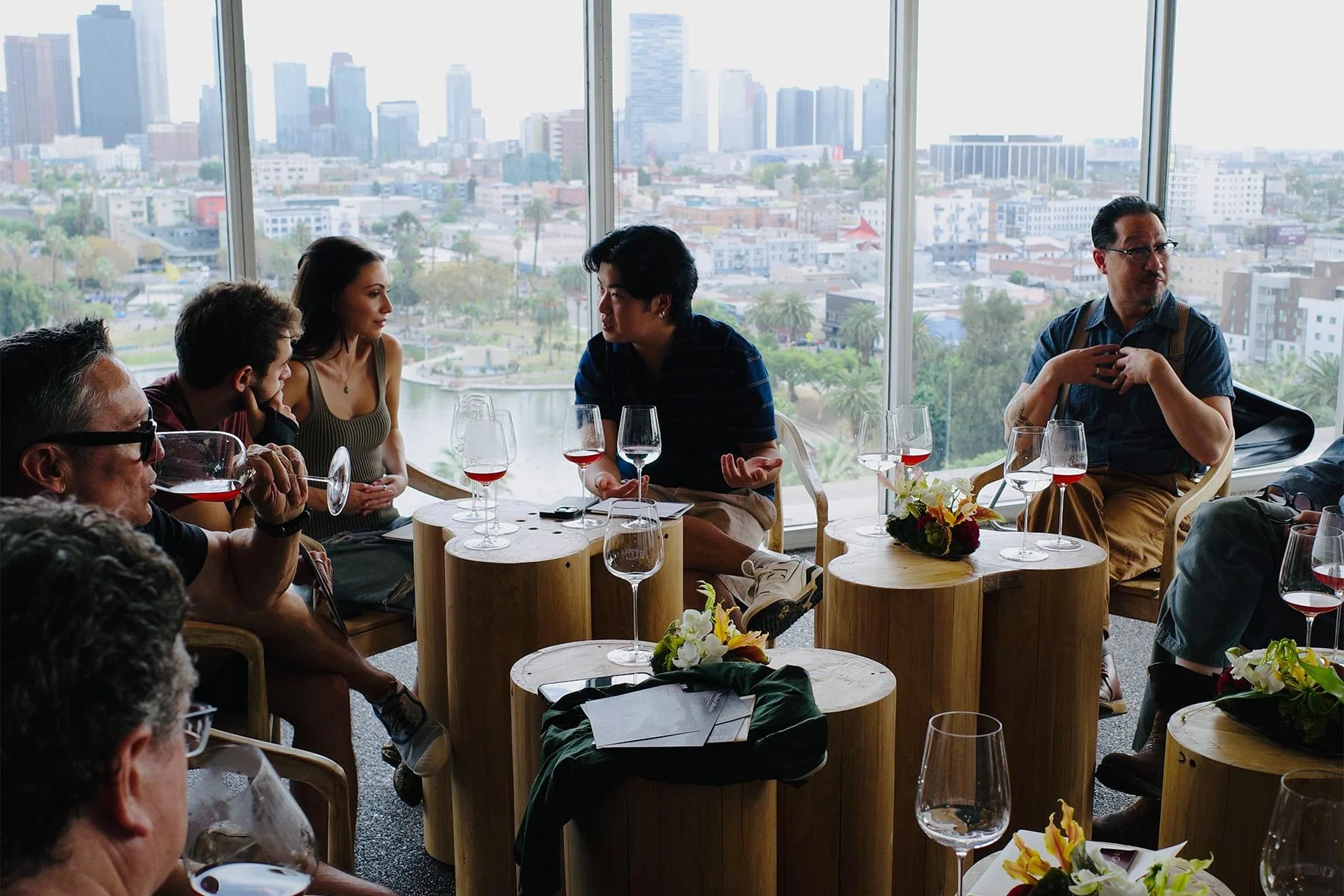
A $200 coffee in Bushwick makes a pointed case for treating the drink like a fine wine. It also raises a harder question: when specialty coffee becomes a luxury experience, who gets to take part?
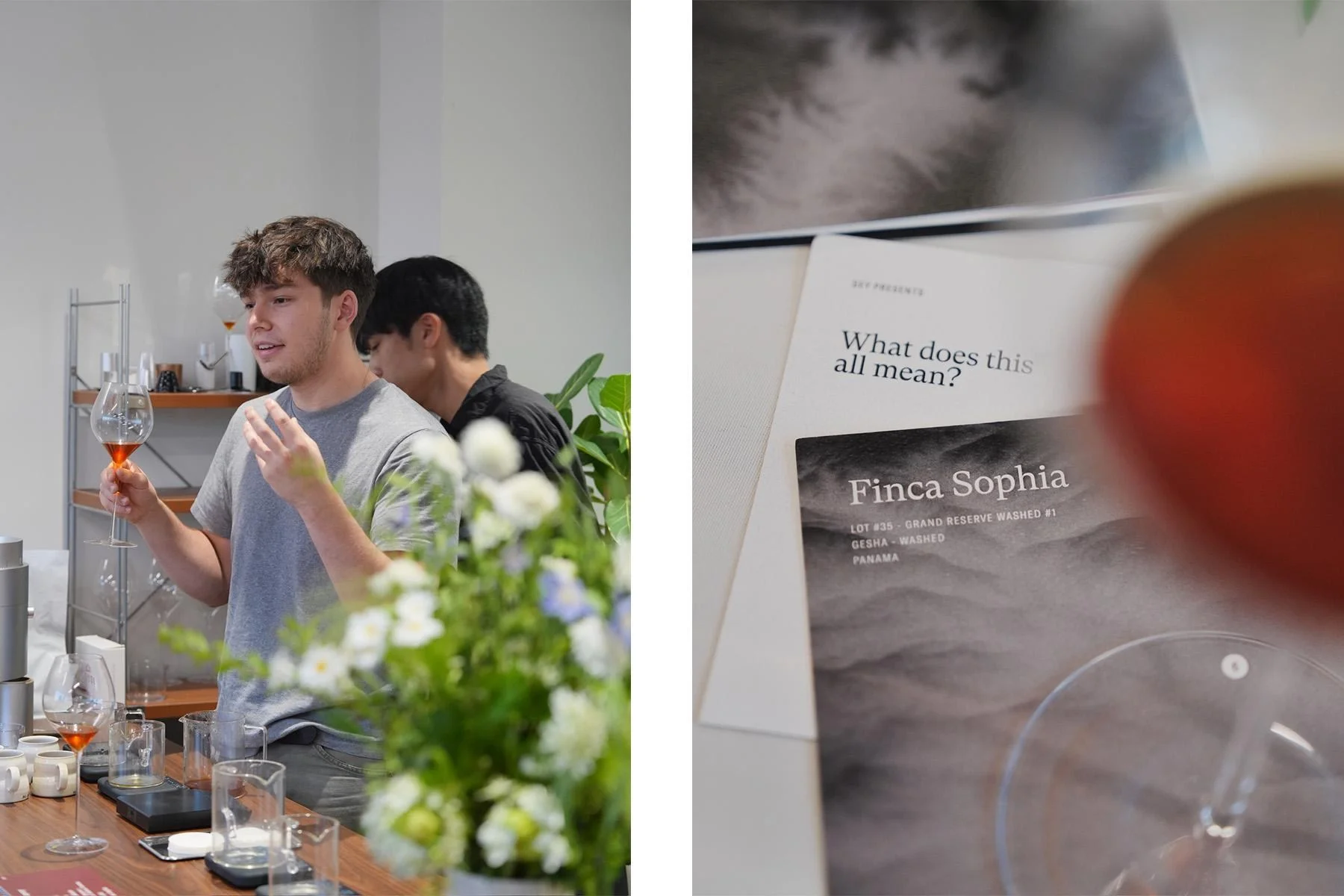
Sey Coffee is serving a rare Panamanian geisha from Finca Sophia, a farm in the Chiriquí highlands. The Brooklyn roaster paid $44,275 at auction for the beans—about $6,325 per kilogram—and is touring the coffee at roughly $200 a cup. The price is striking even by the standards of specialty cafés, where higher-end offerings have become more common.
Sey describes the coffee as aromatic, floral, and juicy. Doug Cohen, the company’s director of brand strategy, recommends drinking it black, with a clean palate, and giving it time to cool. “As the coffee cools, different aspects of its character become apparent, and that evolution is part of the experience,” he says.
A purchase shaped by a difficult harvest
The decision grew out of a long relationship between Sey and Finca Sophia. Cohen says the farm’s general manager told him its yields were down by approximately 95 percent. That changed the question from whether a rare coffee could command a high price to what a good buyer should do when a producer faces a difficult year.
Sey’s purchase, Cohen says, was a way to support a supplier it had worked with for several years while creating what he calls “elevated coffee experiences.” He argues that the price isn’t an attempt to raise prices for its own sake. It’s a challenge to the assumptions that keep coffee’s perceived value low.
“Coffee as a premium product is relatively new,” Cohen says. For years, coffee was treated as a commodity, he argues, which limited what consumers expected to pay. Before and after the pandemic, more people began learning about coffee through YouTube, Discord, and online forums, and asking how far quality could go.
Bushwick’s changing coffee culture
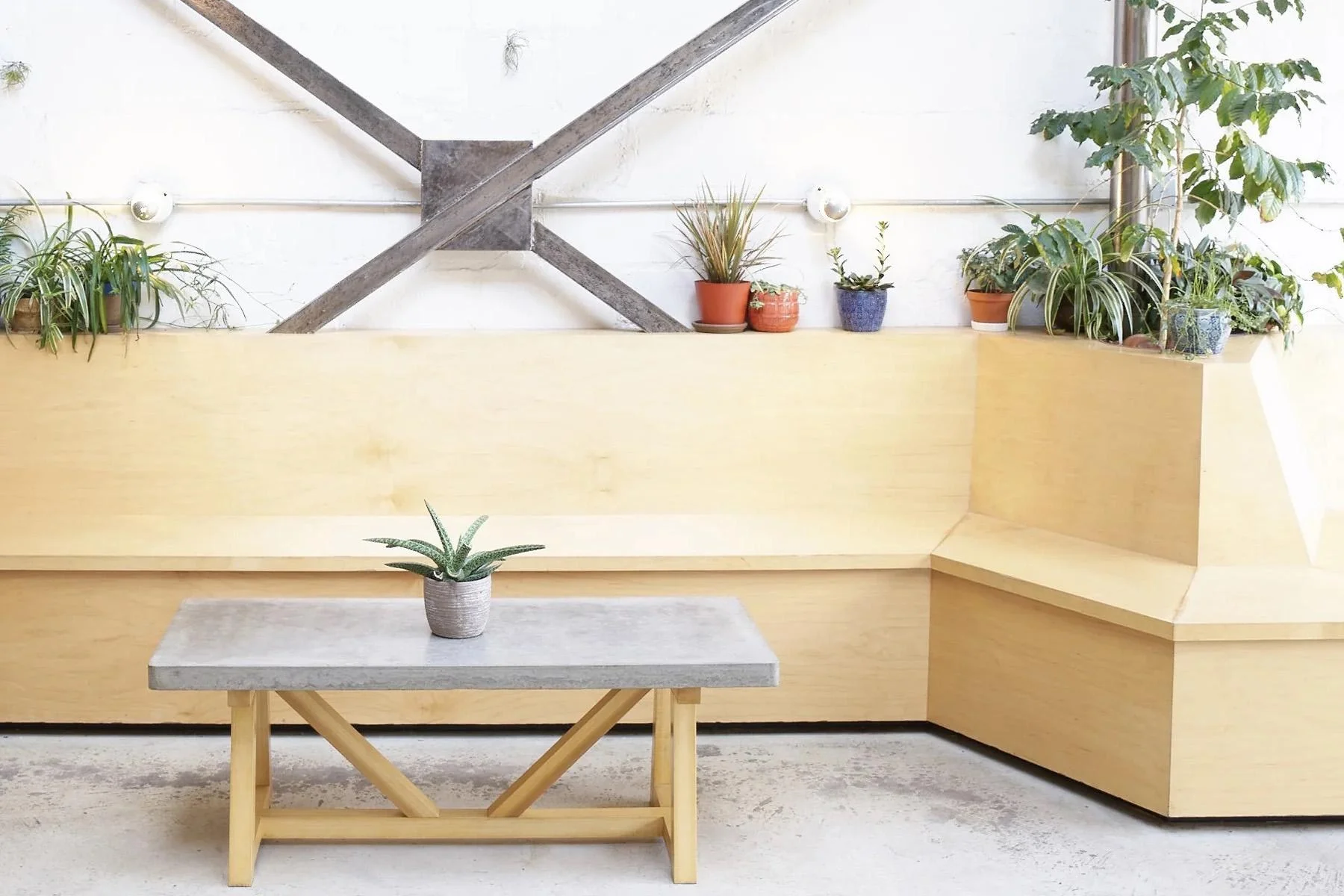
Sey has been part of Brooklyn’s specialty coffee scene since the artisanal café boom of the 2010s. The business began as Lofted Coffee, operating from its founders’ Bushwick loft, then took the Sey name in 2017 and moved to its current Grattan Street location. The minimalist industrial space has since become a destination for coffee drinkers, artists, and neighborhood regulars.
The café’s premium pitch also includes its approach to working conditions. Sey opted out of tipping and says it pays staff up to more than 80 percent above New York City’s hourly minimum wage. Full-time baristas can earn up to $31 an hour, with benefits and a share of café revenue. Food & Wine named it the best coffee shop in New York.
Bushwick is a revealing setting for a $200 cup. The neighborhood is known for its graffiti, queer bars, family-owned taquerias, and a mix of longtime residents and newcomers. That mix gives the coffee a cultural context beyond its auction price: specialty food and drink are gaining status in a place often discussed through both culinary change and gentrification.
From a quick cup to a tasting
Sey’s offer fits a broader move to turn coffee into a sit-down tasting. New York’s Driftaway Coffee has an omakase-style menu, while San Francisco’s Komakase runs a dedicated coffee tasting room. Both put attention on the drink’s character and the act of tasting, rather than convenience.
Watch House, the London-based specialty roaster, offers another sign of the shift. It expanded to a fourth New York City location this summer with a $32 cup on the menu, and has reportedly explored locations in Austin, Chicago, and Miami. A $200 pour remains an outlier, but it sits at the far end of a market that’s testing what coffee drinkers will pay for rare beans and guided experiences.
There’s a luxury dimension to this growth, alongside the craft. Perhaps Bushwick’s former warehouse-party crowd has grown up and now seeks more exclusive experiences. Cohen’s question—why can some wines cost thousands of dollars while coffee’s value remains contested?—gets at a real shift in how the industry presents the drink.
Yet higher prices also narrow access. Coffee’s appeal has long rested partly on its role as an everyday drink and a workday ritual. As cafés adopt the language and format of wine and spirits tastings, the category moves toward slower, more attentive consumption, but also risks making exceptional coffee feel reserved for people who can afford an exceptional bill.
Sey’s $200 cup makes the value debate tangible. The next measure of specialty coffee’s success may be whether its growing appreciation can reach beyond rare lots and luxury menus to a broader range of drinkers.