Martha Stewart’s former employees Richard and Robert Dupont are drawing on decades-old memories to defend her after a Halloween costume post drew criticism for making light of homelessness. Their account of Stewart’s past generosity sits alongside her own admission that the costume was insensitive, leaving two questions in view: what she intended and how the image landed with viewers.
The Duponts recall sharing catering leftovers
Richard Dupont, who worked with Stewart at her first catering company in the 1970s, told Page Six that she regularly brought leftover food to unhoused people after events around New York City. He said the practice shaped how the staff handled the surplus, too: “We all followed her lead.” His recollection describes an action embedded in the routine of the business, rather than a one-off gesture, though the account is based on his memory of work from decades ago.

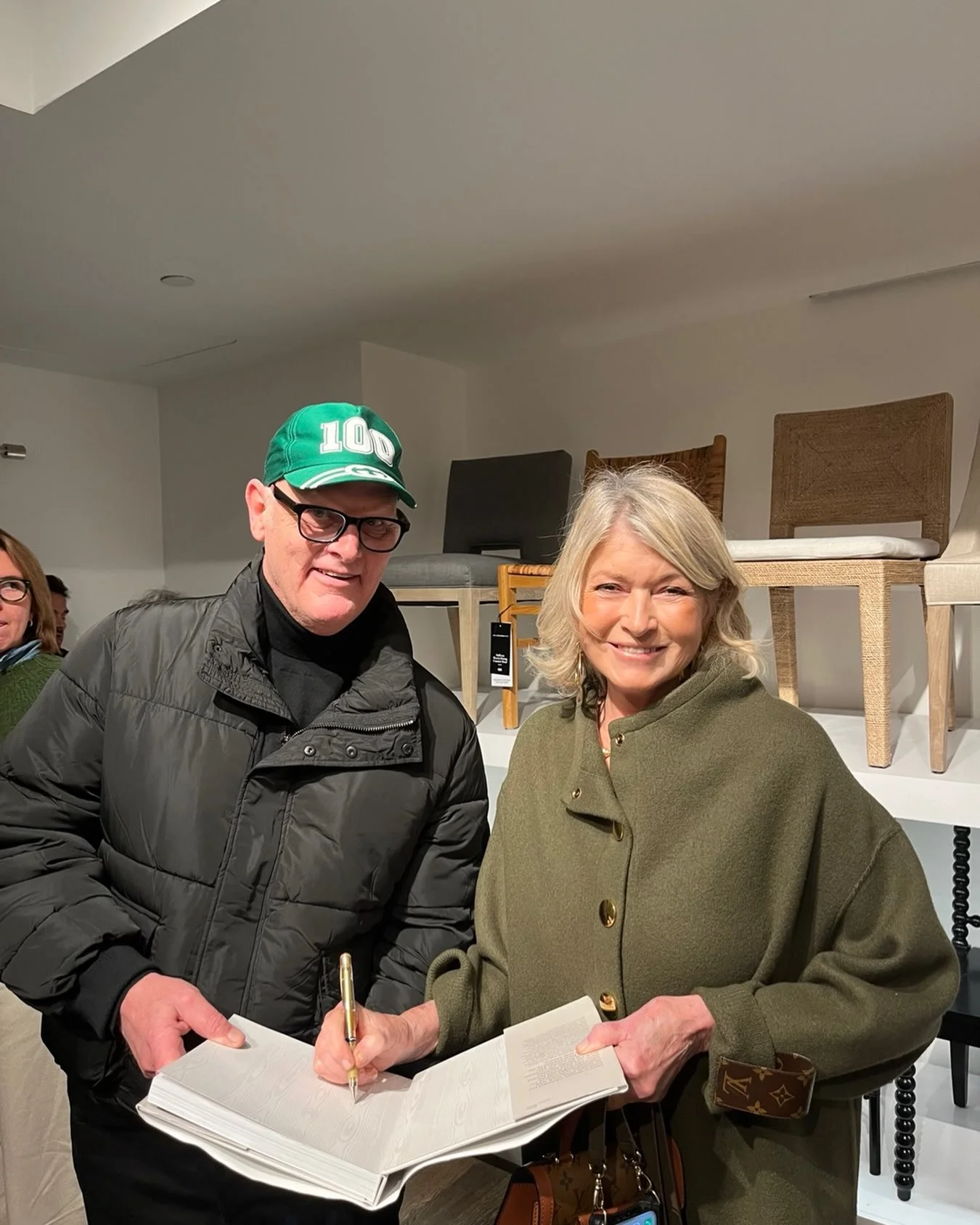
Richard described Stewart as “a wonderful person” who had treated him well. He said he felt a duty to speak up because, in his recollection, she cared about unhoused people and made sure they received food from the catering work. That personal history helps explain why he chose to defend her, but it speaks to his experience with Stewart, not to how people affected by the post might view it.
His brother Robert made a similar case in an Instagram post, writing that he had seen Stewart show “deep empathy for the unhoused community in New York City” over many years. After each catering event, Robert said, she insisted that the brothers pack up the remaining high-quality food. The detail matters because it presents the donation as part of the workday’s aftermath: food that might otherwise have been left over was prepared for delivery.
The twins said they often delivered those meals to the Bowery in lower Manhattan. Richard acknowledged the costume could be shocking, but maintained that “Martha meant no harm.” Their defense rests on a distinction between character and a specific choice. That distinction may be persuasive to people who knew Stewart personally; it doesn’t erase the image’s effect on viewers who saw homelessness turned into a costume.


Stewart deleted the post and apologized
The backlash followed a photo Stewart shared and then removed. In it, she wore a black beanie and tattered clothes and held a sign reading, “I AM HUNGRY HELP ME!!” The post also promoted her “perfect for Halloween” QVC candles, a pairing that intensified criticism of the image. The commercial reference changed the context: what might have been presented as an attempt at awareness appeared alongside a product pitch.
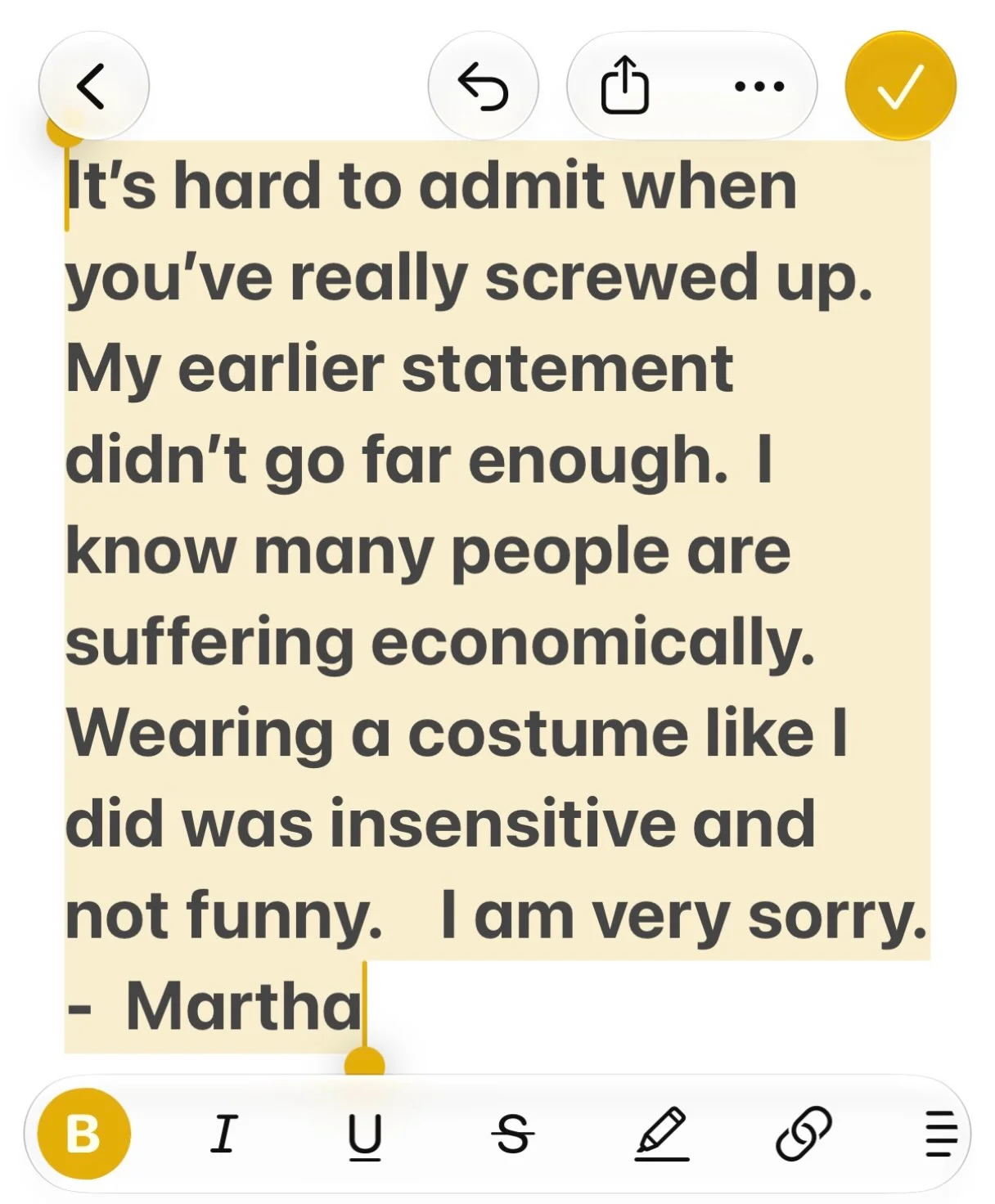
Stewart first said the costume was intended to raise awareness about homelessness. Hours later, she acknowledged that her initial response fell short and apologized. “Wearing a costume like I did was insensitive and not funny. I am very sorry,” she wrote, adding that many people are struggling economically. The apology addressed the harm in the choice itself, rather than asking the audience to judge it only by her stated intention.
Good intentions and public impact
The Duponts’ recollections offer context for their defense, while Stewart’s apology recognizes the offense caused by the image. Both can be true: a person may have shown care in one setting and still make a public choice that trivializes hardship. This is more significant than it looks because the dispute is not resolved by establishing what Stewart intended; the image and its product tie-in shaped how the post was received.
If you're working in this space, the episode is a reminder that appeals to awareness can misfire when they turn a person’s circumstances into visual shorthand. The problem here is especially plain: the costume relied on recognizable signs of poverty, while the accompanying copy promoted candles. The former employees’ testimony adds a useful account of Stewart’s past, and her apology acknowledges the limits of her original explanation. Neither changes the initial post.
And yet, the two accounts remain part of the story. The brothers describe repeated food donations from Stewart’s catering work; Stewart later conceded that this particular attempt at humor was insensitive. The distinction is not a neat verdict on her character. It is a record of past conduct alongside a public misjudgment—and of why personal testimony can explain a response without settling the criticism.