What a dementia diagnosis could mean for Thomas Markle Sr.
The central legal question is narrower than the headline suggests: a dementia diagnosis could affect whether Thomas Markle Sr. can understand criminal proceedings or help his lawyers, but it wouldn’t automatically stop investigators from pursuing allegations that he possessed child pornography. Experts told Page Six that those are distinct questions, and the diagnosis alone settles neither.
Markle, 82, is Meghan Markle’s estranged father. He has reportedly moved into a dementia care home amid an investigation into allegations that he possessed child pornography. The allegations were reported after his son, Thomas Markle Jr., accused him of having an extensive collection. Markle has not been convicted of a crime.


Former FBI agent Jason Pack says probable cause can support an arrest regardless of a dementia diagnosis. The condition might matter later, in court, where the questions include whether a defendant can follow the case and assist in a defense, as well as whether he was legally responsible when the alleged conduct took place. “A diagnosis alone answers neither,” Pack says, arguing that evidence and legal process—not public opinion—should determine the outcome.
Capacity and the alleged conduct
Neurologist Dr. Jeremy M. Liff says a neurological disorder could complicate efforts to establish whether Markle was capable of making decisions at the time of the alleged offenses. He compares that possibility to an insanity plea, while stressing that dementia can involve an actual neurological impairment affecting decision-making.
That doesn’t make the allegations disappear. Liff says dementia, particularly when frontal-lobe degeneration affects inhibition, can change behavior. He cites shoplifting and suspicion of others as examples. But he cautions against assuming the condition explains a specific alleged crime: evidence that someone could carry out the steps involved in obtaining or distributing illegal images could weigh against a dementia-based argument. How that applies would depend on the evidence in the individual case.
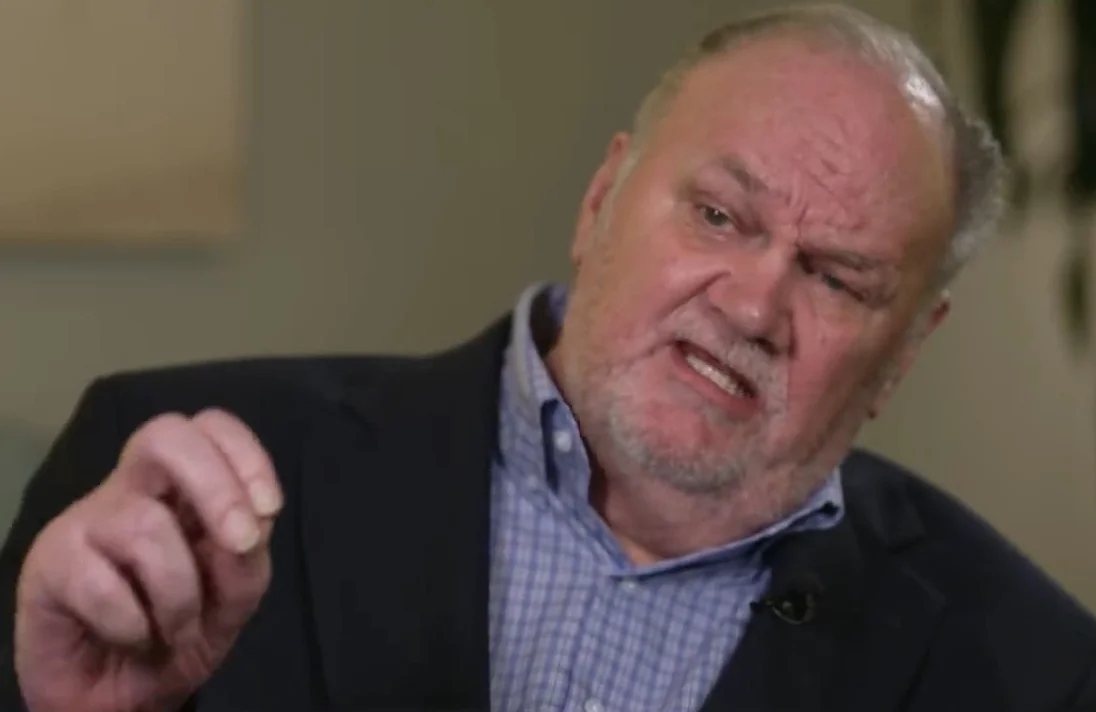
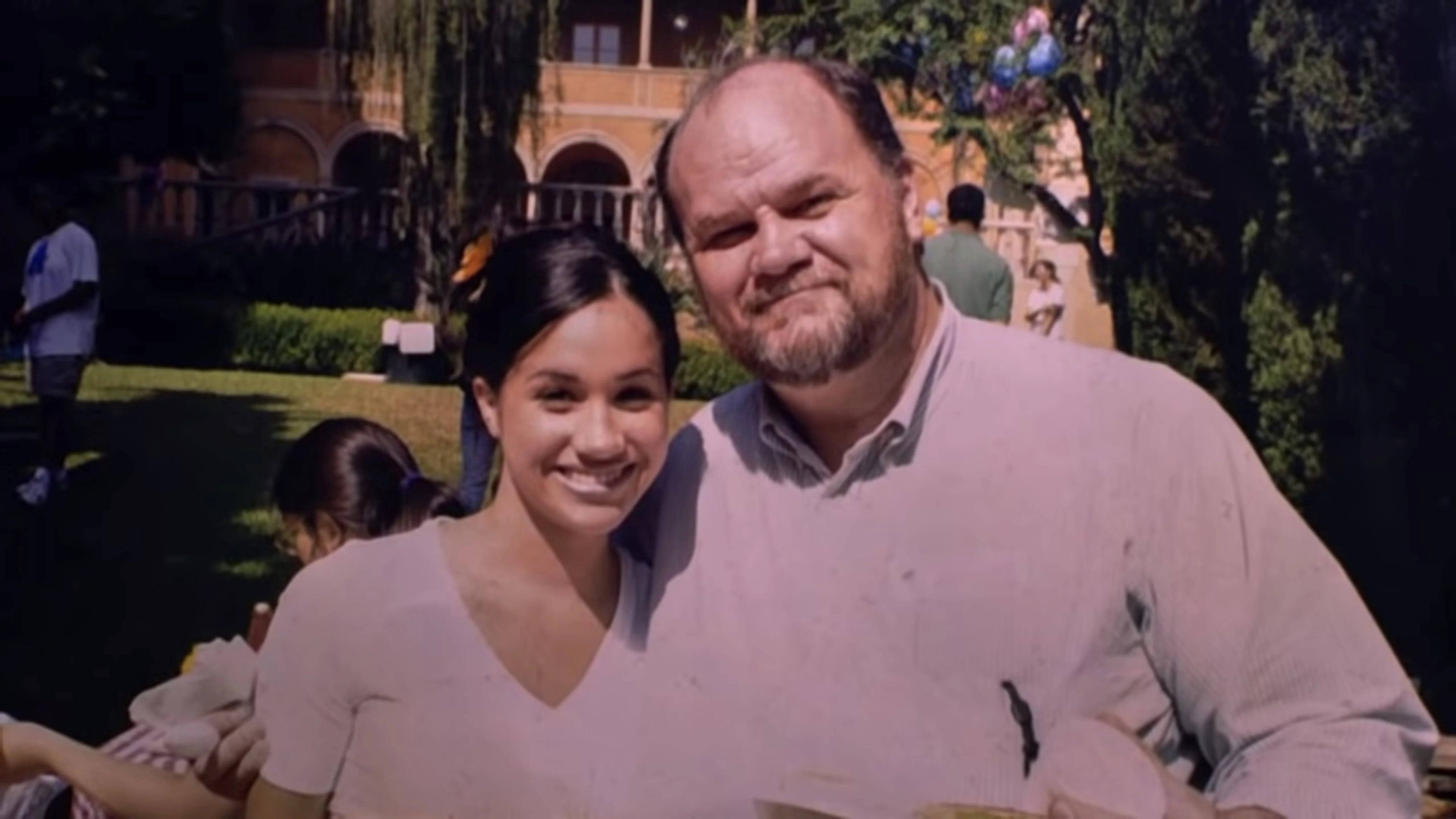


Forensic psychiatrist and expert witness Dr. Carole Lieberman says that if Markle is charged, his lawyers would likely call on several medical experts to evaluate his mental and neurological condition. That assessment could become central to how a court handles his ability to participate in the case.
Competency could shape what happens next
A dementia diagnosis wouldn’t automatically end a case. If an evaluation found Thomas Markle unable to stand trial, the first step could be an attempt to restore his competency. Dr. Carole Lieberman says that assessment might include five years of medical records, psychological testing, a psychiatric examination and neurological tests. She also cautions that “most dementia cases cannot be reversed.”
If Markle couldn’t be restored, prosecutors might see the charges dismissed or he could be placed in an appropriate inpatient setting, Lieberman says. The outcome would depend on the case; incompetence to stand trial doesn’t, by itself, rule out legal consequences.
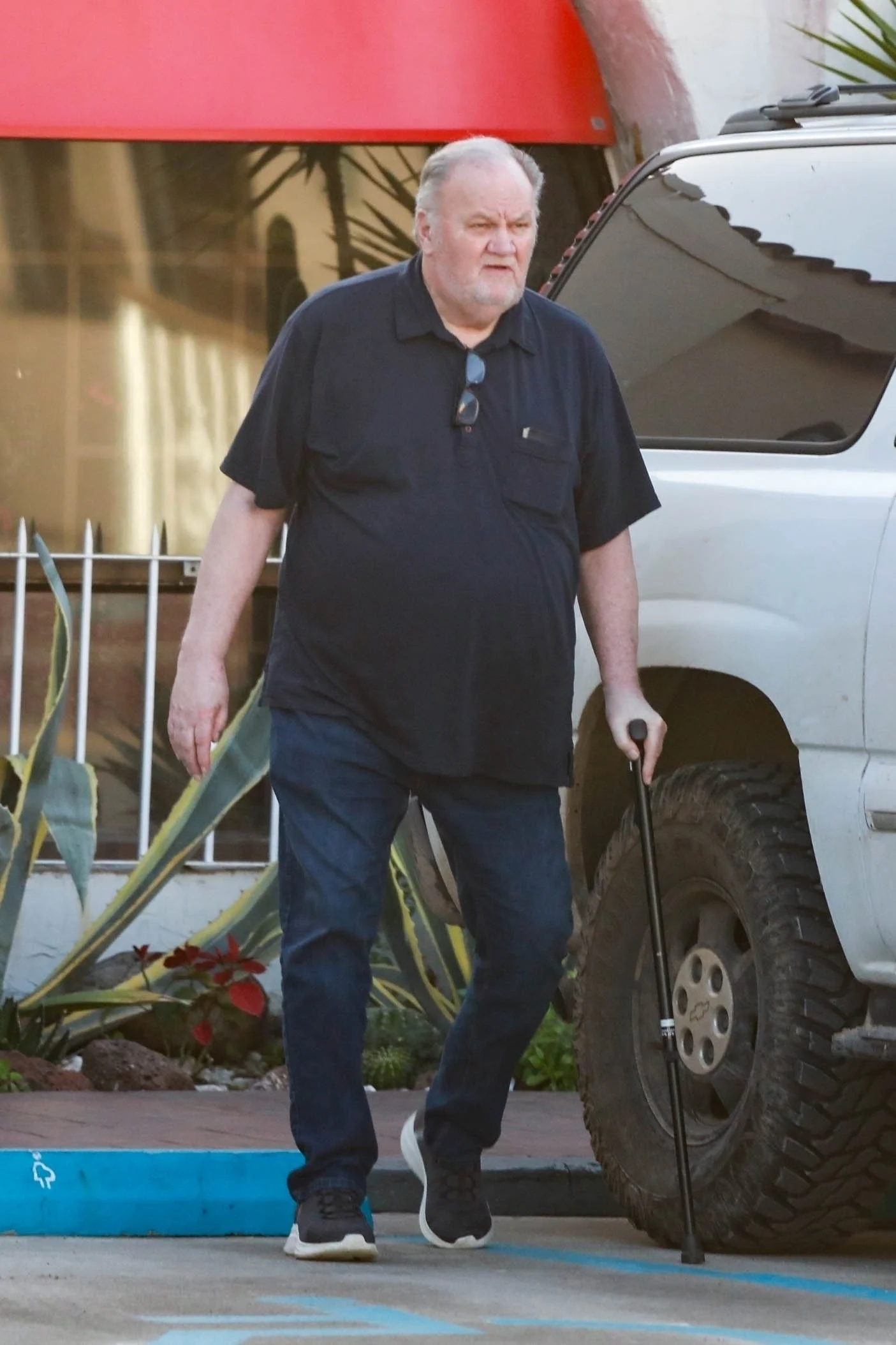

The allegations remain under investigation
The legal question comes amid a Philippine investigation into allegations that Markle possessed child sexual abuse material. Thomas Markle Jr. reportedly alerted authorities after allegedly finding hundreds, possibly thousands, of such images among belongings at his father’s former home in Cebu. The Philippine investigation is ongoing, and the FBI says it is aware of the allegations and will support Philippine authorities as appropriate.
Markle Sr. has denied the accusations, calling them “sick lies” and telling the Daily Mail he had never downloaded the material. Meghan Markle has said she is “deeply distressed” and that keeping her children away from their grandfather was a decision made to protect them.
No criminal charges against Markle Sr. over these allegations have been announced. That distinction matters: the investigation and the competency question are both unresolved, and neither establishes the allegations as fact.