A marathon ended two miles short
Rachel Apa’s first New York City Marathon ended near Mile 24, about two miles from the finish. The 24-year-old former Bucknell University field hockey player collapsed in Central Park on Sunday, November 1, and died that night after more than six hours of treatment at Mount Sinai Hospital. The sudden end to a race she’d prepared for over months has left her family facing a loss that unfolded in public, with loved ones following her progress from a distance.
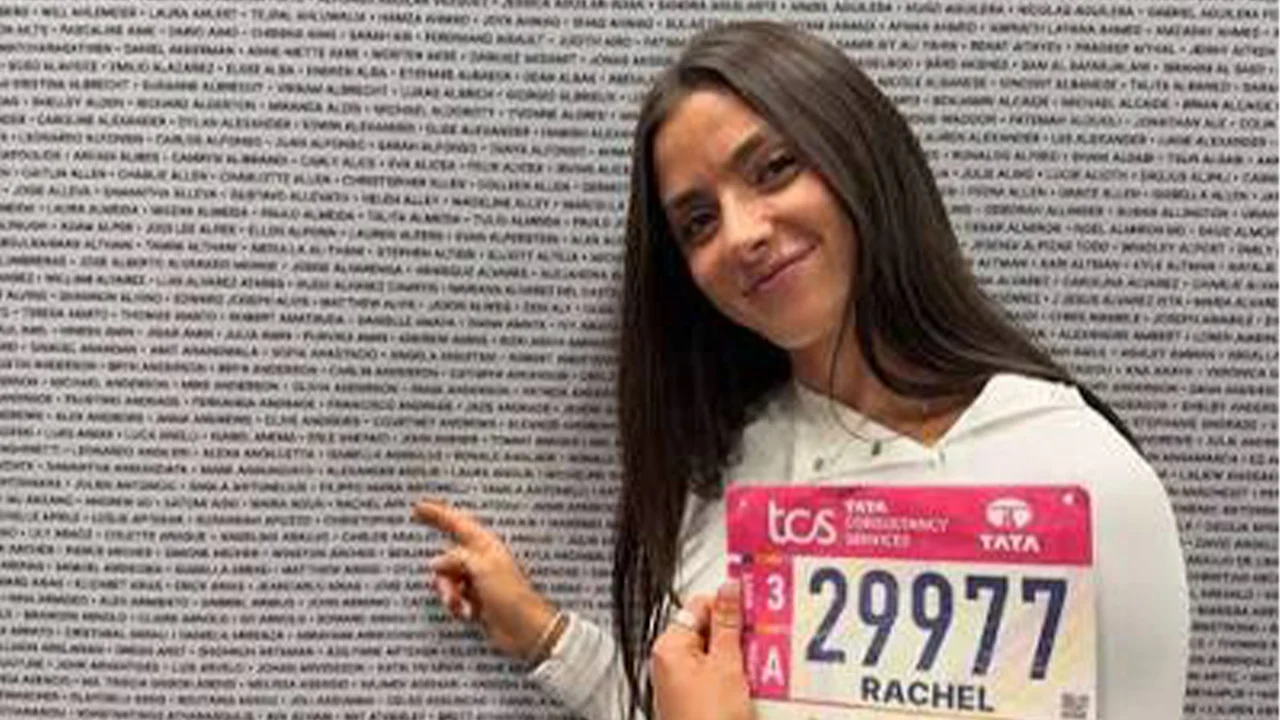
Apa was running with the Parkinson’s Champions team to honor her grandfather, who died of Parkinson’s disease in 2022. The team raises funds for the Parkinson’s Foundation, which supports research and programs for people living with the disease. For Apa, the cause was tied to a personal example: her grandfather had shaped how she thought about sport, effort, and taking on challenges.
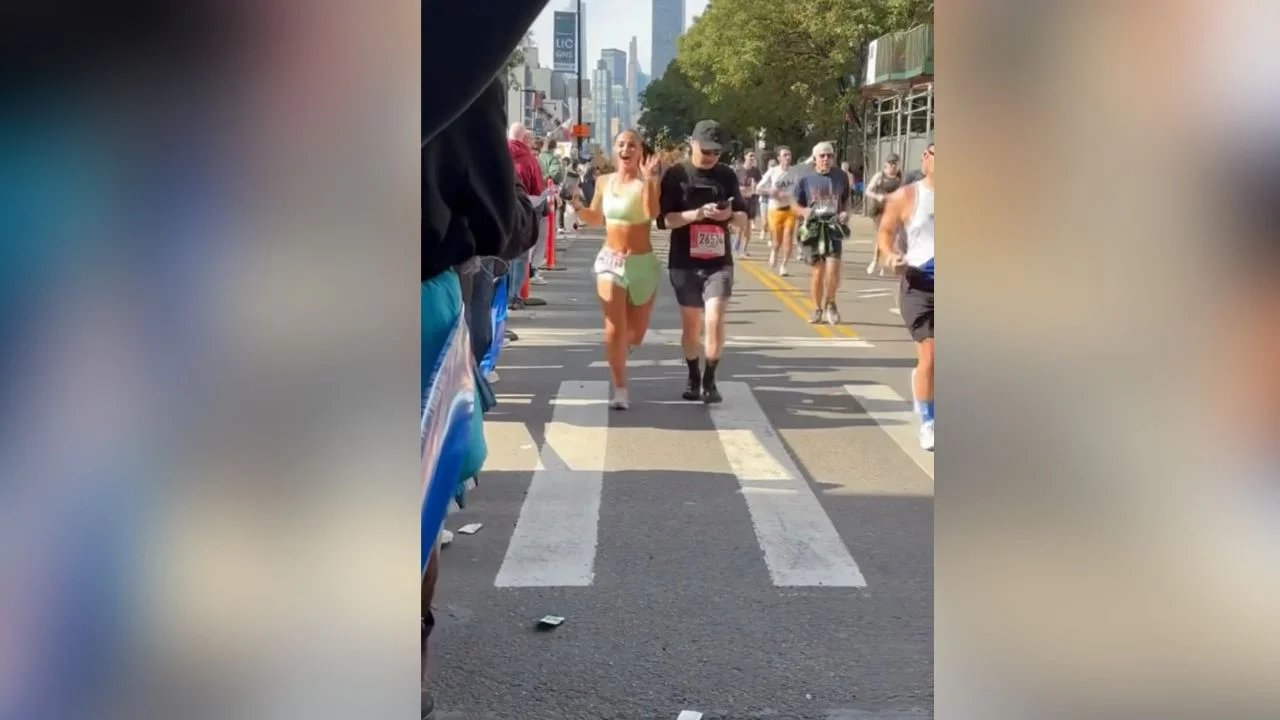
“My grandfather was my role model growing up. He taught me to stay active, push my limits, and embrace challenges, shaping my love for sports and movement,” Apa wrote on her fundraising page. That message gives the race a meaning beyond its distance: she was taking part in a public event to honor someone whose influence was private and lasting.
A race tracked by family from miles away
Apa, who was from Pennsylvania, had trained for months to cover the 26.2-mile course, her father, Steve Apa, said. He followed her progress from Lewisberry through the marathon app, while her mother, Michelle, watched from New York. Tracking tools can make a race feel close even when family members are separated across the course; they offer updates, but they can’t explain what a runner is experiencing. “Perfect health, perfect shape,” Steve said. “It’s unfathomable.”
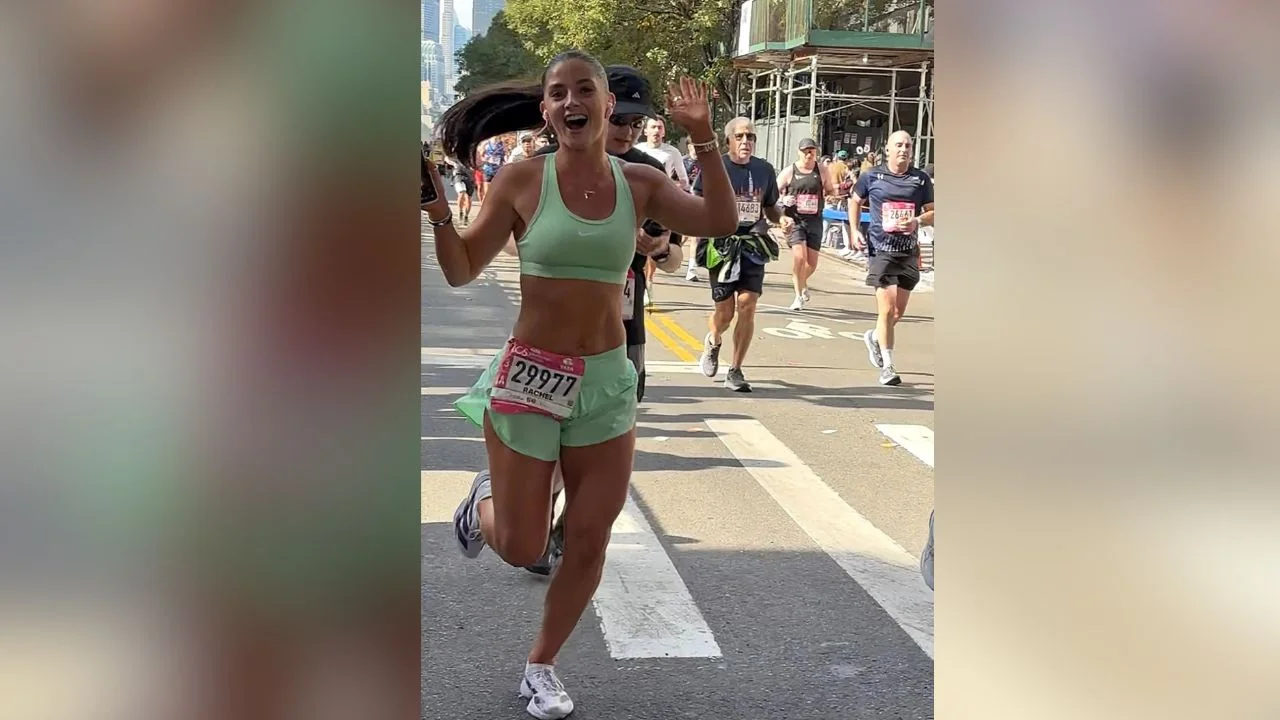
Michelle recorded a brief video of her daughter smiling at Mile 14. Four miles later, Rachel texted her father, “Ow.” At Mile 19, she sent another message: “Ow, Ow.” Those short texts are the only reported account of what she communicated as the race grew harder. Steve later texted, “Final stretch,” at Mile 23, but Rachel didn’t reply.
Her parents watched her location remain near Mile 24 for several minutes. Michelle went to the area and saw an ambulance leaving. A map can show that someone has stopped; it can’t tell a family why, or what help is arriving. That gap between a live location and the reality on the ground is stark in this account.
Rescue efforts in Central Park
A spectator saw Apa collapse around 1:30 p.m., near the point where runners enter Central Park for the final stretch. Michaela Nicholas, a hospital social worker who was watching the race, said she couldn’t find a pulse. Three people, including Apa’s fiancée, took turns performing CPR until marathon medical staff arrived with a defibrillator, The New York Times reported. The account describes a rapid response involving bystanders and event staff, though it doesn’t establish what caused the collapse or whether any earlier warning signs were visible.
Doctors treated Apa at Mount Sinai for more than six hours. Her father said she was pronounced dead at about 9:40 p.m. He attributed her death to rhabdomyolysis, a condition in which damaged muscle tissue breaks down and releases substances into the bloodstream. The medical examiner’s office has not released its findings, so the official cause and manner of death remain pending.
That distinction matters. A family’s understanding of what happened can be shaped by what doctors told them and by the urgency of the hours after a collapse; the medical examiner’s findings provide a separate official determination. Until those findings are released, rhabdomyolysis remains the explanation attributed to Steve Apa, rather than a confirmed cause of death.
Race organizers acknowledge her death
New York Road Runners, the nonprofit that organizes the marathon, confirmed that a runner died after a medical incident during the event. “We are deeply saddened by the death of one of our runners following yesterday’s race,” it said. “Our thoughts and sincere sympathies are with the runner’s family, friends, and the entire running community.” The statement expresses sympathy but offers no further detail about the incident or the medical response.

The New York City Marathon draws tens of thousands of runners each year and begins on Staten Island. Organizers said the last runner death following a medical incident at the race occurred in 2024. That context describes how rarely such a death has been reported at this event, but it can’t explain what happened to Apa or establish the cause. A large race requires medical planning across a long route, and a serious emergency can still demand immediate action from people nearby before professional responders arrive.
What the loss leaves unanswered
Rhabdomyolysis can follow intense exertion, particularly in hot weather or with dehydration; severe cases can damage the kidneys. The information available here doesn’t establish whether either factor applied to Apa, or how the condition, if involved, developed. In endurance events, physical strain is part of the challenge, but symptoms and circumstances vary from runner to runner. The details of this case should await the medical examiner’s findings.
This is more significant than it looks: a family followed a runner’s progress through ordinary messages and a tracking app, then watched that progress stop near the finish. Those tools connected them to the event, but they couldn’t make the emergency legible from afar. If you’re working in this space, the story is a reminder that race-day safety includes both the formal medical response and the people close enough to notice a collapse and act. And yet, even a fast response can’t guarantee an outcome.
One hard fact remains: the finish line was close, but Apa didn’t reach it. Her run began as a tribute to her grandfather and a way to support people living with Parkinson’s disease. For her family, the marathon now carries the memory of that purpose alongside the shock of her death. The official account is still pending.