For independent coffee shops, a bottle of flavored syrup has become more than an ingredient: some customers read it as a statement about how much care went into their drink. That perception is creating pressure to make syrups in-house, even at cafes that once planned to focus on black coffee and careful brewing. The shift gives small businesses a way to distinguish themselves, but it also adds substantial work behind the counter.

A TikTok video with more than 82,000 likes captures the new sensitivity. Its creator scans shelves of Torani bottles at a Pennsylvania cafe, then declares, “I just know my latte isn’t going to be good.” The caption struck a chord with viewers. One post on X says, “If I see these at a cafe, I’m walking out immediately,” and drew agreement in the replies from other users. A creator has even chronicled swapping Torani for syrups made by small businesses. Last year, food newsletter Unsnackable joined the conversation with a piece it called a “Torani tirade.”
Torani is a frequent target because it’s so widely available, but the complaint extends to packaged syrups generally. Monin, another common brand, has also faced online criticism from people who say its products taste “like chemicals.” For some customers, a branded bottle behind the counter undermines the promise of a specialty cafe, particularly when a latte costs more than $8 before tip. They see it as a shortcut associated with chains, just when they’re seeking something that feels local and carefully made.
Customer demand rewrites the menu
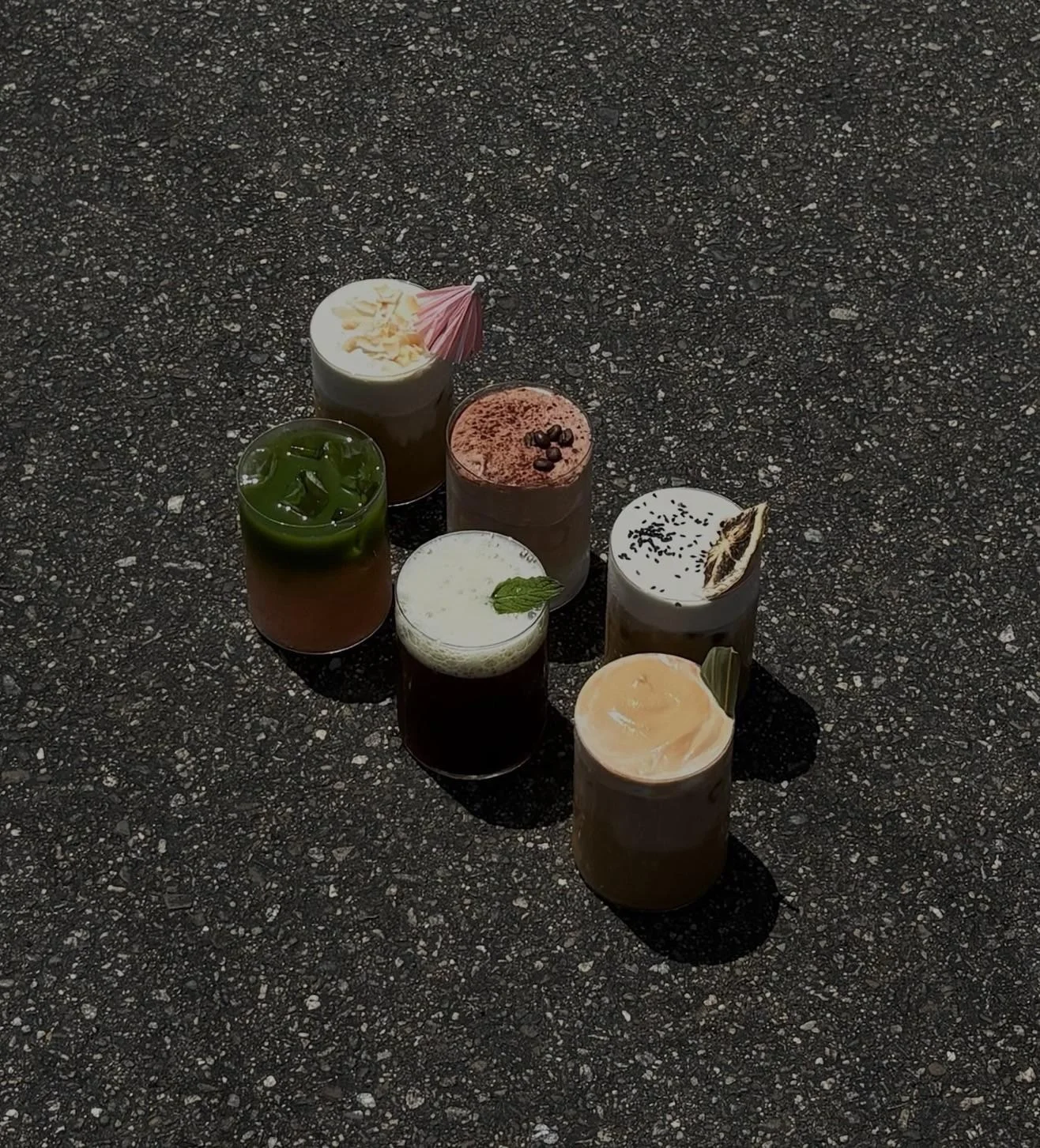
Carrie and Dennis Medina had something more austere in mind when they planned Room Service, their Ventura, California, cafe. Both had worked at Sightglass Coffee, and they envisioned a similar focus on pour-over brewing, single-origin beans and a short list of specialty drinks. “Very purist, with no syrups, no specialty drinks,” Dennis recalls. They expected to offer eight kinds of pour-over. “We said we’re never gonna do cream tops; we’re never gonna do these crazy drinks,” Carrie says. Then customers began asking for those drinks from the shop’s first week.
Room Service now rotates 10 to 12 house-made syrups and serves six varieties of cream top. Its menu includes a cinnamon roll latte crowned with a cinnamon roll and a honey cornbread latte finished with ube cream. Dennis says customers regularly ask whether the syrups are made on site. In his view, cafes that don’t make even basic flavors such as vanilla themselves risk falling behind customer expectations.
Meeting that demand takes dedicated labor. The Medinas hired a full-time prep worker to handle the many ingredients they make in-house. Their pumpkin spice latte starts with kabocha squash, which is roasted, blended with spices including cloves and cinnamon, then cooked into syrup. The process takes two days. Carrie describes the business as “not necessarily the coffee shop we wanted, but it’s more like the coffee shop we have to be.” The couple has carried the attention they give their roasted beans into these elaborate drinks, even though they weren’t the original plan.
Michael Smith arrived at a similar conclusion after opening Trust Coffee Co. in Bay Village, Ohio, in 2025. He took over and renovated an existing cafe, intending to build a pour-over-focused, third-wave shop. But Smith, who also runs a restaurant and catering business, says experience taught him to listen to customers: “your customers tell you more about who you are than who you actually think you are.” At Trust, that meant seasonal syrups, including maple rosemary, caramelized banana and strawberry rhubarb.
The purist is no longer coffee’s north star; the maximalist is.
Flavor becomes a craft of its own
This appetite for layered flavors fits a broader food trend that the New York Times has called “hyperflavor.” Familiar products gain new appeal through combinations that once seemed unexpected: miso in a peanut butter or chocolate chip cookie, for instance. Coffee has followed suit. The care once reserved for tasting notes and black pour-over now goes into sweet drinks built like desserts or cocktails, with multiple textures, flavors and toppings.
Trust gives the menu that treatment with help from two full-time pastry chefs employed by Smith’s other businesses. They oversee the cafe’s syrups, giving him more control than the Monin bottles used by the shop’s previous owners. Smith says a new syrup announced on social media can bring a line to the door for a week. The drinks give customers a reason to visit and give the business a distinct identity.
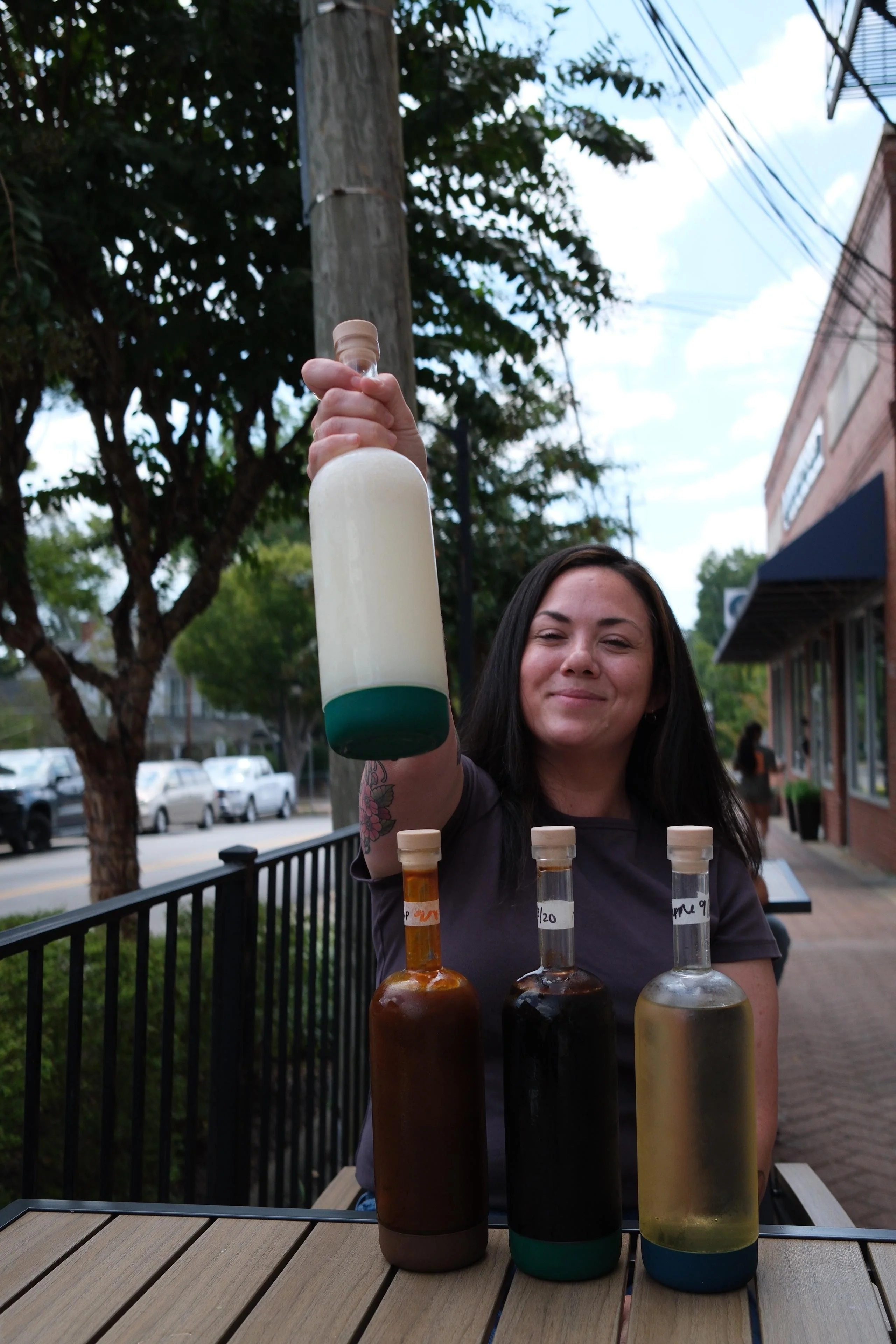
At Bizarre Coffee in Canton, Georgia, Sabrina Kaylor started with bottled syrups when she opened the first location in 2020. She had no previous coffee experience and says packaged products felt like the standard. They gave her team room to learn the business before taking on more production. In the years after COVID, Kaylor noticed more customers making things at home and taking pride in scratch-made food. As the cafe built a following for blueberry, banana and guava lattes, she began replacing bottled options with recipes made on site. Customers now ask regularly how the syrups are sourced.
Bizarre makes house syrups for 90 percent of its drinks, but Kaylor pushes back on the idea that every cafe should make everything from scratch. One of the shop’s best sellers still uses bottled syrup, and producing every flavor in-house would demand more labor than the extensive menu can justify. “I think a lot of [the house-made syrup conversation] is marketing, quite honestly,” she says. She also sees the wave of anti-Torani jokes as consumer behavior that can be discouraging to small operators.
Local identity, chain influence
The syrup debate is also a proxy for how customers view independent businesses and large food companies. Some consumers want to know that a premium drink reflects the work of the local shop they chose, rather than a product they could get from a chain. Skepticism about corporate influence and private equity in food and beverage has added weight to that preference.
Independent cafes are also finding ways to share the work. Minnesota shop Little Joy posts detailed videos showing how to make its signature drinks. It has since built a membership program where other coffee businesses can buy recipes adapted for commercial production and access training videos. Members can sell the drinks without crediting Little Joy; shops that choose to do so can add their locations to a Drink Finder map.
Owner Cody Larson told Eater’s industry newsletter Pre Shift that sharing recipes can help independent cafes compete with chains. “The big coffee chains, they’re never gonna do house-made syrups, so I think that’s where independent shops can get a leg up,” he said. “Ultimately, the chains are our competition… If independent shops can, in any way possible, raise the bar across the board, that’s good for all independent shops, including us.”
The irony is that the elaborate drinks now associated with specialty cafes owe something to the chains they aim to distinguish themselves from. Starbucks and similar businesses helped normalize complex custom orders through app-based ordering and social media “hack” culture that spread modified drink recipes. Specialty cafes are now applying their own ingredients and preparation to that demand, with drinks flavored to evoke desserts such as princess cake and tiramisu.
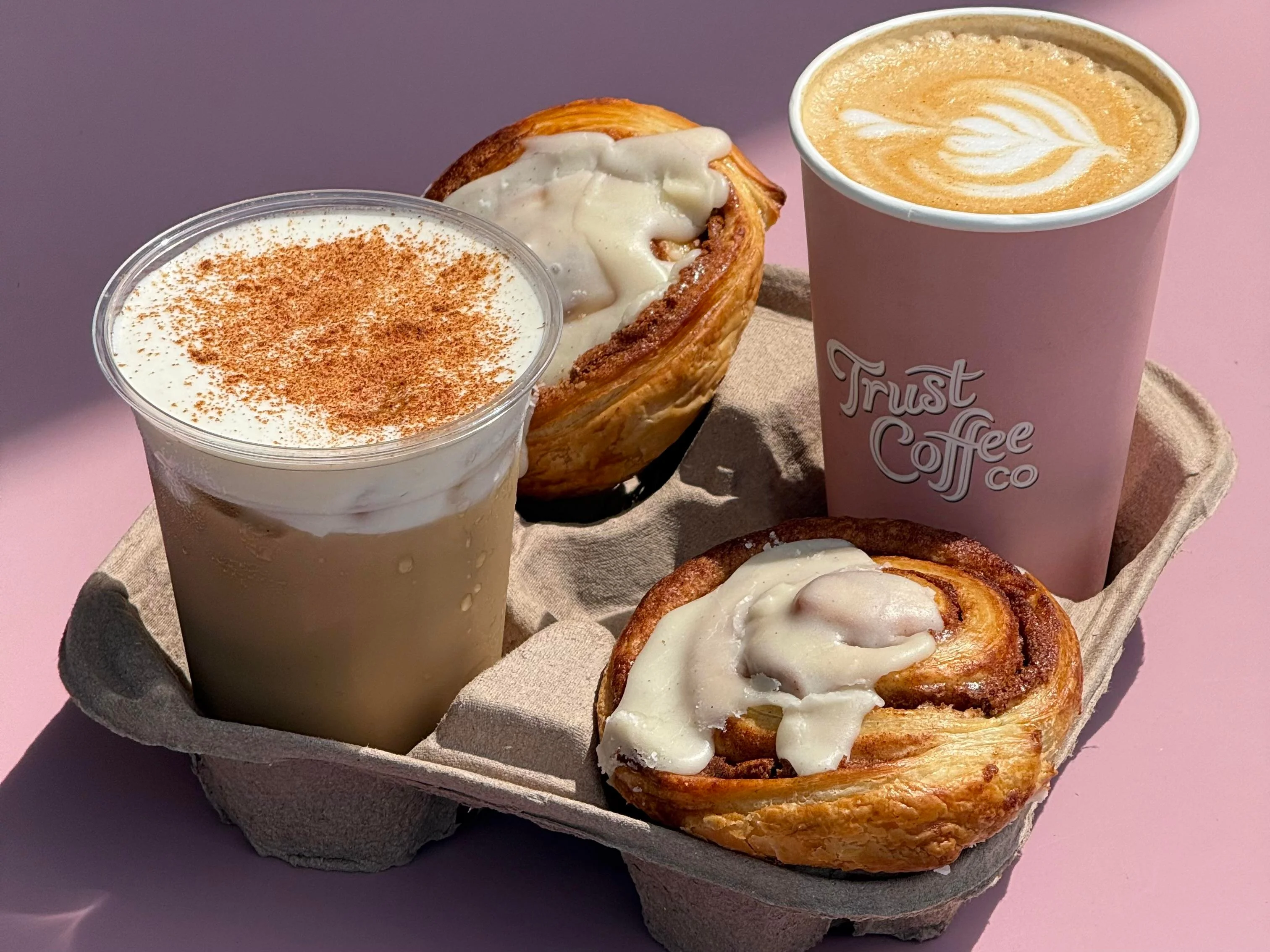
Smith suspects some of these customers once relied on Starbucks and now want a more local version of the customized drinks they know. “It’s a trend across everything where people want local, and we’re able to provide what Starbucks did, but in a more high-quality, more local way,” he says. That reading helps explain why the old divide between serious coffee and sweet specialty drinks has weakened: customers can want careful sourcing and a playful menu at once.
The test for cafes is whether the added work comes through in the cup. At higher prices, customers want signs that each part of a drink was considered, and a distinctive house syrup can provide that evidence. But making everything from scratch isn’t automatically the right answer for every menu or team. The shops best positioned to benefit will be those that choose flavors with purpose and can sustain the preparation behind them.