Why the CFDA red carpet matters
The CFDA Awards offer a useful read on American fashion’s current direction. The ceremony honors designers and other figures shaping the industry, while its red carpet shows how those designers want their work seen. The two parts of the event speak to different audiences: the awards reflect recognition within the industry, and the clothes carry those ideas into public view.
Guests often wear pieces supplied or made for them by the labels they represent. That means a red carpet look can act as a public introduction to a designer’s work, especially when it’s custom-made. This year, the range ran from joyful Coach looks on Elle Fanning and PinkPantheress to Olandria’s custom Brandon Blackwood outfit. The variety is part of the point: the carpet presents fashion as a conversation among established houses, emerging names, and the people who bring their clothes to a wider audience.
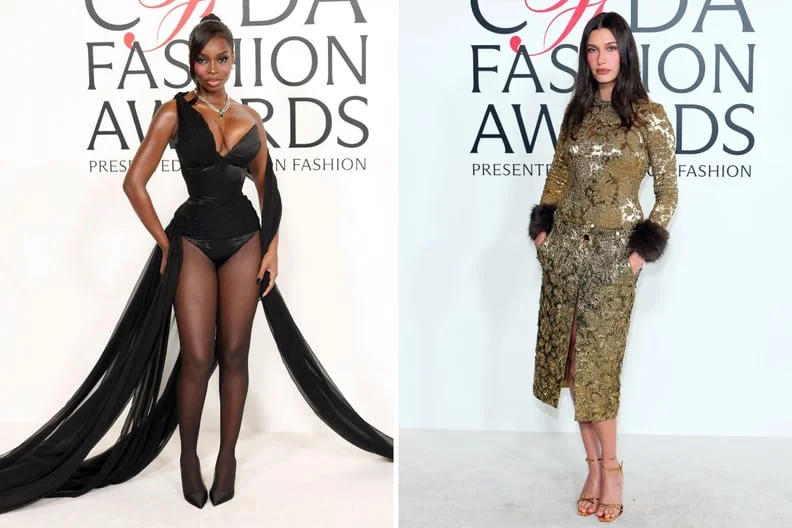
Awards and standout looks
Keke Palmer hosted the 2026 ceremony at the American Museum of Natural History. Rachel Scott of Diotima won American Womenswear Designer of the Year. Anthony Vaccarello received the International Designer of the Year Award, presented by Hailey Bieber, Zoë Kravitz, and Rosé. Gap Inc. took the Innovation Award, and Colleen Allen was named Google Shopping American Emerging Designer of the Year.
The honors span different kinds of influence: a designer’s body of work, a company’s place in the industry, and a newer name gaining recognition. Colleen Allen’s award is especially useful context for the carpet, where Gracie Abrams wore her work. That connection gives the emerging designer’s recognition a visible counterpart. The awards tell you who the industry is recognizing; the clothes show how those names land in public.
Here are some of the evening’s looks, followed by favorites from earlier years. If you're working in fashion, the pairings are worth watching: a label’s presence on a high-profile guest can help define how its work is read beyond the runway.
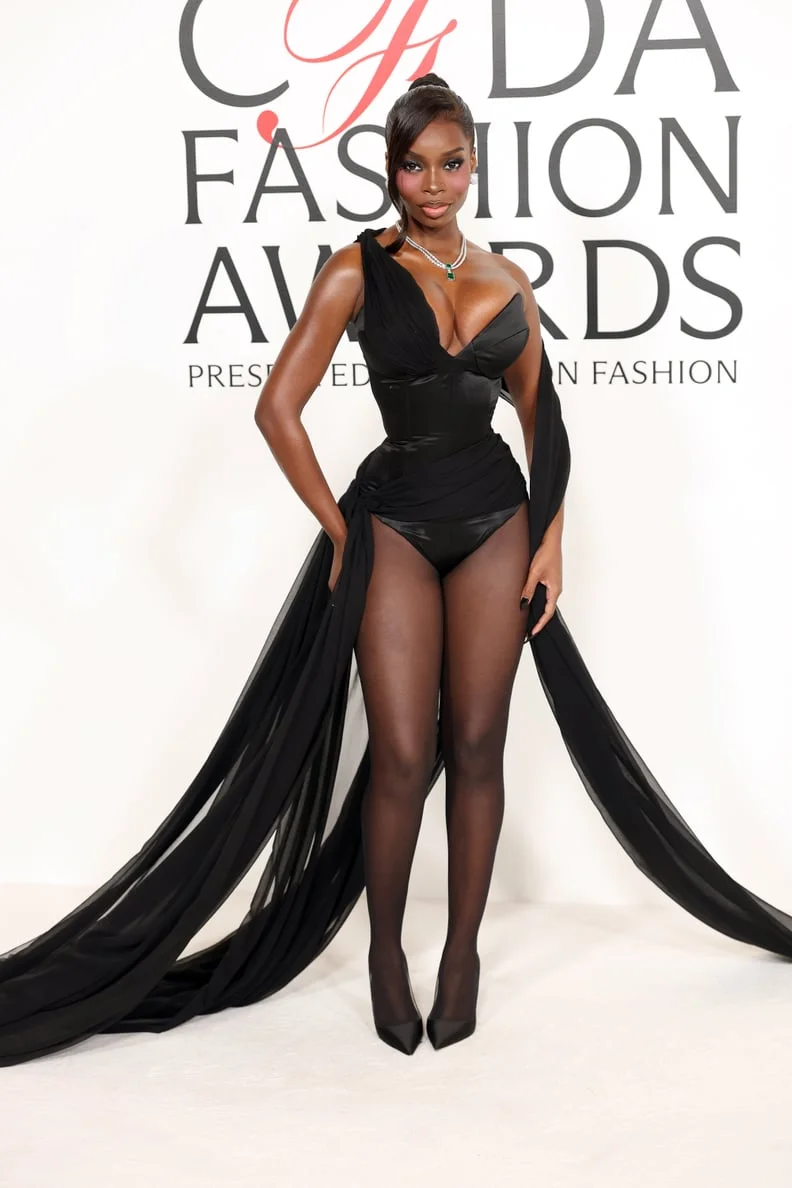
Olandria at the 2026 CFDA Awards
Olandria wore a custom Brandon Blackwood look. Custom work gives a designer room to make a specific statement for one appearance, while the guest brings that statement to an audience beyond the label’s usual customers. This is more significant than it looks: the red carpet can make the relationship between designer and wearer part of the story.
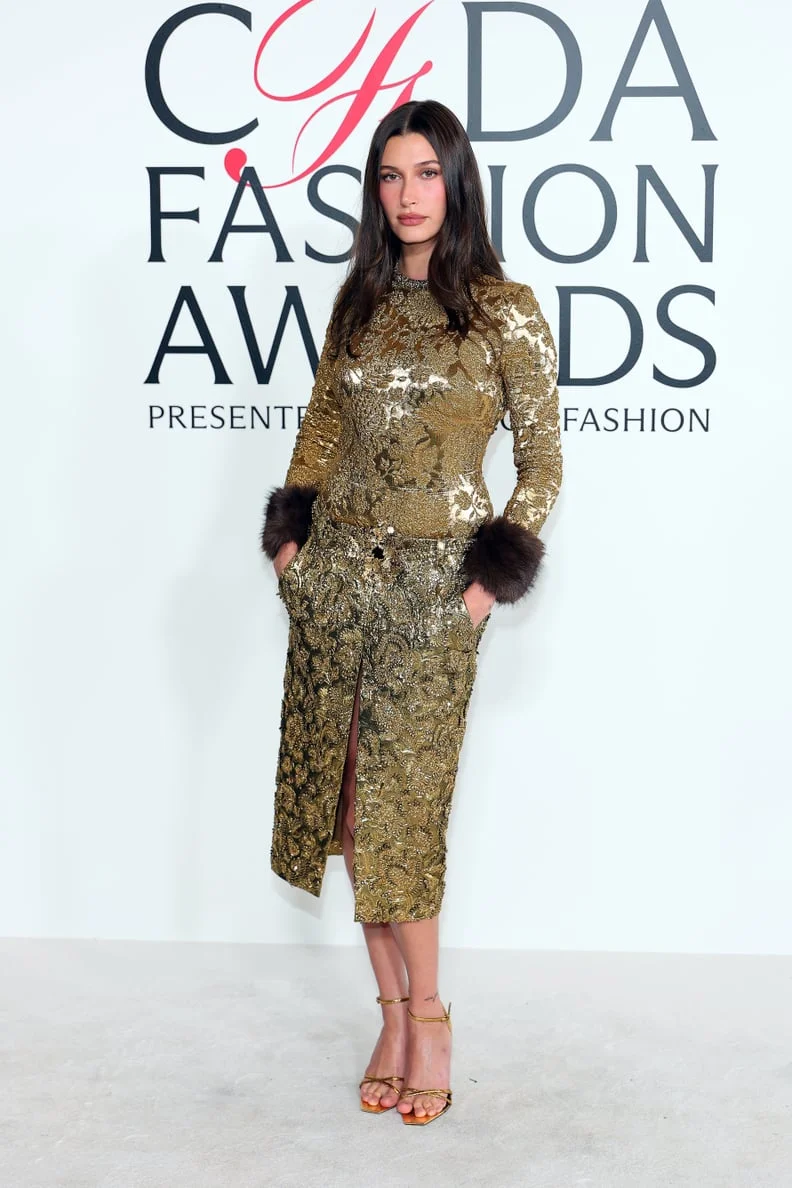
Hailey Bieber at the 2026 CFDA Awards
Bieber wore Saint Laurent. Her role in presenting the International Designer of the Year Award also tied the evening’s ceremony to its wardrobe: the person onstage was associated with a house represented on the carpet. That kind of overlap helps the event move between fashion recognition and celebrity visibility.
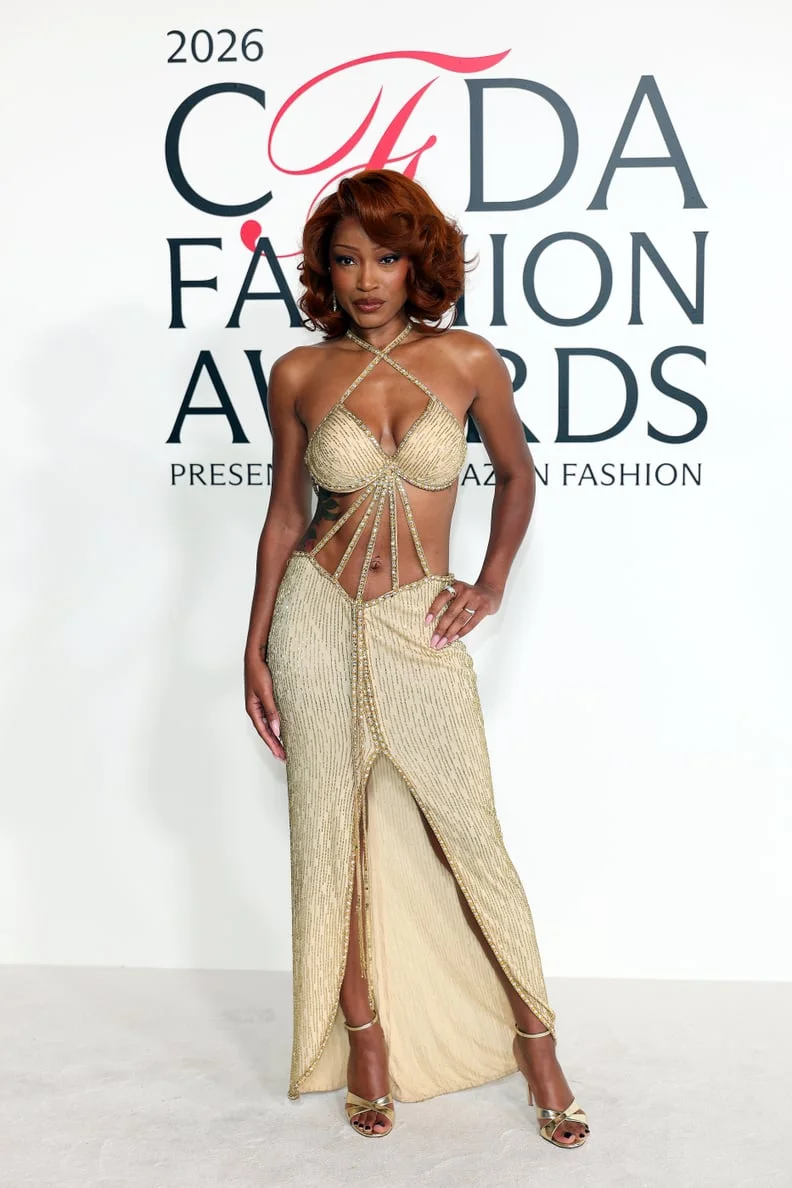
Keke Palmer at the 2026 CFDA Awards
Palmer wore vintage Bob Mackie while hosting the ceremony. A vintage choice brings a designer’s work from another moment into a present-day event, giving the outfit a different kind of visibility from a new collection. And it suited the role: the host’s look had to hold attention throughout the evening.
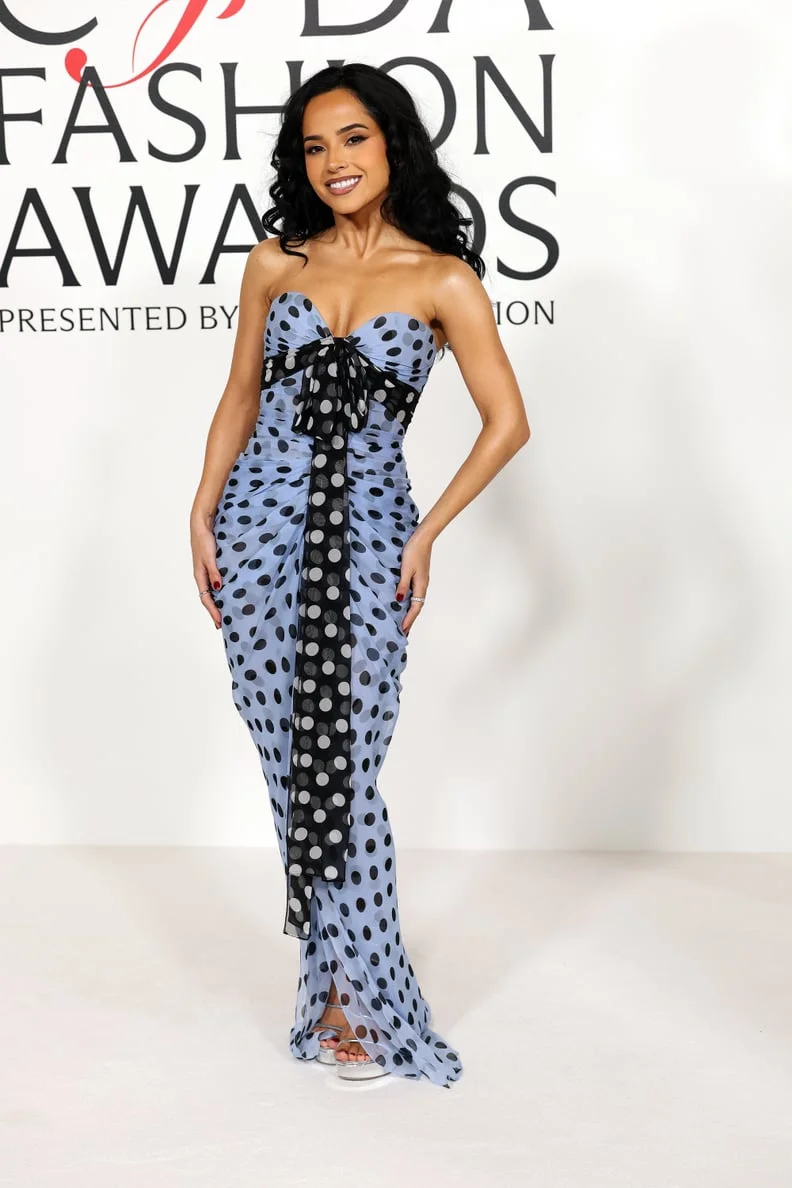
Becky G at the 2026 CFDA Awards
Becky G wore Carolina Herrera. A familiar label on a high-profile guest makes the carpet legible to readers who may not follow every award category, while the event gives the house a fresh setting in which to be seen.
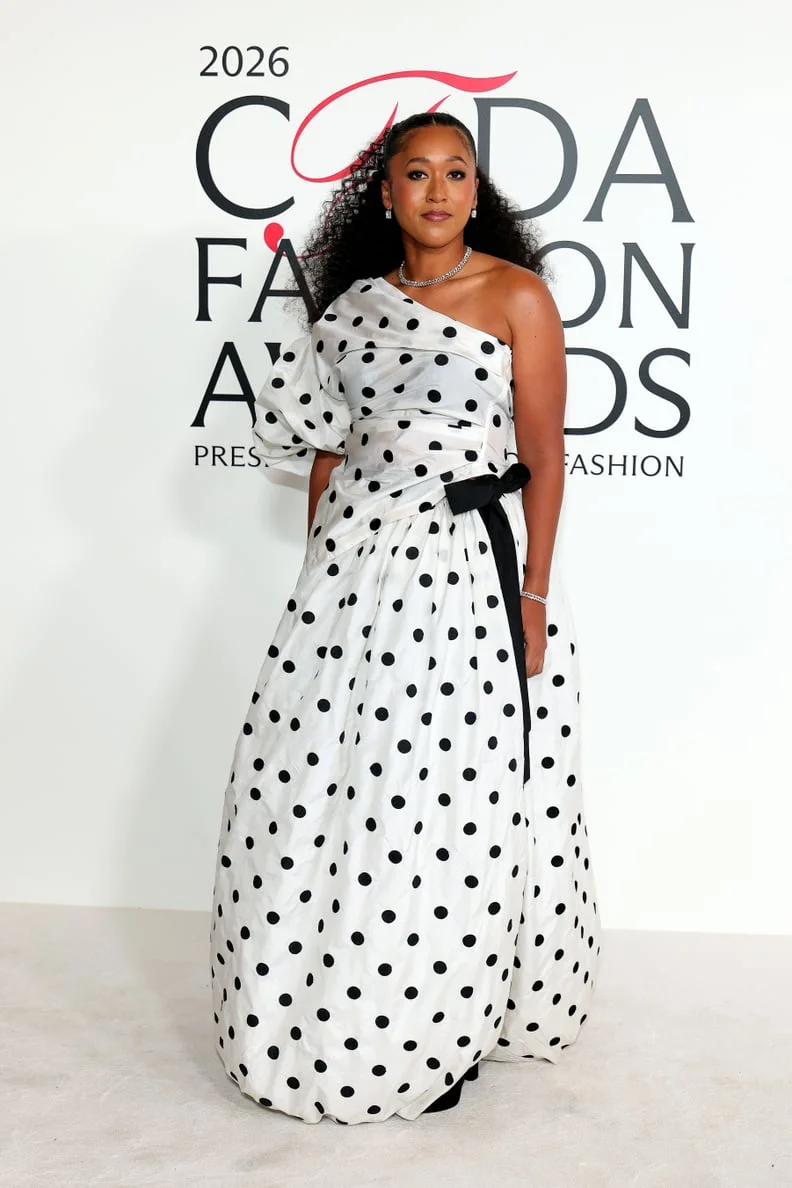
Naomi Osaka at the 2026 CFDA Awards
Osaka wore Miss Claire Sullivan, with Desert diamond jewelry by Rahaminov and Viltier. The combination places a designer look alongside jewelry from two separate names, a reminder that red carpet dressing is usually a collaboration across more than one label. The outfit becomes a meeting point for those brands.
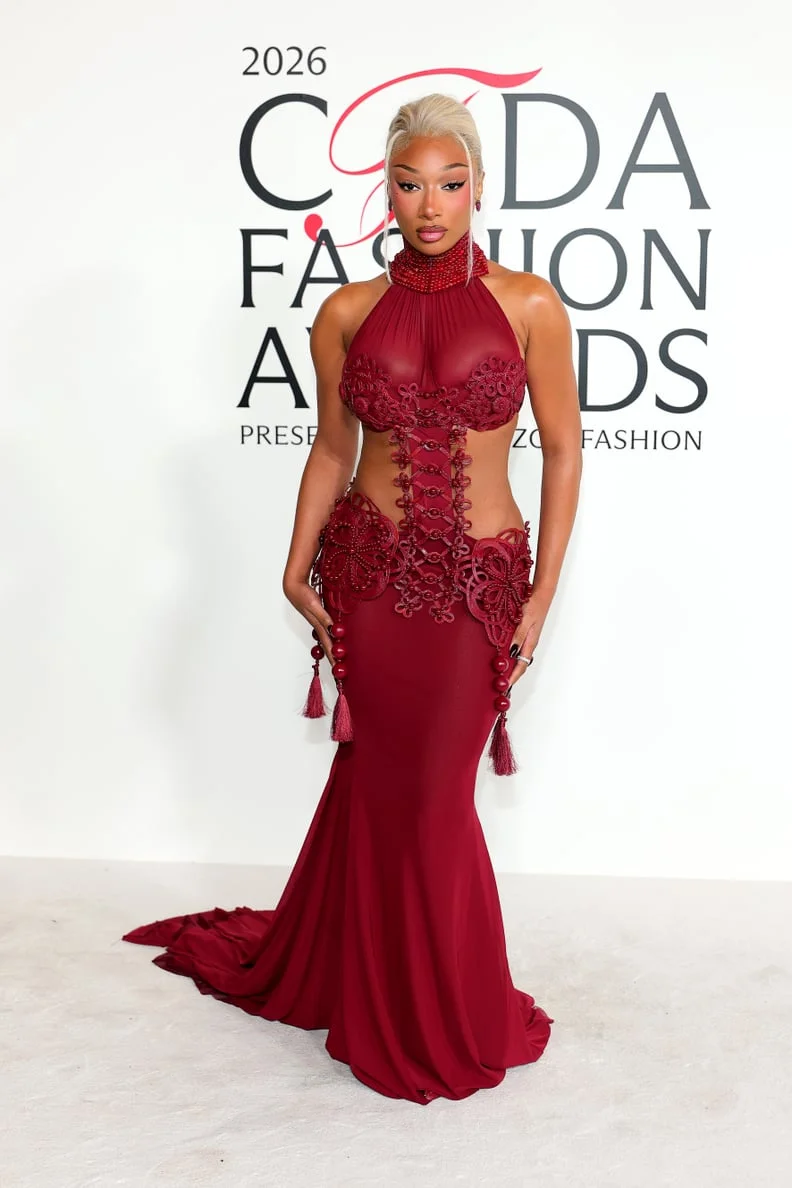
Megan Thee Stallion at the 2026 CFDA Awards
Megan Thee Stallion wore Kim Shui. The pairing gives the designer a prominent place in a lineup that also included established fashion houses. The look’s value to the brand lies in that public association as much as in the garment itself.
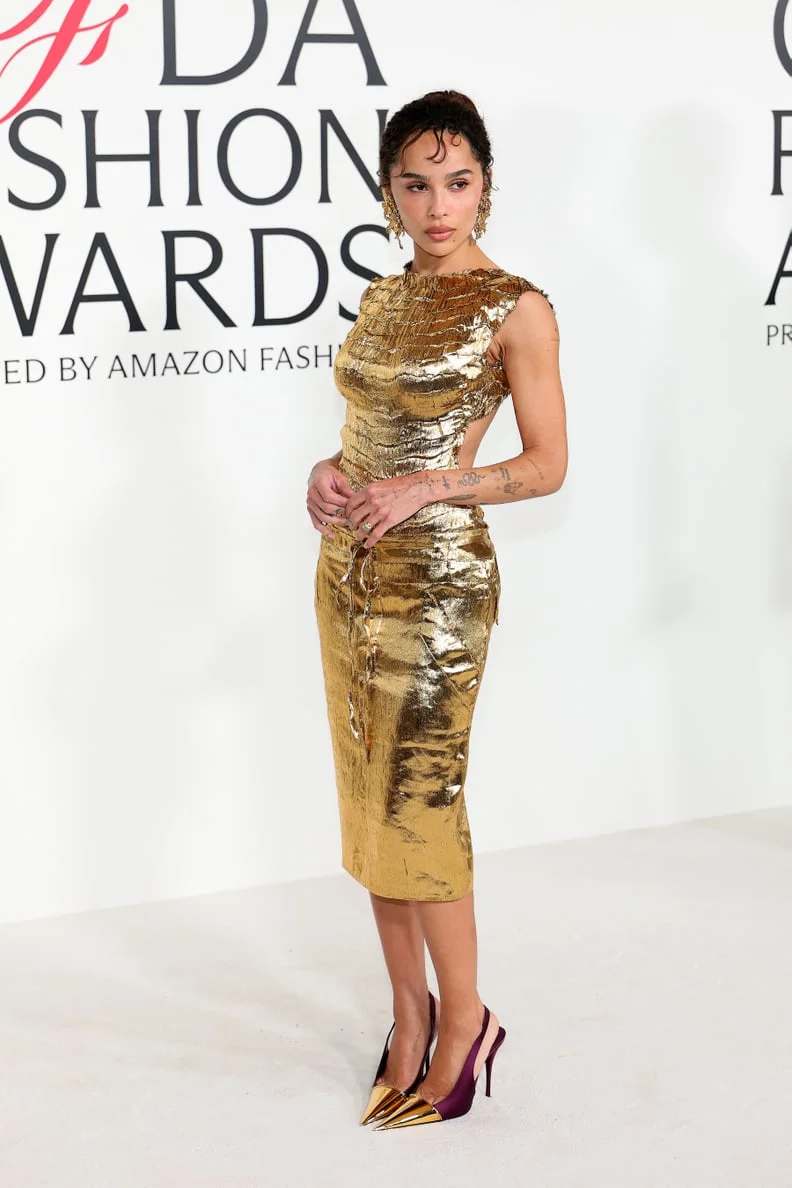
Zoë Kravitz at the 2026 CFDA Awards
Kravitz wore Saint Laurent and presented Vaccarello with the International Designer of the Year Award alongside Hailey Bieber and Rosé. Her outfit and her role in the ceremony put the designer’s house in two frames at once: as a red carpet choice and as the recipient of an industry honor.
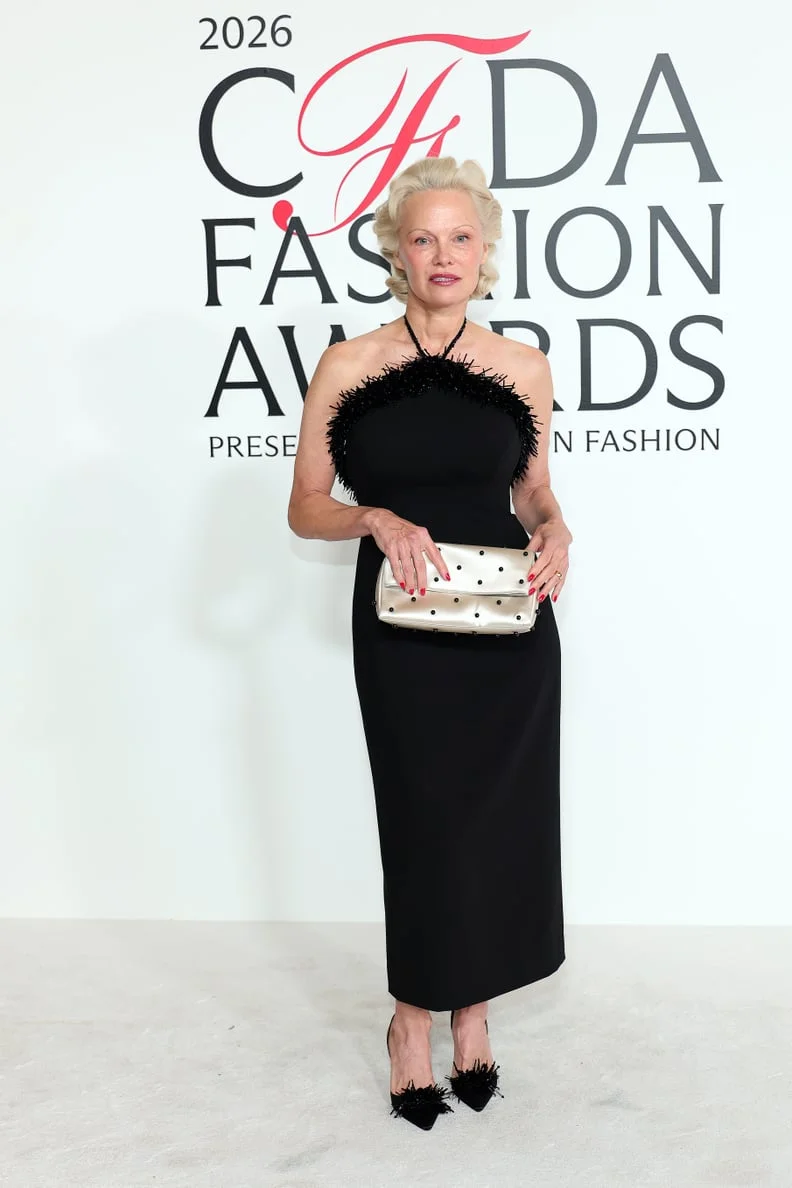
Pamela Anderson at the 2026 CFDA Awards
Anderson wore Carolina Herrera. The label’s appearance on more than one guest can make a house’s presence feel like a thread through the event, even when each wearer brings a different public image to the clothes.
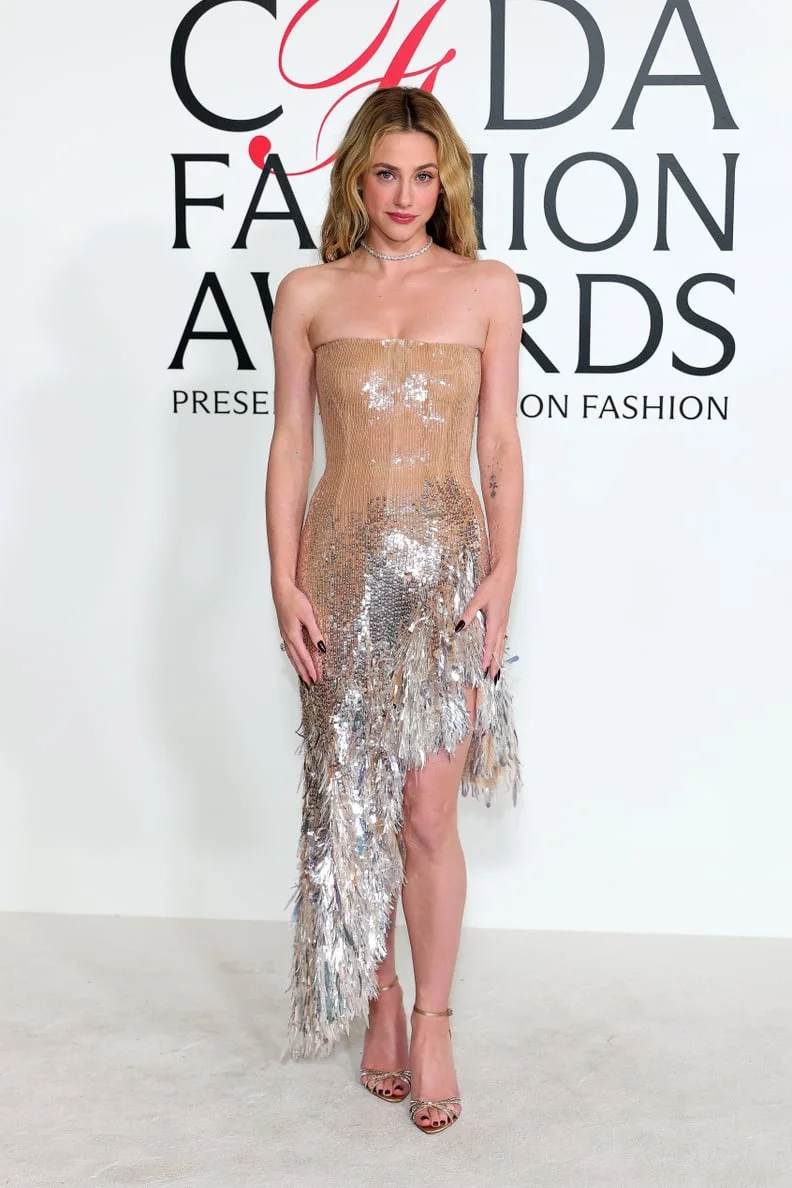
Lili Reinhart at the 2026 CFDA Awards
Reinhart wore Monse. The brief credit leaves the focus on the designer, but it also reflects a basic red carpet fact: the garment and the person wearing it share the attention.
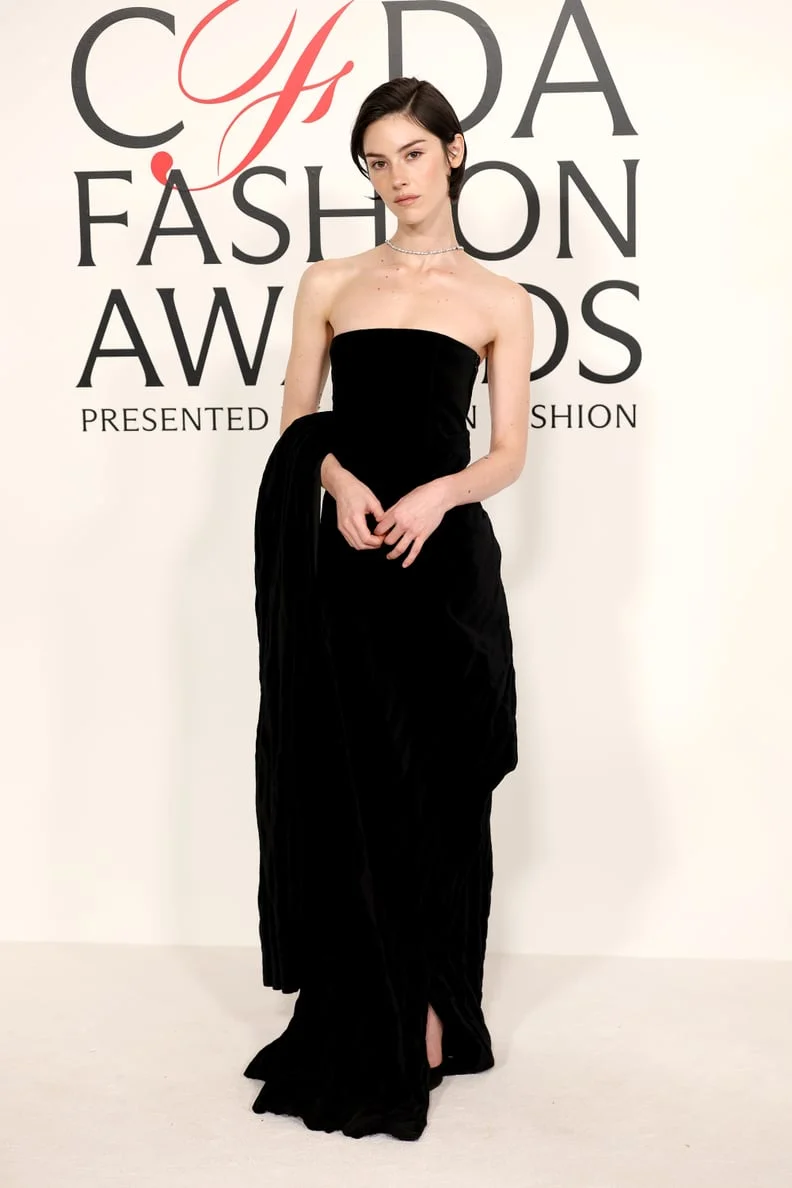
Gracie Abrams at the 2026 CFDA Awards
Abrams wore Colleen Allen, who was named Google Shopping American Emerging Designer of the Year. That pairing makes the award’s emerging-designer category tangible: the name recognized onstage also appeared on the carpet. A useful signal, though one appearance alone can’t tell you how a label will develop.
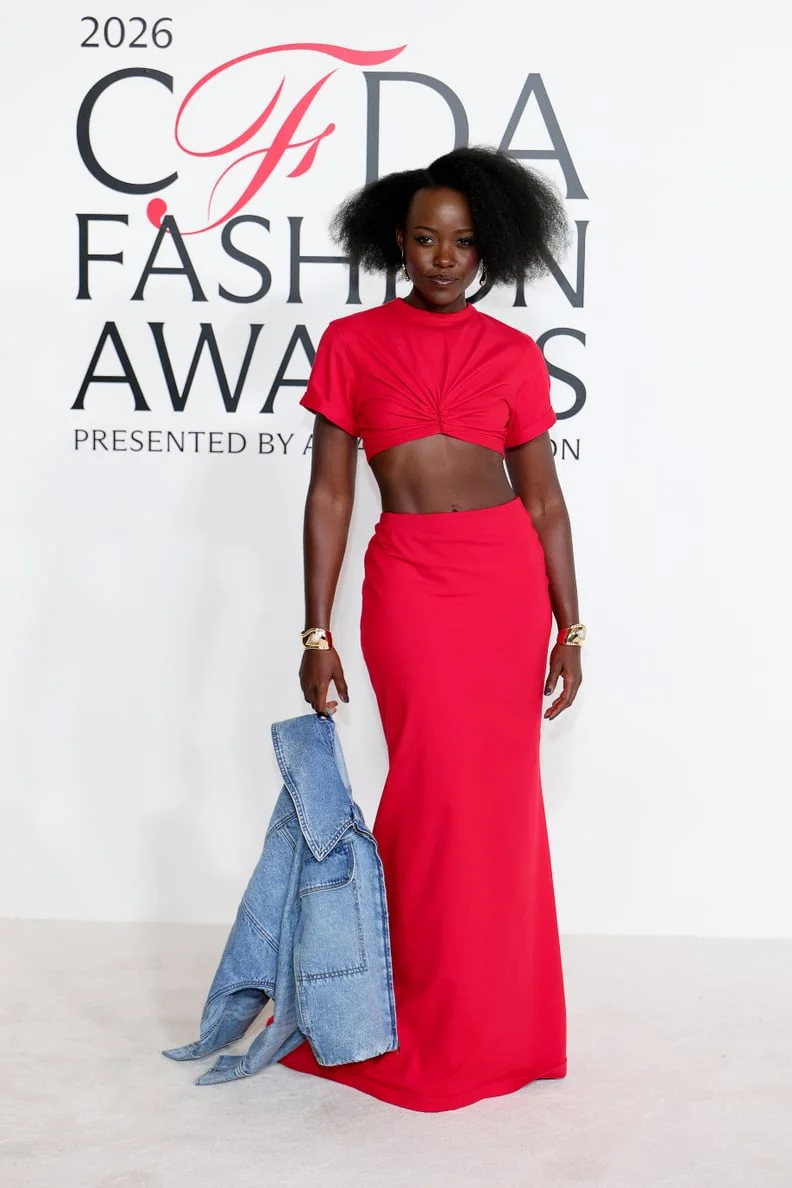
Lupita Nyong'o at the 2026 CFDA Awards
Nyong'o wore custom GapStudio by Zac Posen. Gap Inc. also received the Innovation Award, bringing a corporate honor and a designer-led look into the same evening. Here's the thing: awards gain meaning when readers can connect them to the work being worn, and this is a clear example.
Demi Moore at the 2026 CFDA Awards
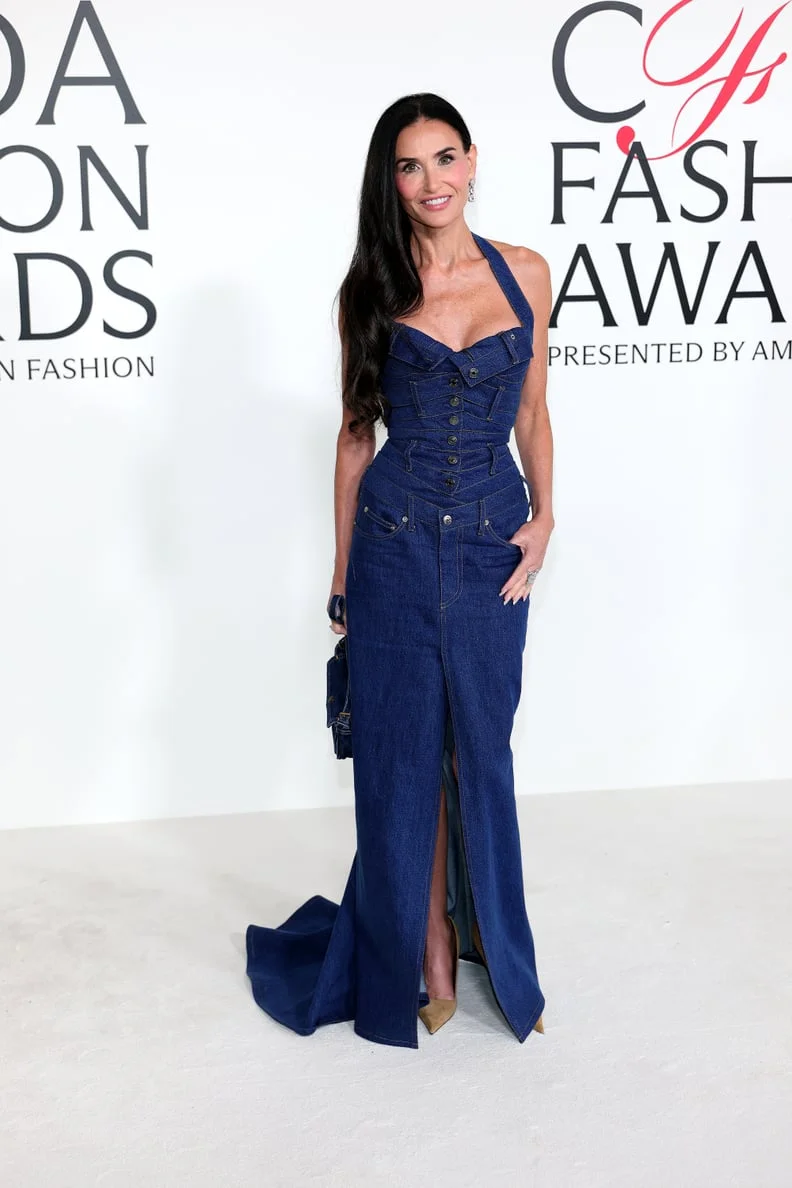
Moore chose a custom GapStudio look by Zac Posen. As with Nyong'o’s outfit, the custom commission connects the GapStudio name to the event’s broader recognition of Gap Inc. The association gives the look extra context without changing its basic function as red carpet dressing.
Alix Earle at the 2026 CFDA Awards
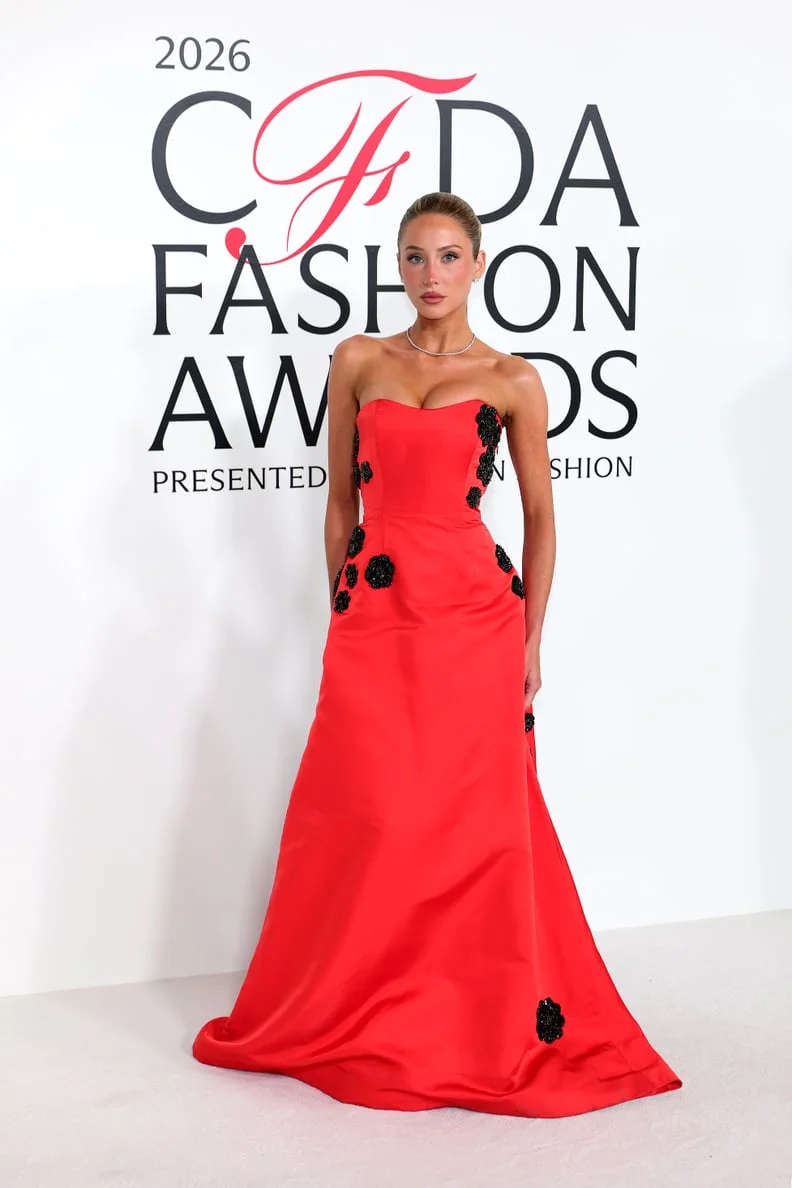
Earle brought vintage Isaac Mizrahi to the carpet. Vintage fashion introduces an archive dimension to an event that often draws attention to current collections. It also lets a wearer make a statement through selection: the piece carries a history beyond this night.
Julia Fox at the 2026 CFDA Awards
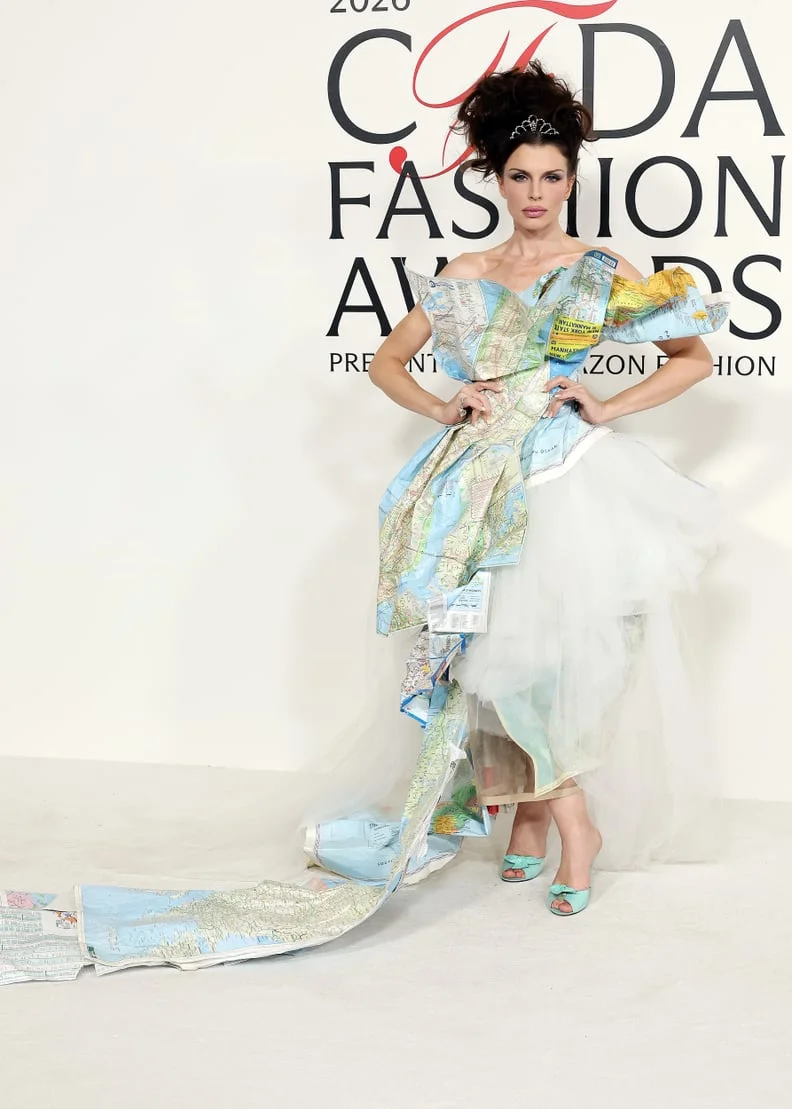
Fox wore Miss Claire Sullivan, the same designer credited for Osaka’s look. Seeing a label recur across different guests offers a small but useful measure of its reach at the event. It’s not a verdict on the designer’s wider standing, but it does make the name easier to notice.
Elle Fanning at the 2026 CFDA Awards
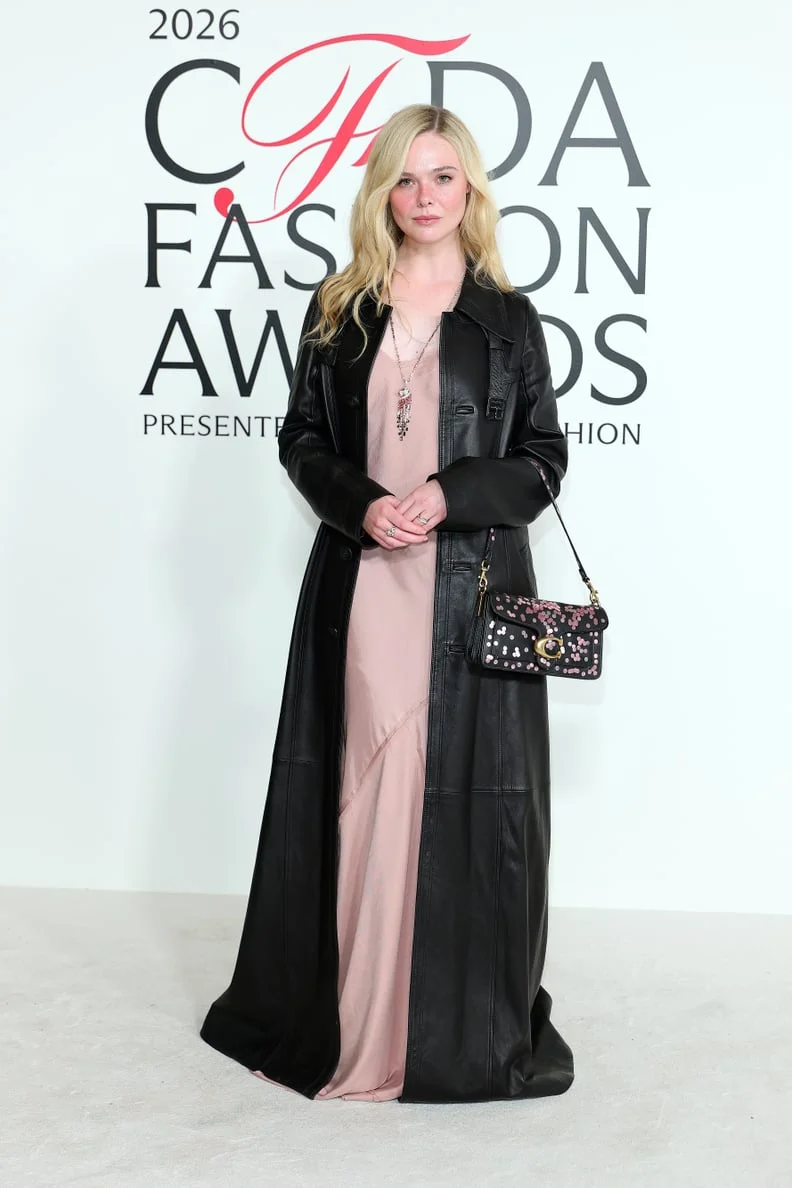
Fanning arrived in Coach. Her look was described alongside PinkPantheress’s as part of the evening’s joyful Coach presence, giving the label a visible role in the night’s broader mix of styles.
Chlöe Bailey at the 2026 CFDA Awards
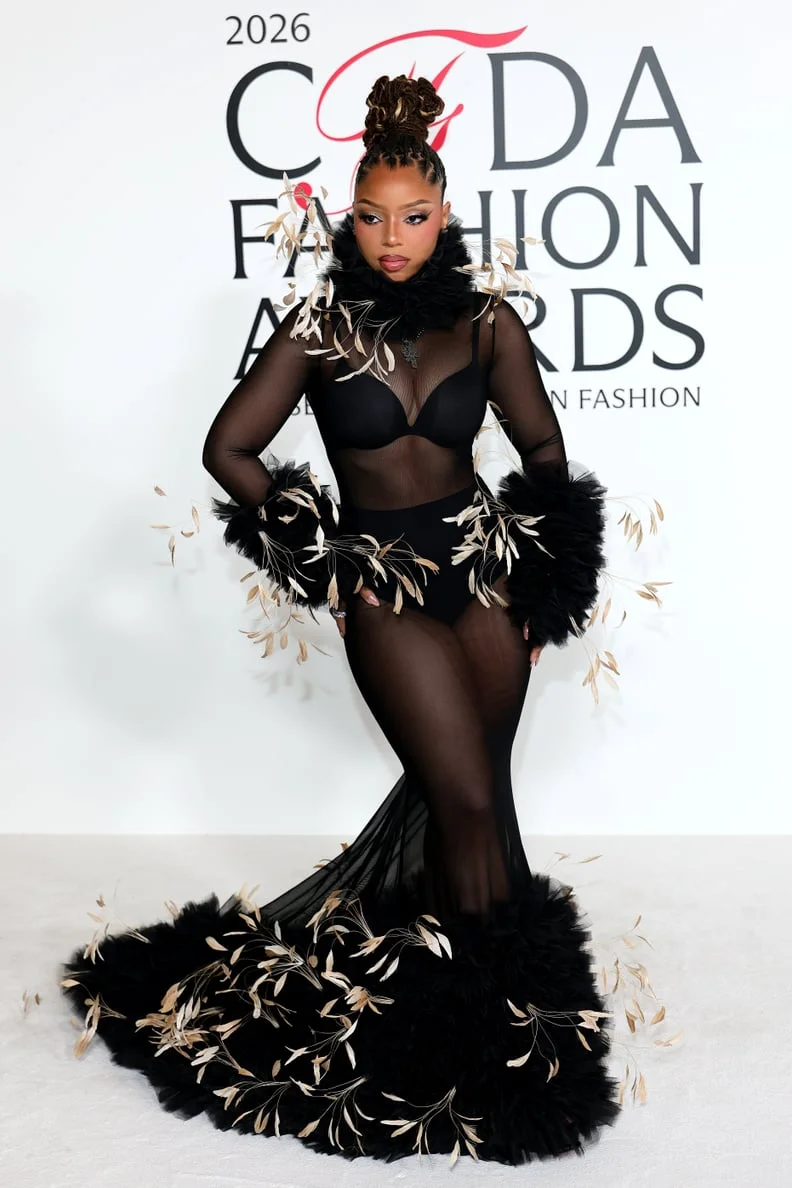
Bailey wore Christian Siriano. A designer credit can look spare on the page, but it’s the clearest record of the relationship between a guest and the label dressing them. The broader story comes from the full lineup.
Brandy, Law Roach, and Monica at the 2026 CFDA Awards
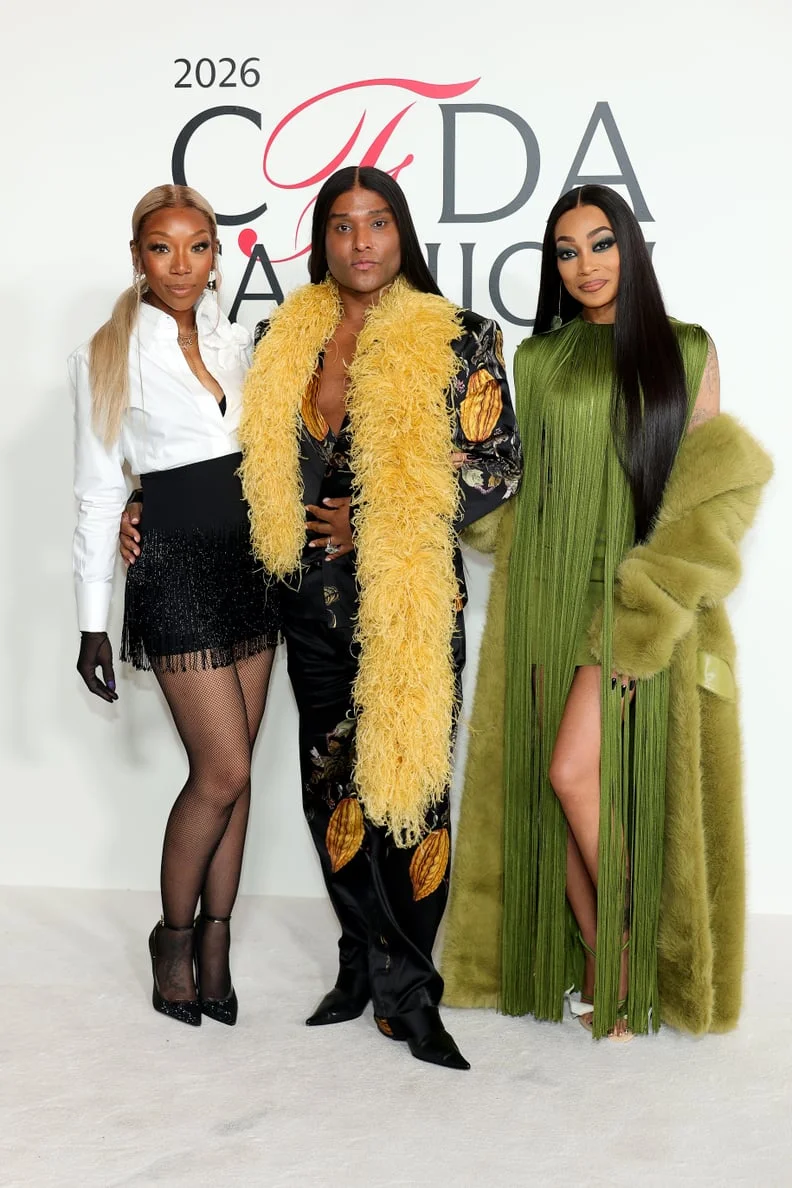
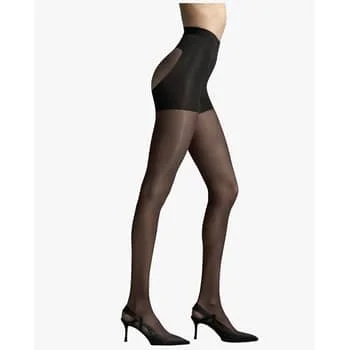
Brandy wore Sergio Hudson, Law Roach chose Luar, and Monica wore Cult Gaia. The trio’s labels span three distinct designers; Brandy’s tights are available for $15. That product detail shifts the focus from designer dressing to something readers can buy, a familiar turn in fashion coverage that connects the spectacle to ordinary shopping.
Shop: Brandy's Legg's Tights ($15)
Rosé at the 2026 CFDA Awards
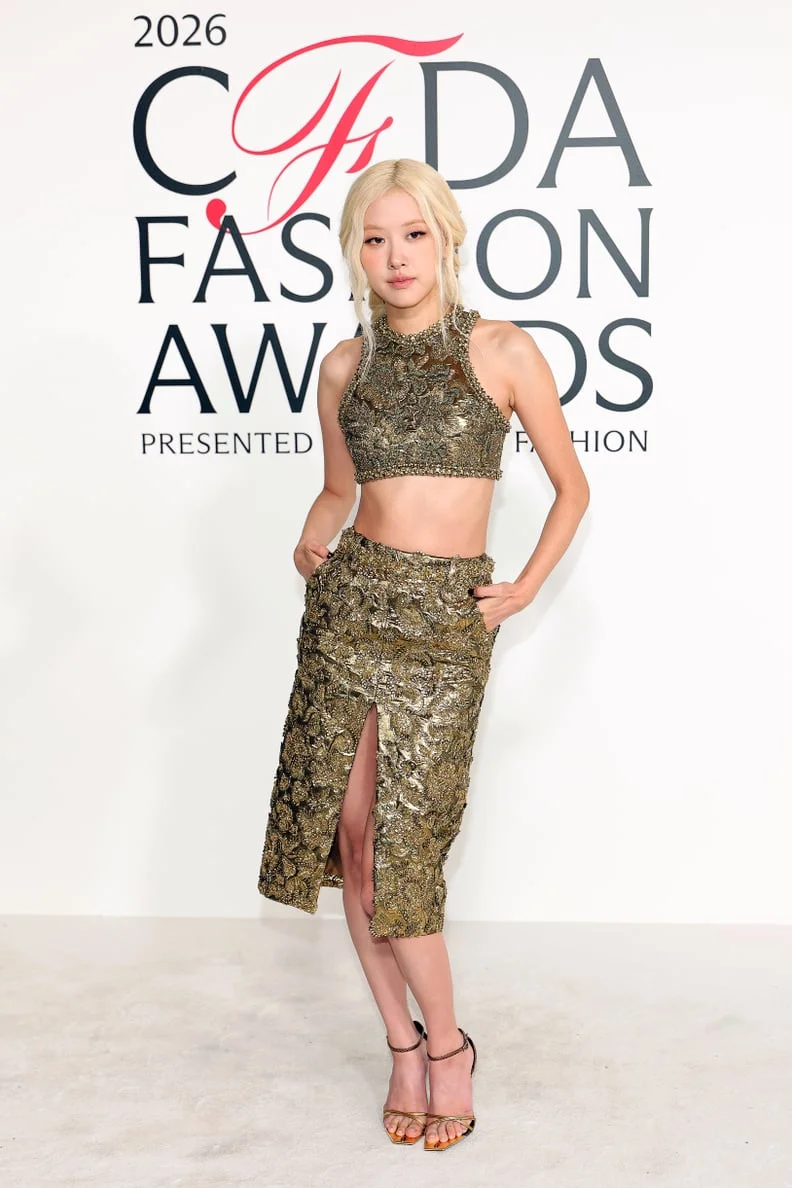
Rosé wore Saint Laurent and presented Vaccarello’s award alongside Hailey Bieber and Zoë Kravitz. The house was represented both in the award presentation and through the clothes worn by guests, a reminder that fashion events often blur the line between ceremony and brand visibility.
Nara Smith at the 2026 CFDA Awards
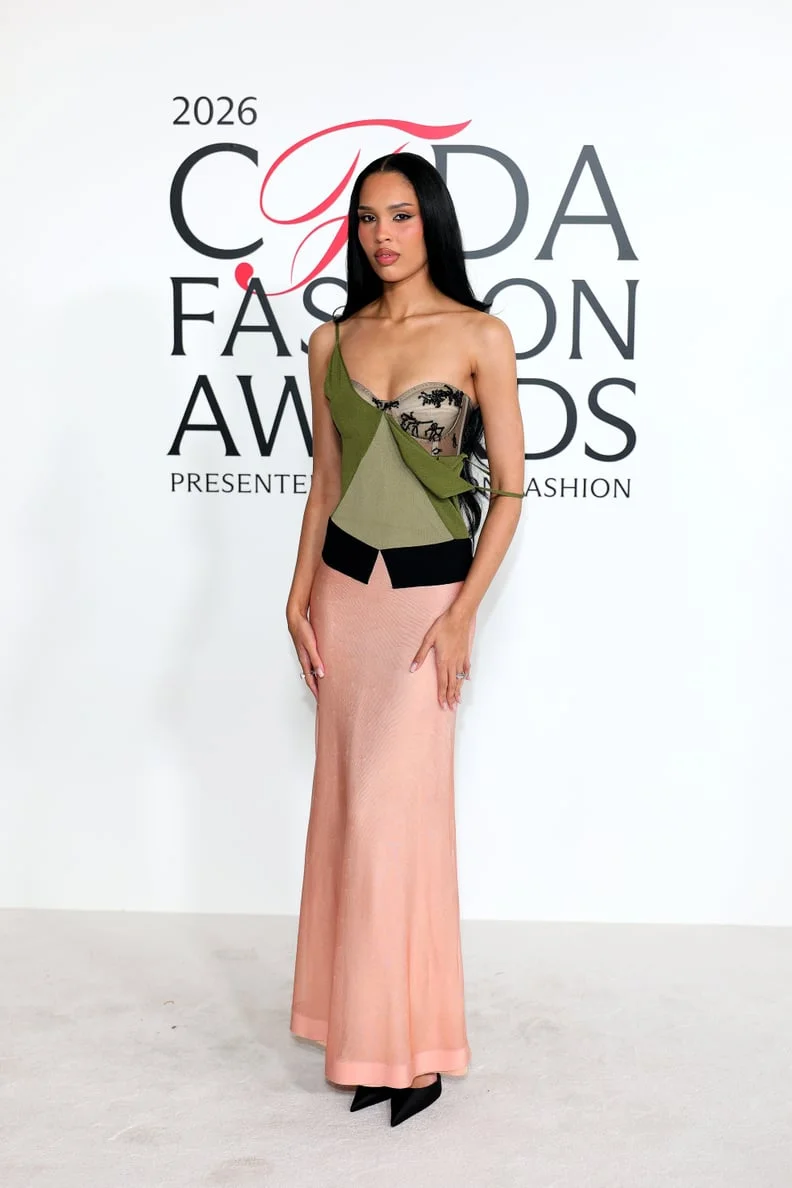
Smith wore Altuzarra. That credit adds another American designer to a lineup where the red carpet serves as a public roll call of the industry’s participants.
Coco Jones at the 2026 CFDA Awards
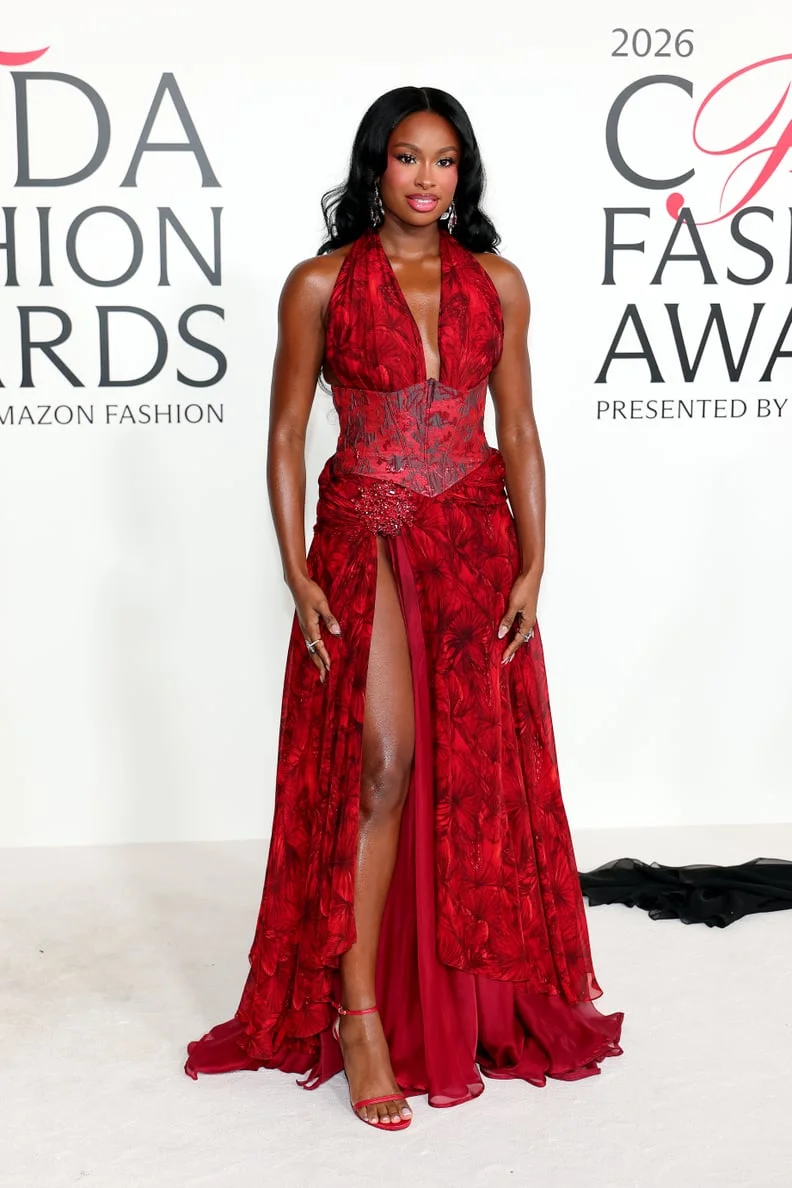
Jones selected Kim Shui, the same designer Megan Thee Stallion wore. Repeated appearances can help a label stand out in a long list of individual credits. Still, the clothes and the wearer’s styling determine whether that visibility becomes memorable.
Ashley Graham at the 2026 CFDA Awards
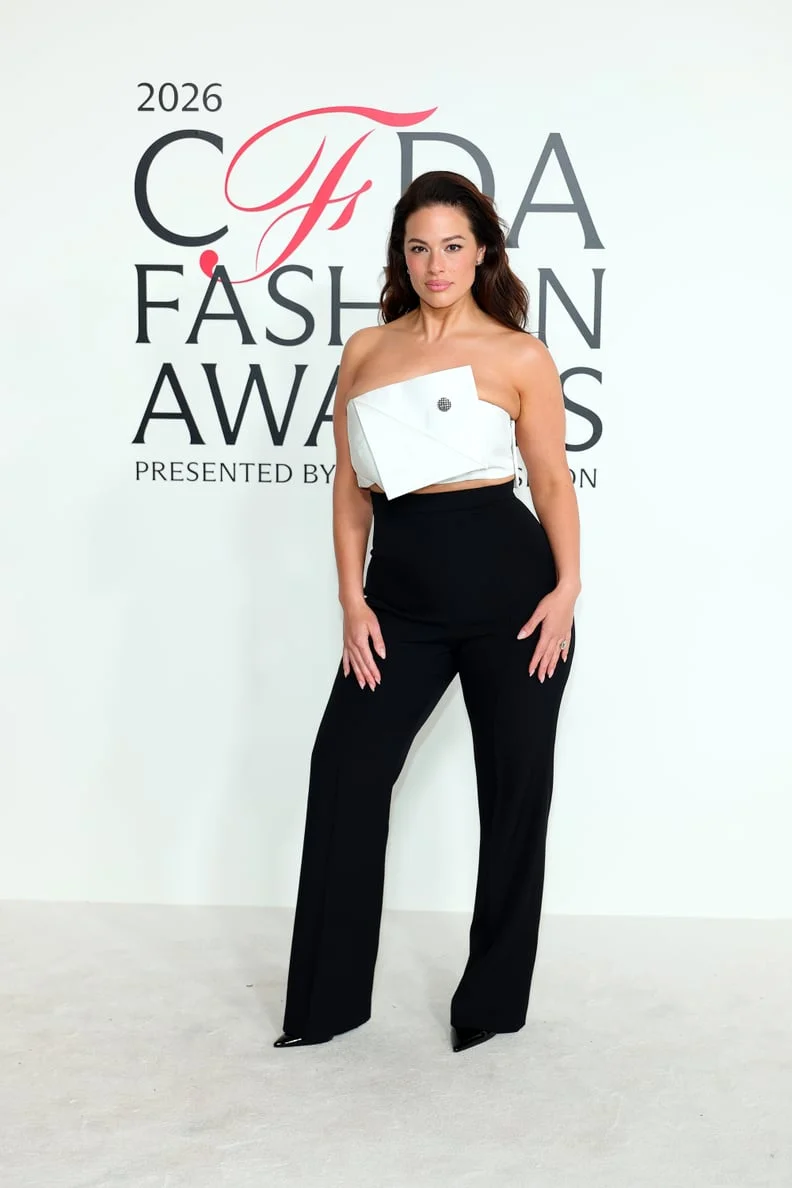
Graham wore Esque/By. One concise credit, one more name in the night’s design mix.
Tinashe at the 2026 CFDA Awards
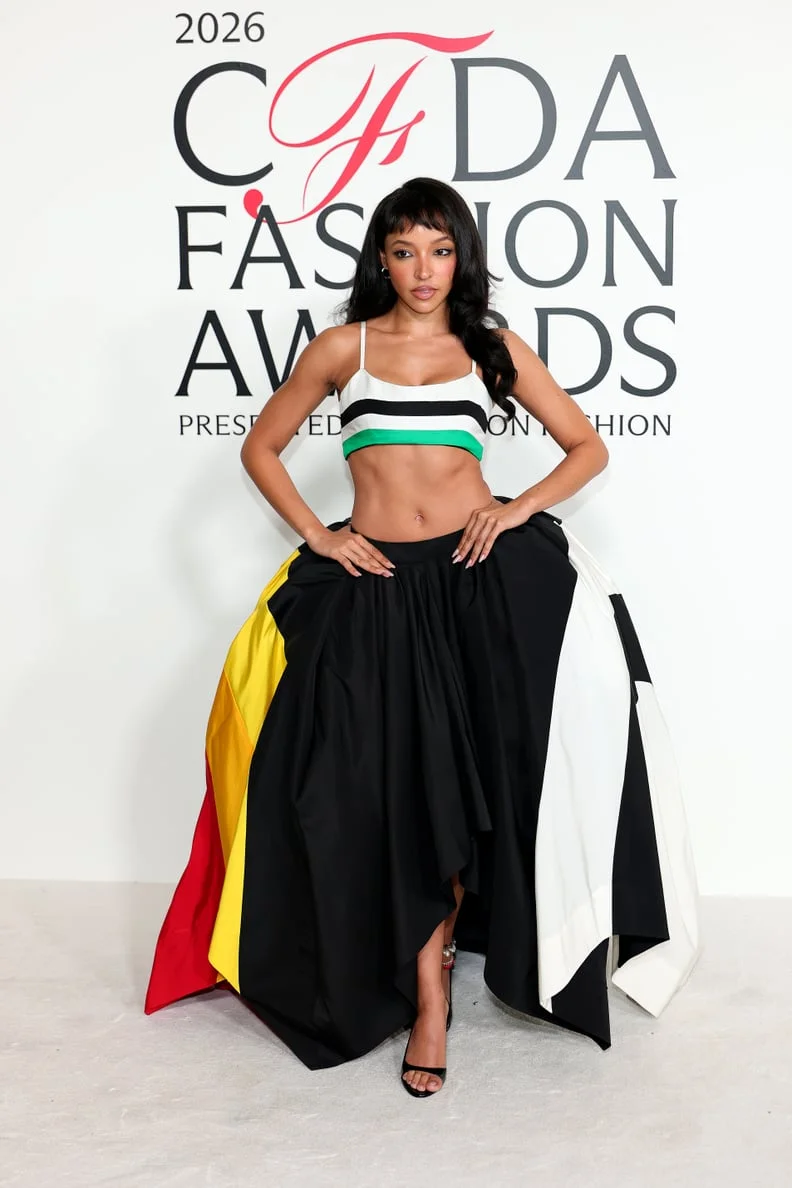
Tinashe arrived in Christopher John Rogers. Taken together, the credits show the breadth of designers brought into the event, though a list of names can only go so far; the images and the garments supply the detail.
2026 CFDA Awards
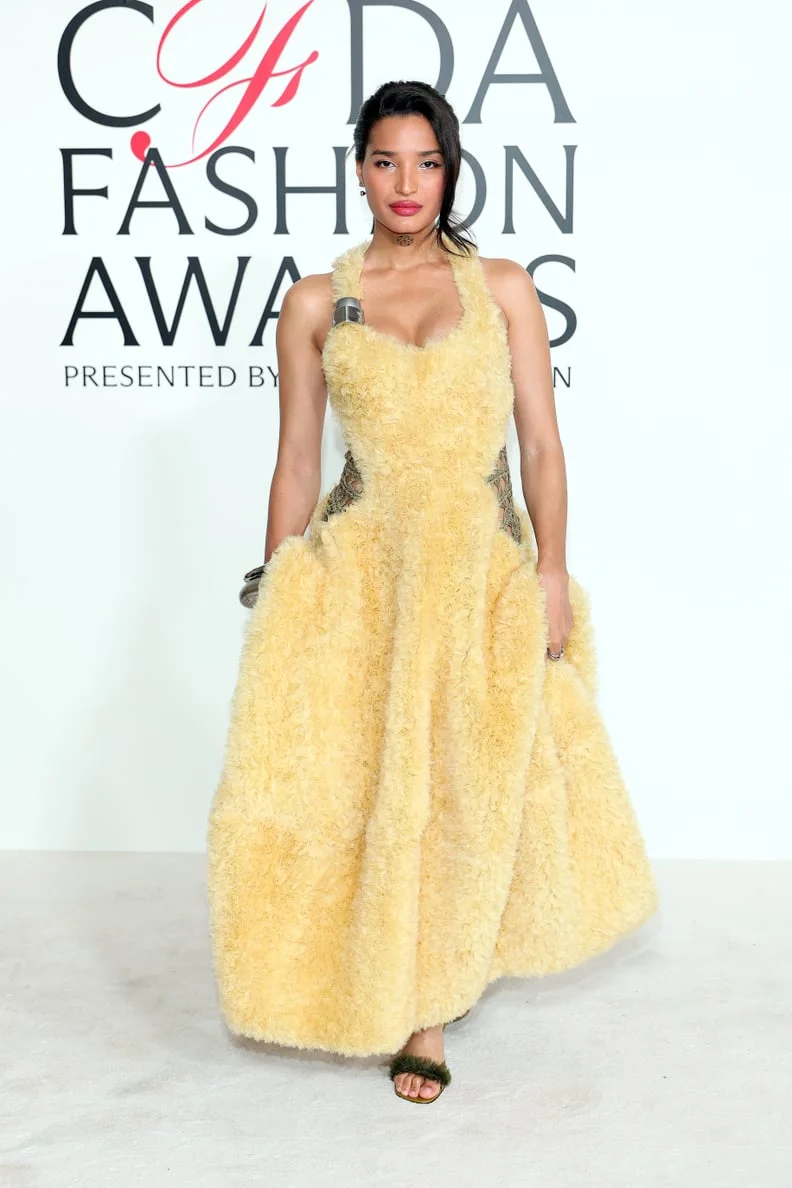
Indya Moore
Moore wore Diotima. The label was also represented through its designer, Rachel Scott, who won American Womenswear Designer of the Year. That connection gives Moore’s choice added context within the evening’s awards.
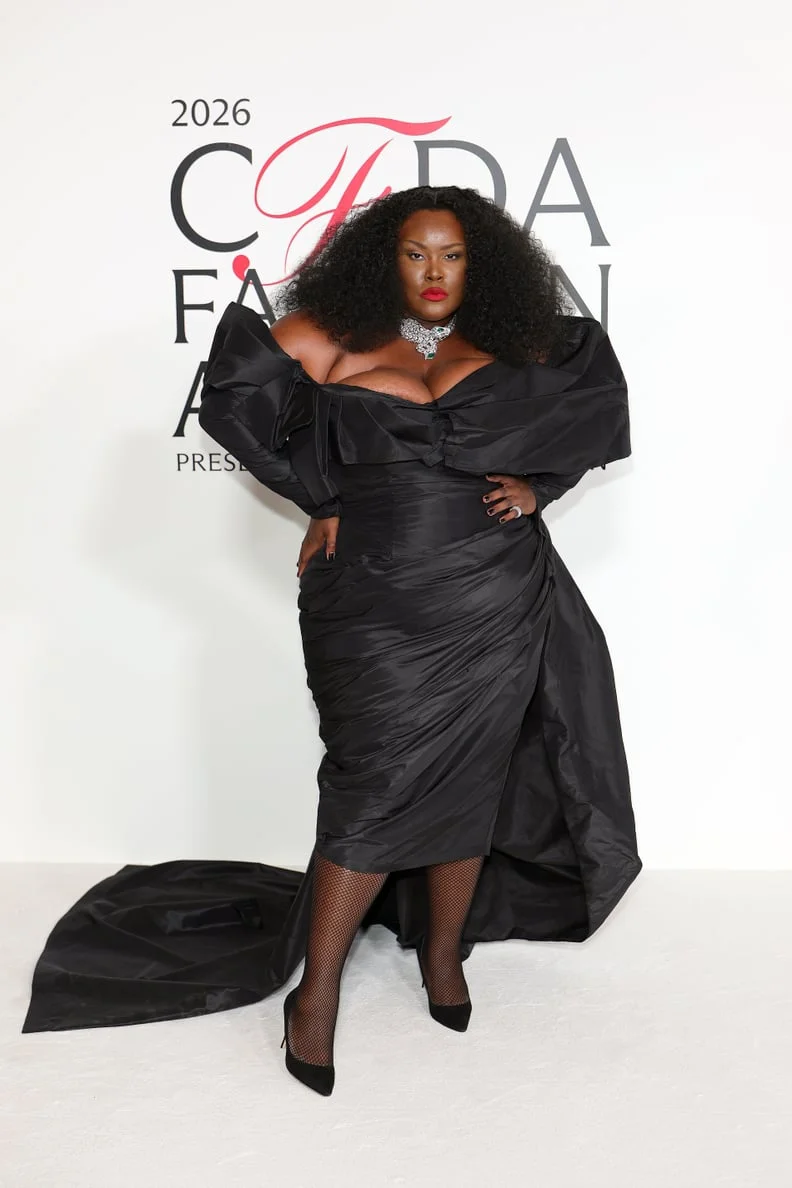
Yseult
Yseult arrived in a custom look by Jamea Nguyen and Alexander Cole. A two-designer credit makes the collaborative nature of custom dressing explicit: the finished appearance can represent more than one creative voice.
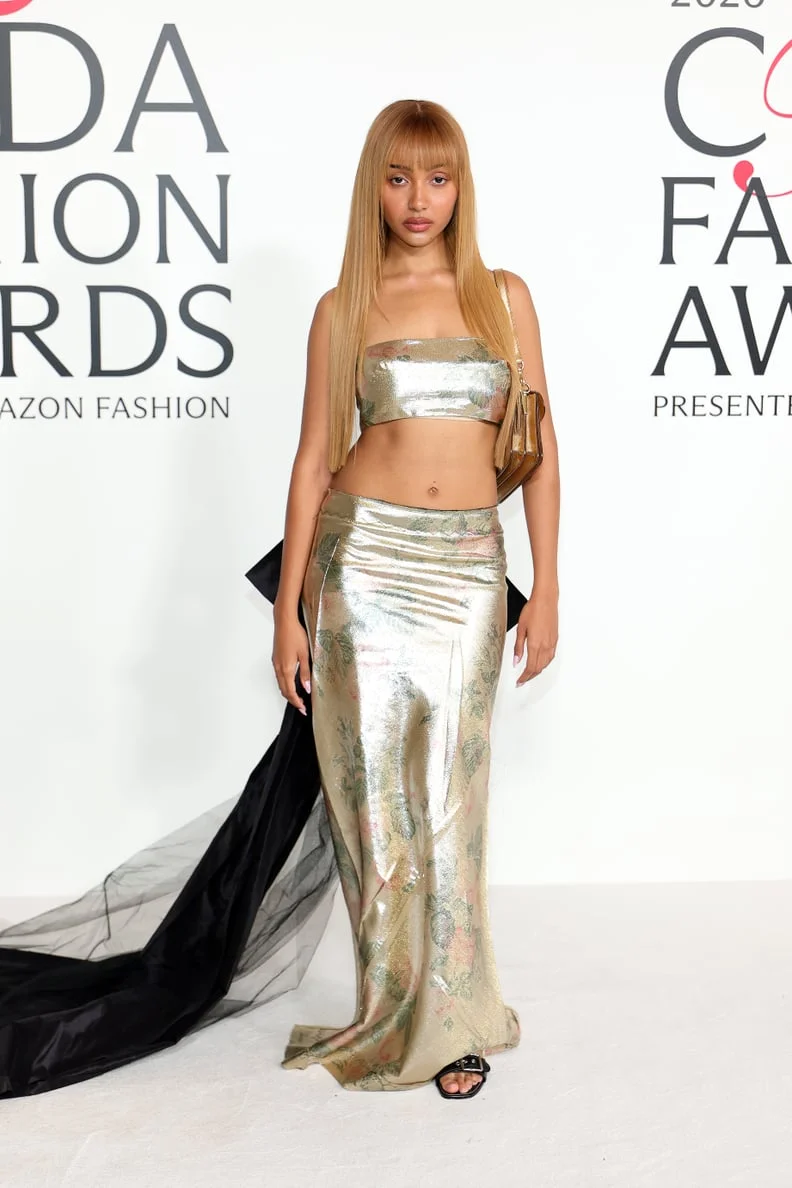
PinkPantheress
She wore Coach, adding to the label’s presence through Elle Fanning’s look. And yet, the same label can read differently on different guests; the wearer remains part of the styling story.
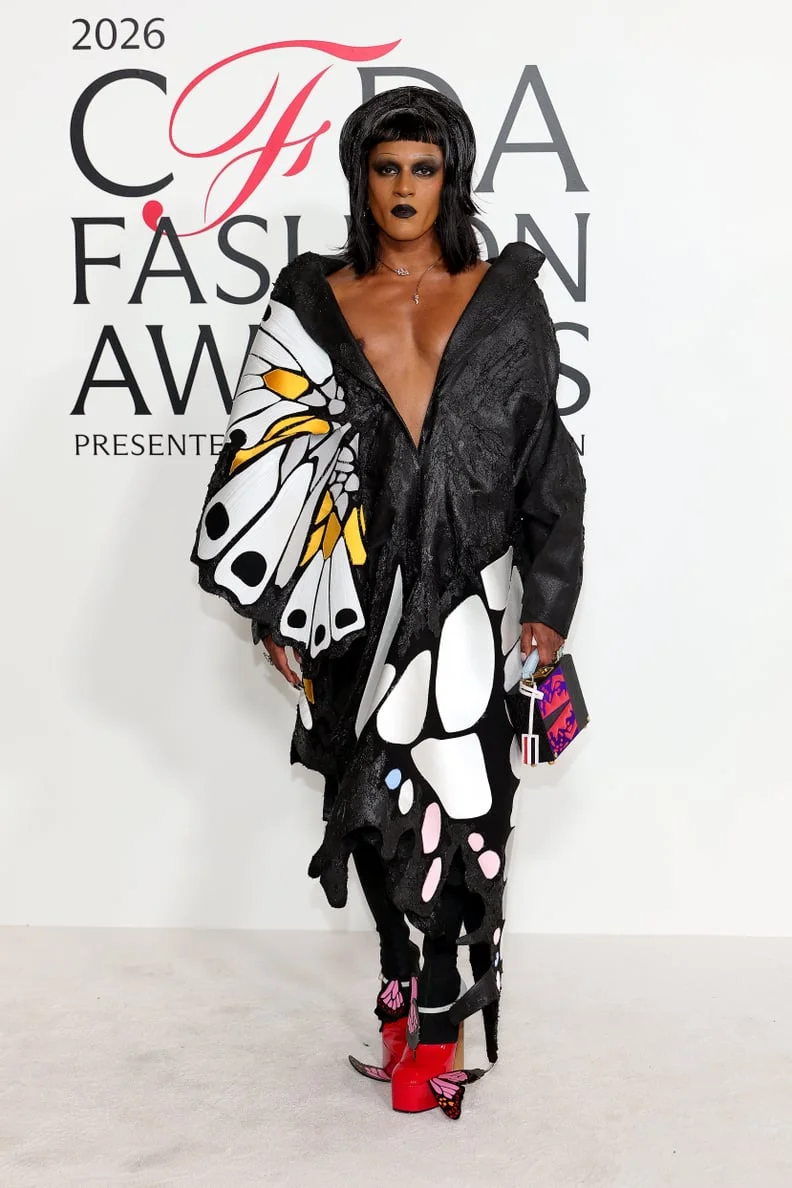
Richie Shazam
Shazam chose Thom Browne. That single credit adds another design house to a carpet where range matters as much as repetition.
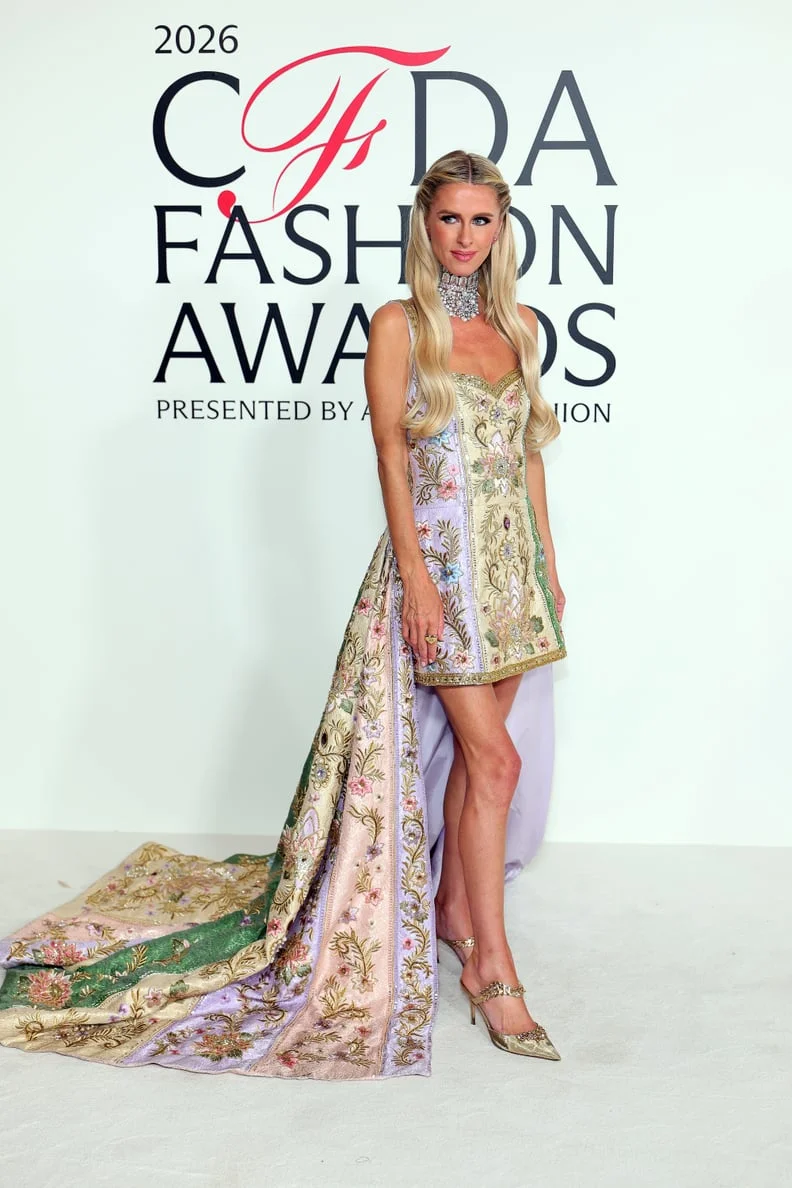
Nicky Hilton Rothschild
Hilton Rothschild wore alice + olivia. The look rounds out a lineup that moves between custom commissions, vintage pieces, and ready-to-wear labels.
Earlier CFDA appearances
The earlier appearances offer a point of comparison for this year’s carpet. They also show how the event’s visual record extends beyond a single ceremony: familiar designers and returning guests help connect one year’s coverage to another.
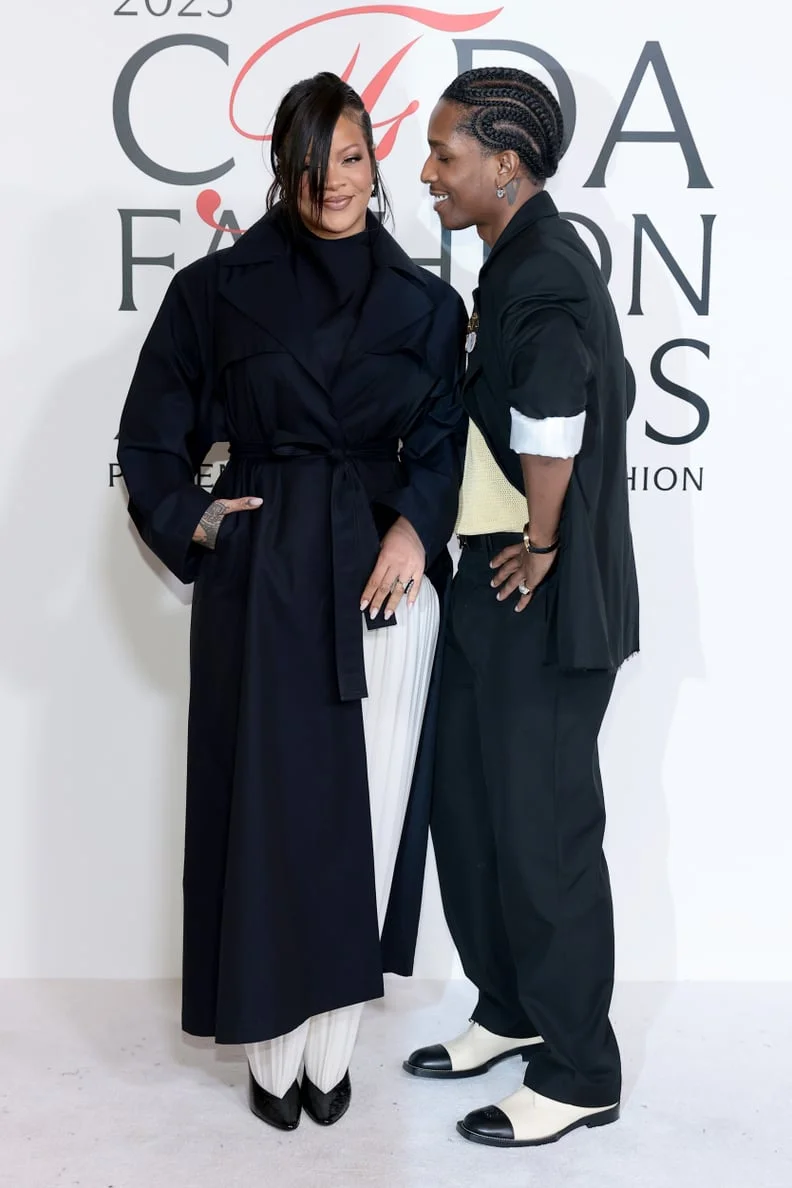
Rihanna and ASAP Rocky
At the 2025 CFDA Awards, Rihanna wore Alaïa and ASAP Rocky wore Chanel. The pairing put two major fashion houses in the frame through one appearance, illustrating how a red carpet can make a couple’s styling part of the event’s broader fashion story.
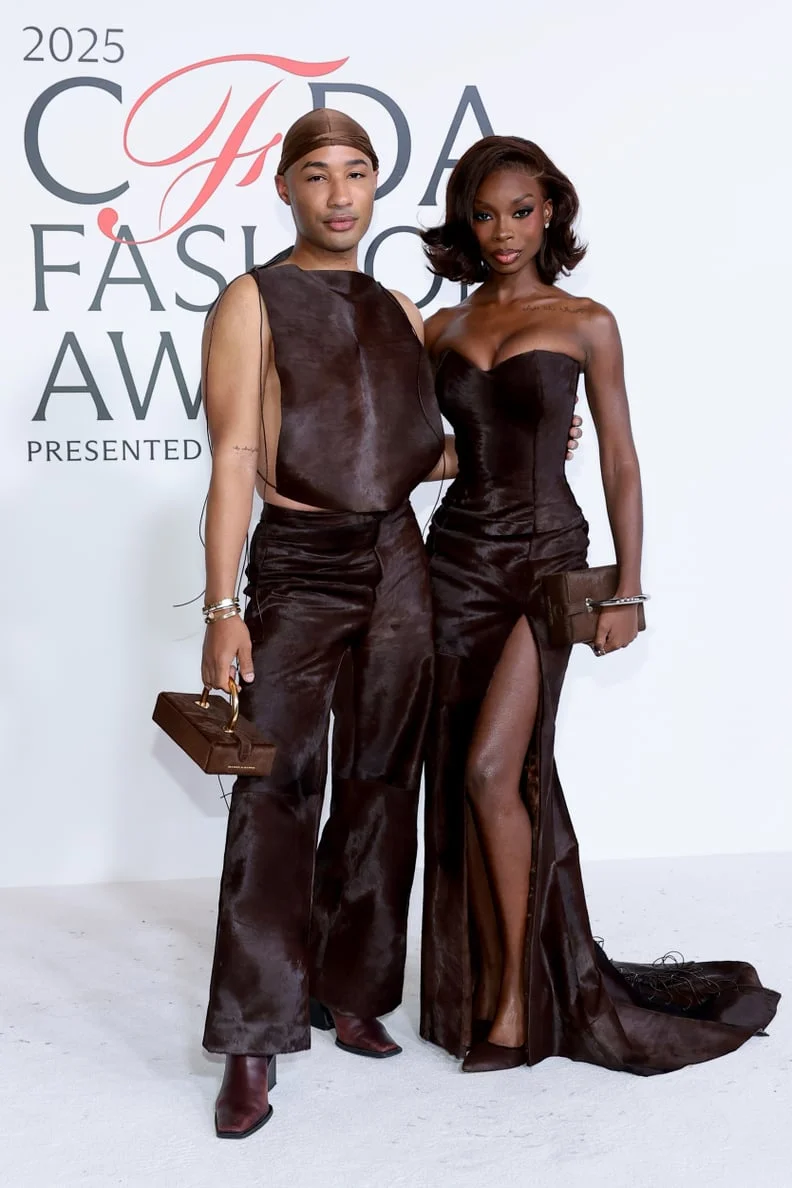
Olandria and Brandon Blackwood
Olandria wore Brandon Blackwood. The appearance gives this year’s custom look a longer thread in the event’s visual record, linking the guest and designer across two ceremonies.
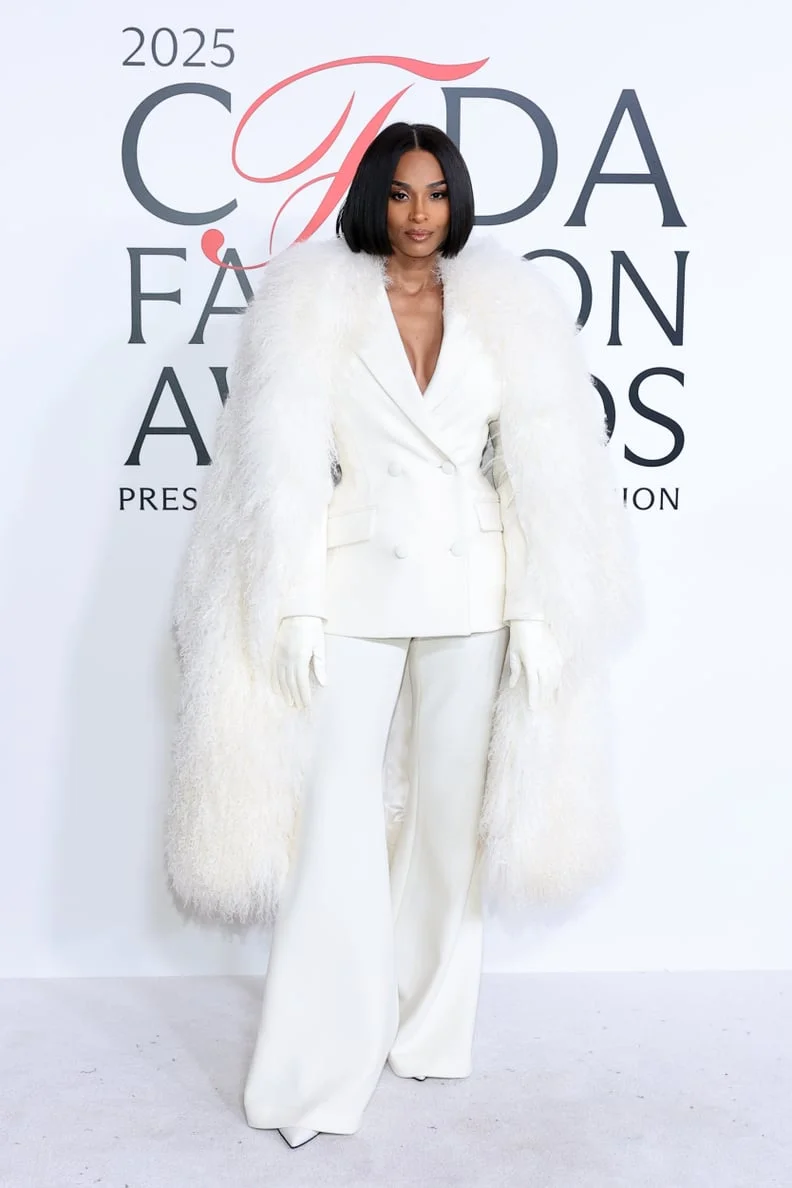
Ciara at the 2025 CFDA Awards
What the red carpet signals
Awards and outfits answer different questions. The honors identify who receives formal recognition; the clothes show which designers have a place in the night’s public conversation. That distinction matters because celebrity dressing can amplify a name, but it can’t stand in for a full account of a designer’s work.
What this means for you as a reader: the most useful way to scan a carpet is to notice both the individual look and the pattern across the lineup. Custom commissions, vintage choices, and recurring labels each signal different kinds of visibility. The list is extensive, but the names alone don’t tell the whole story (and this is the part most people overlook).
There’s no single verdict in a red carpet roundup. Just a set of choices, and a clearer view of who was invited into the frame.