Hundreds of restaurant meals went into this year's picks, and only a handful of plates kept replaying in my head days later. This year marks the debut of a national award category for individual dishes, and the five below earned their places by doing something specific and memorable. Some took a familiar ingredient and gave it a sharper point of view. Others borrowed a memory from a kitchen the diner has never stood in. What they share is confidence. Nobody on these menus is hiding behind novelty.
A textbook roast chicken that defined the year
Los Angeles, California

If you want to understand where California cooking stood in 2026, start at Henrietta. This neighborhood bistro manages a rare balance of precision and ingenuity, and its food carries a streak of nostalgia that pulls people back in. The clearest expression of that is the roast chicken. It arrives as a half bird, just salty enough, cut into handheld pieces with deep, smoky char marks. Alongside it sits a scorched lemon half and a heaping Caesar panzanella built on chicory, buried under so much Parmesan that it looks like fresh snow on a ridge of the San Gabriel Mountains.
The chicken nods openly to its forebears, most obviously San Francisco's Zuni. But the salad is where Henrietta makes the dish its own. The Caesar draws on Baja influences and feels unmistakably local, with torn bread from neighboring Clark Street Bakery giving it body. That's a smart move. Plenty of kitchens can roast a chicken. Fewer can make the side dish carry as much weight as the bird.
Roast chicken has become a calling card for restaurants this year, which the trend pieces are already calling the Great Chickening. Sqirl, with its new dinner menu, and Pasjoli have both put out inventive versions in Los Angeles. Henrietta's version stuck anyway, and I think it's because of its restraint. It doesn't try to reinvent the bird. It just gets every detail right.
Pickled walleye cheeks that earn trust one plate at a time
Cleveland, Ohio

People outside the Midwest may not know walleye, but inside the region it's a comfort food with real roots. It shows up at Lenten fish fries, state fair booths, and in the freezer stashes of Lake Erie fishermen. At Rosy, chef Vinnie Cimino uses that familiarity as a bridge. He wants diners to try the fish in a form they haven't seen before.
The pickled walleye cheeks ($17) are a staple of the Eastern European-leaning menu, though a fleeting one. Rosy opened in February 2026, and the dish has been there from the start. The supply chain is part of the appeal. Kate's Fish, in Cleveland's historic West Side Market, supplies filets to sister restaurant Cordelia. The fishmongers set the cheeks aside as they fillet each fish until they have a meaningful batch. Rosy gets to offer them roughly every three weeks, for about four days at a stretch. That scarcity looks like a sustainability decision, and it is one. Fish cheeks are also a prized cut for their dense, silky texture, so the restraint pays off on the plate too.
Cimino draws on Jewish fish-pickling traditions for the concept. The result reminded me of a tender ceviche. Seasonal vegetables are pickled in lemon, and the menu shifts with the calendar. An earlier version leaned toward German-style potato salad, spring brought asparagus, and bell pepper, carrot, and dill were in the mix when I visited in June. The cheeks get a separate hot-pickle in red wine vinegar, salt, sugar, bay leaf, peppercorns, and coriander, then everything comes together in one dish.
"People really gravitate toward it," Cimino says. "We've built up a great trust with our diners." That trust is the real story here. Pickled walleye cheeks won't replace fried fillets at church fish fries any time soon. But at Rosy, diners have been willing to follow Cimino somewhere unexpected, and that willingness says a lot about where Midwestern dining is headed.
Puffed grain toast that steals the show at All Well
Chicago, Illinois
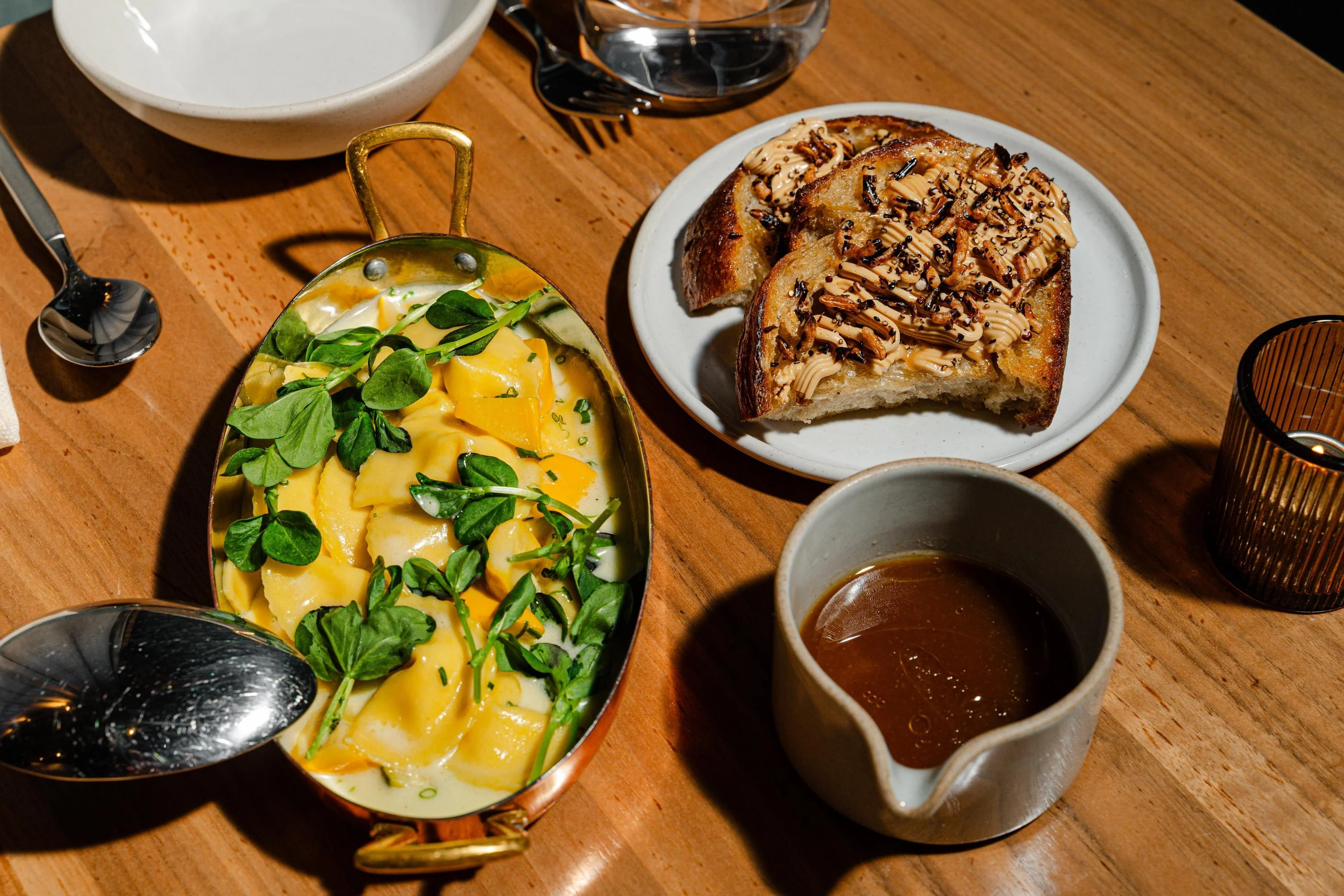
I didn't expect toast to be the star of a five-course tasting menu priced at $145. The menu includes a Hokkaido scallop that could carry a dinner on its own, and a charred rib-eye with peaches that is anything but shy. Even so, the puffed grain toast at All Well is what I keep thinking about.
Larry Feldmeier spent three years at two-Michelin-starred Oriole before partnering with Noah Sandoval, another Oriole alum and a James Beard winner for Best Chef: Great Lakes. Together they opened All Well in the West Loop. The restaurant runs both a la carte bar options and the tasting menu, and the toast only appears in the tasting.
The bread arrives topped with nutty buckwheat butter sweetened with honey. It sits next to a pasta stuffed with triple-cream Délice de Bourgogne and a pot of salty chicken brodo. You'll use the bread to mop up the beurre blanc, which is the obvious move. But the toast also works as its own course. Its sweetness and crunch offset the richness of everything around it, and it could stand alone without the pasta. It's a brief reset in the middle of a meal you don't want to end.
Island curry crab and callaloo dip that carries a family history
Oklahoma City, Oklahoma
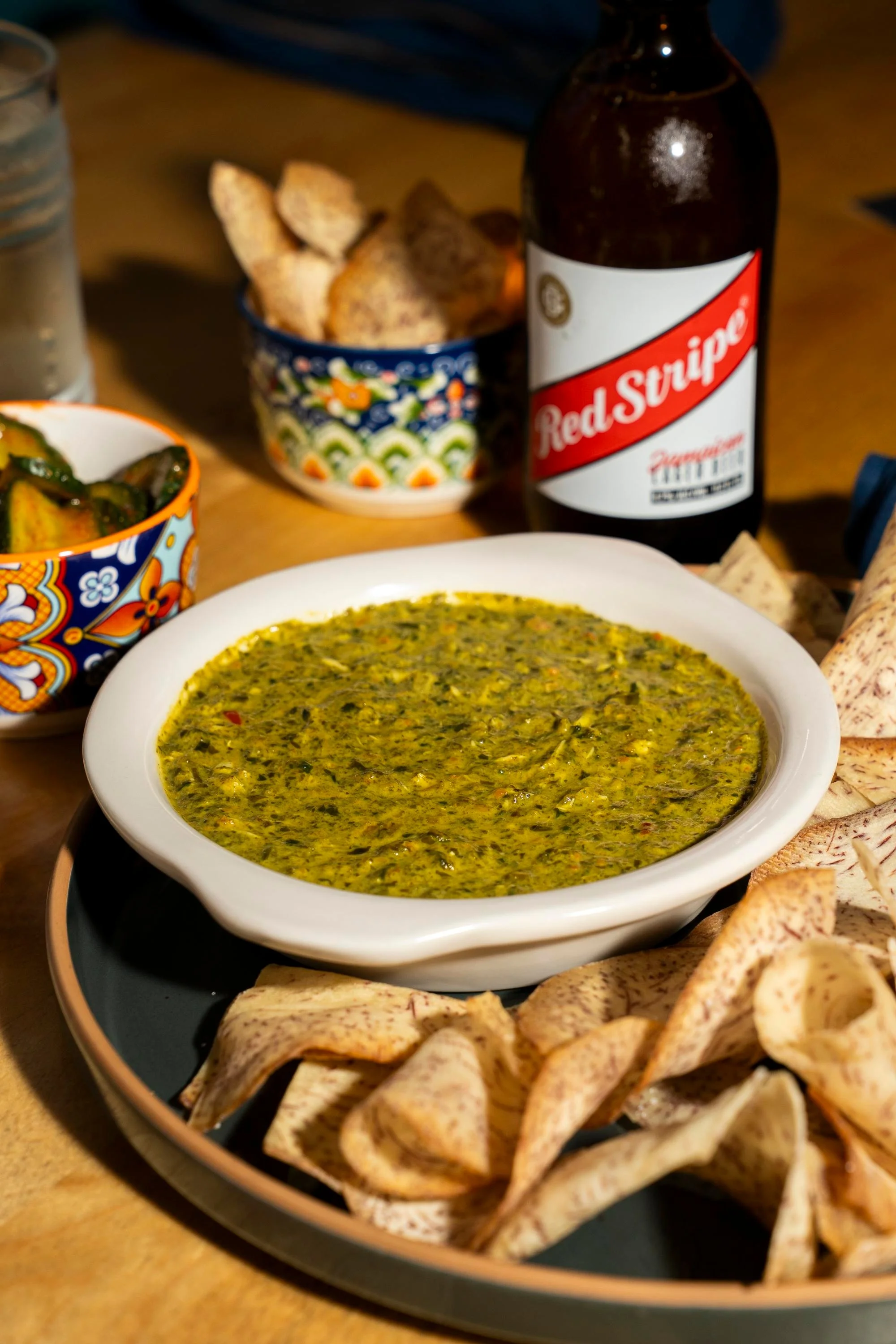
Nothing about Oklahoma City's landscape suggests the Caribbean, apart from the flat, endless sky. Yet inside a cavernous industrial dining room downtown, Dougla Kitchen serves fruity rum drinks in plastic bags. Acclaimed chef Andrew Black draws on his Indo-Jamaican upbringing here, and the cooking reads as personal rather than theatrical.
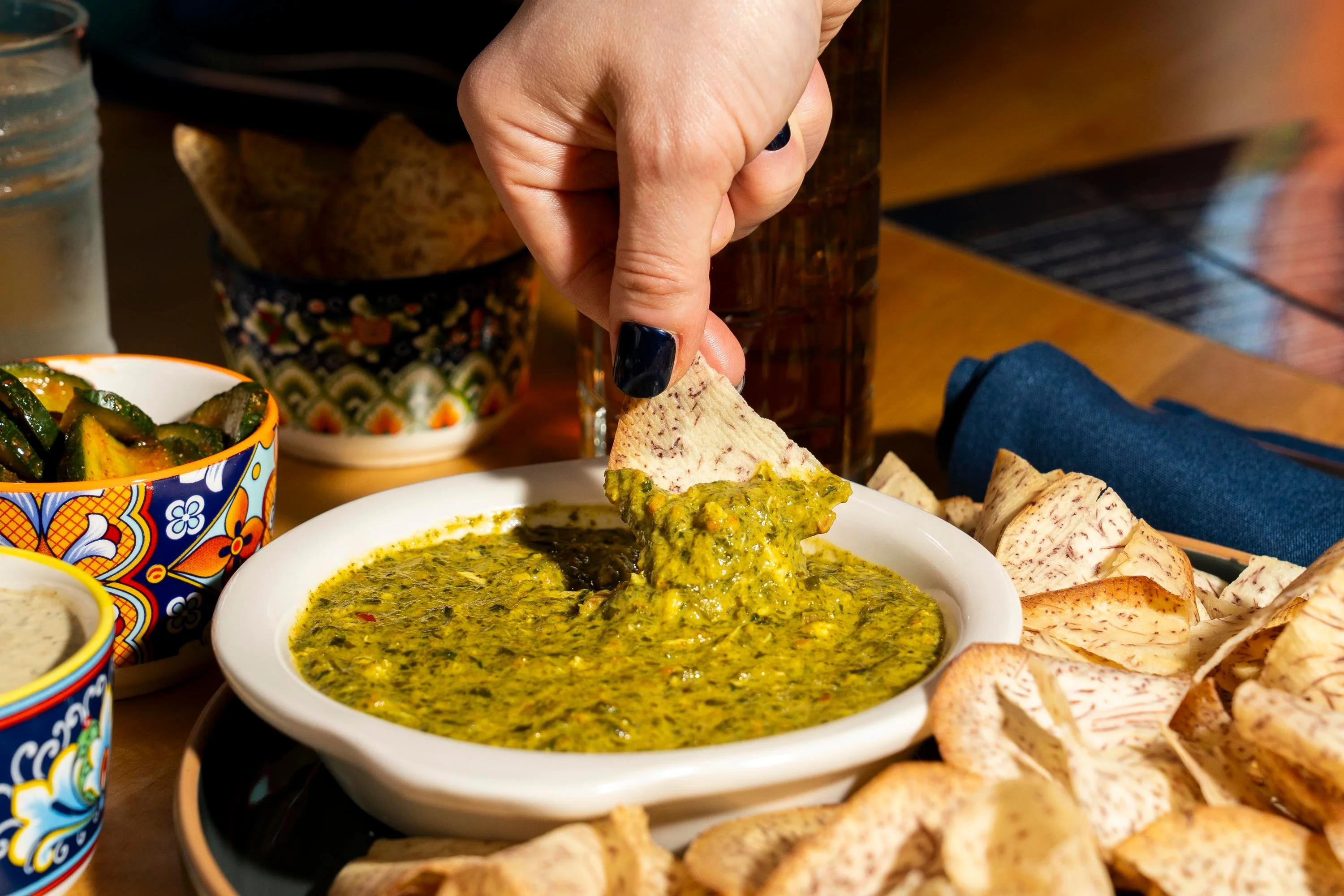
The standout is a dip of callaloo greens, hand-picked crab, and curry spices. It looks like a humble pile of greenish-brown mush, but it packs a lot into a single scoop. It comes with crisp taro chips for dipping. The flavor is layered and deeply savory, and it carries the feel of Caribbean home cooking. That's a hard thing to convey to someone who didn't grow up with it. I didn't expect to feel nostalgic for a family table I've never sat at, but this appetizer managed it. It's the kind of plate that rewards a slow afternoon and a couple of cold Red Stripes.
Cantaloupe and verjus terrine that treats Jell-O seriously
Nashville, Tennessee

On paper, a cantaloupe terrine sounds like something to be wary of. At Junior in Nashville, chefs Philip Krajeck and Brian Mejia make it work through precision. The slice is built from cantaloupe suspended in clear gelatin made with verjus, the pressed juice of unripened grapes. One corner gets tiny cubes of cantaloupe dressed in citrus-forward turmeric oil. Another is draped with cream steeped in chamomile.
The structure is what makes it interesting. The melon is a French variety grown by a local farmer, and it's compressed to concentrate its flavor. Clarified cantaloupe juice holds encased slices and sits between two layers of verjus gelatin. Each bite moves between bright, acidic fruit, the soft calm of chamomile, and gelatin that blends melon sweetness with the sharp snap of verjus.
Somehow Junior has managed to make Jell-O cool again, and I'd even argue it's sophisticated. This dish reflects the restaurant's broader confidence. The kitchen isn't chasing shock value. It trusts that a dessert built on technique can be just as satisfying as one built on sugar.
What these five dishes say about 2026
Look across the list and a pattern emerges. The best dishes this year didn't abandon tradition. They sharpened it. A chicken in Los Angeles, a fish in Cleveland, and a dessert in Nashville all rest on familiar foundations, then push them somewhere new. The toast in Chicago and the dip in Oklahoma City work the same way, one through craft and the other through memory.
My read is that the next wave of restaurant dining will reward this kind of focus. Diners are increasingly willing to follow a chef who has a clear point of view, even if the dish sounds odd on the menu. That's a good sign for kitchens taking real risks with humble ingredients. Expect more walleye cheeks, more verjus, and more chickens on menus. The ones worth the drive will be the ones that stop treating the familiar as a default.