Each of the chefs in our new national Chef of the Year category made news this year. But the newest restaurants are only part of the story. What ties this group together is how openly they cook from their own roots, whether that means a childhood in Lima, a family's kitchen in Guerrero, or a grandmother's recipes in Iran. Five chefs, five cities, and a clear sense that the most interesting work right now is personal.


Laura Ozyilmaz, Maria Isabel
San Francisco, California
San Francisco diners first got to know Laura and Sayat Ozyilmaz through Dalida, where they championed Eastern Mediterranean cooking. That restaurant told the story of Sayat's upbringing and influences in Istanbul. It opened in 2023 inside a historic building in the Presidio and earned critical acclaim for the couple's cooking.
Laura then became a familiar face beyond the restaurant. She made an impressive run on Top Chef in 2024, and viewers watched her move easily between Mediterranean food and Mexican cuisine. Now her own heritage has its own room. Maria Isabel, which debuted in 2026, feels like the fullest version of who she is as a cook.

The restaurant takes its name from Laura's sister, Maria, and her mother, Isabel, and the women of the family run through the whole place. The wine list highlights female winemakers, the ceramics come from Mexican producers, and the ingredients are largely indigenous to Mexico. The menu traces Laura's upbringing in Guerrero and her family's Sinaloan roots through mariscos and maíz, moles and salsa macha.
The ceviche Acapulqueño is the clearest break from the version many diners know. Instead of a Fanta- and ketchup-laden preparation, it uses marigold flowers and preserved Seville oranges to dress tender shrimp and raw scallop. Three fried shrimp heads sit on top. The duck enmoladas show off mole negro, paired with a seasonal mole that changes with the calendar. One season brings a peach manchamanteles, another a rhubarb version, and both hold their own. Chochoyotes, a dumpling made from masa and rarely seen in San Francisco, show how far the kitchen can push one ingredient. Here, the earthy flavor of huitlacoche carries the dish.
Maria Isabel works on two levels. It gives diners a clear route into complex Mexican flavors, and it offers a view of the Mexico Laura remembers and the one she wants to build.
Carlos Delgado, Maru San
Washington, D.C.
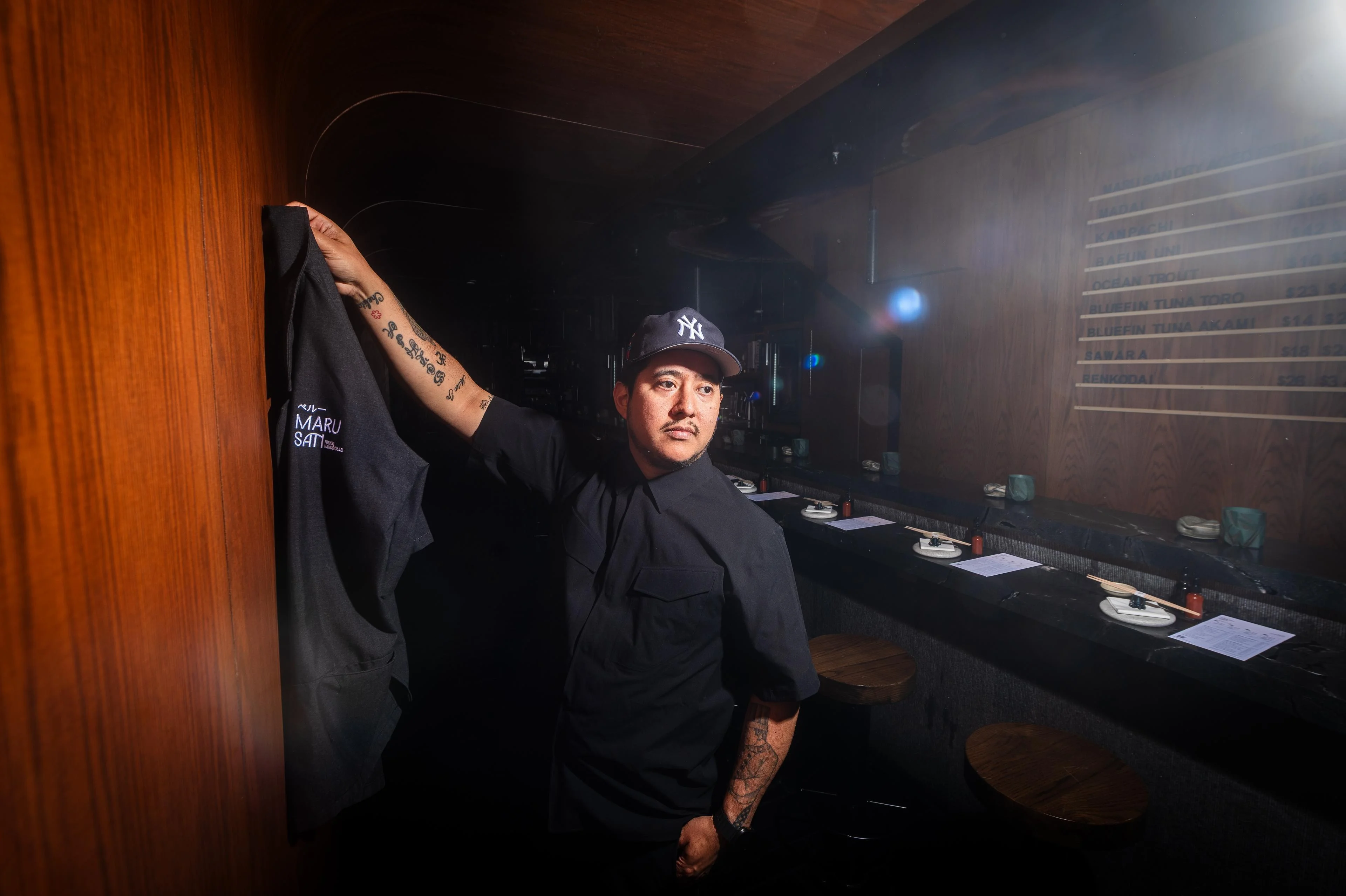
Carlos Delgado's rise in D.C. started in 2022 with Causa, a tiny tasting room in Shaw. The menu takes diners along the Peruvian coastline and up into the Andes, where Delgado grew up. Upstairs, the pisco bar Bar Amazonia extends the concept. His careful sourcing and technical precision quickly drew critical acclaim.
This may be the Lima native's biggest year yet. His breakout project, Maru San, drew strong Capitol Hill buzz after opening in February. Delgado and fellow José Andrés alum Simon Lam run the 25-seat room, which has a black marble counter, a large pink octopus mural, and a playlist of tropical house. The food is Nikkei-style hand rolls, sashimi, and polished seafood plates, with high-end uni and dry-aged fish showing up on the tasting menu. The 15-course feast is hard to book, and that scarcity says plenty about demand.
Delgado, who is 36, isn't staying in one lane. Last year he took on a menu overhaul at La Vie, the Mediterranean-themed restaurant at D.C.'s Wharf development, and at least one more Maru San is in the works elsewhere in the city. His mentor's influence is still visible. Before Causa, Delgado spent years as the longtime executive chef at China Chilcano, José Andrés's Peruvian mainstay in Penn Quarter. The two still text frequently.

Amir Hajimaleki, Roya
Austin, Texas
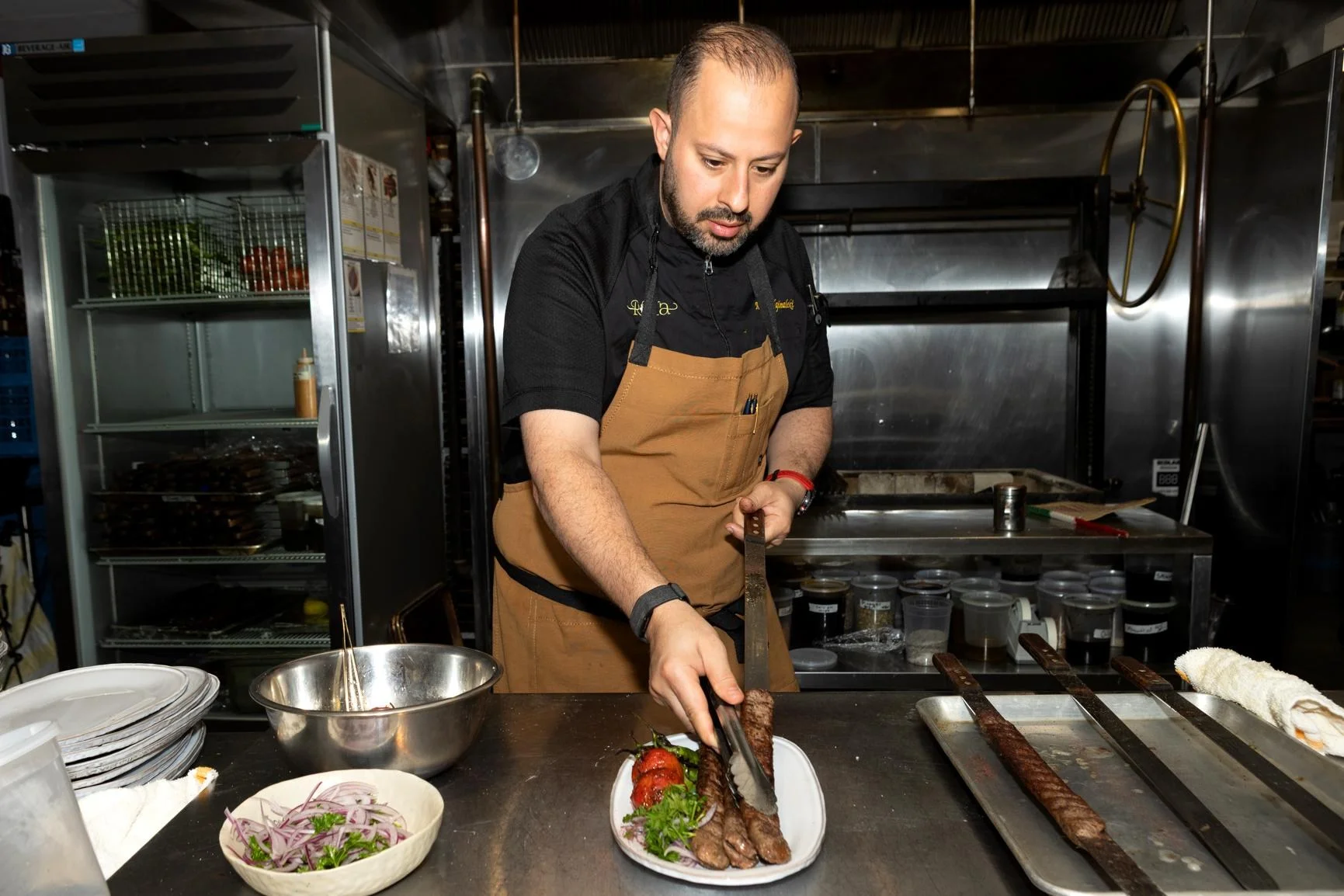
Amir Hajimaleki has run American-leaning restaurants in Austin for well over a decade. Roya is the first one that lets him cook as an Iranian-born, Texas-raised chef. The project has been in development for more than eight years, and it shows. Putting a serious Persian kitchen in the middle of Texas is a bold move, and Roya executes it with confidence. The room was designed with his brother, Ali Hajimaleki, and it leans into intricate tile mosaics, burnished gold and dark blue tones, and delicate chandeliers.
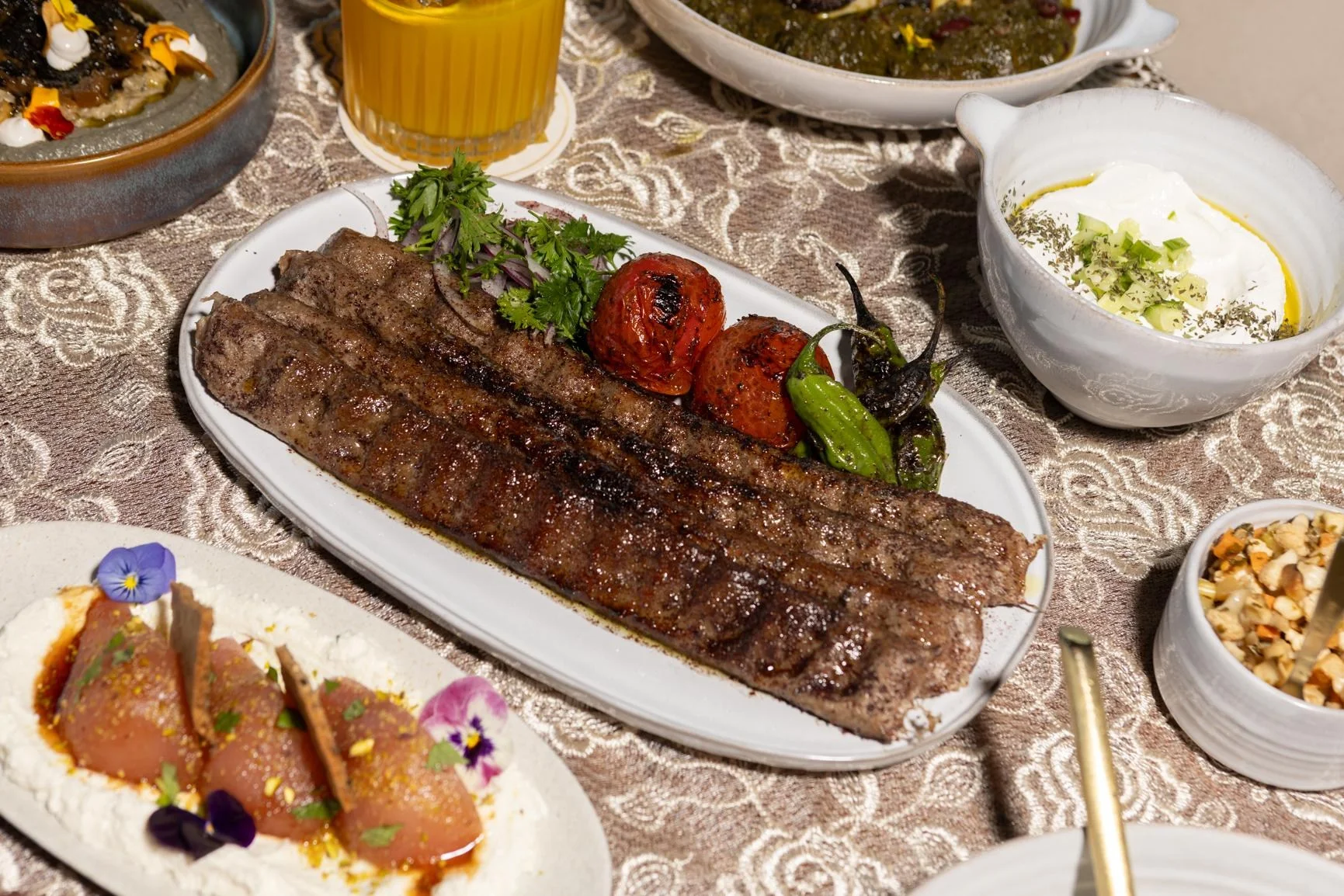
The strongest expression of the menu is the sofreh experience, an $85 prix fixe. Servers lay down a white lace tablecloth and then walk you through Hajimaleki's take on Iranian classics. Shirin polo arrives as a nutty, crunchy, sweet jeweled rice. Ghormeh sabzi, a tangy herb stew built on short rib, gets extra richness from roasted bone marrow. A trio of juicy kebabs follows. Tea service, dessert, and a take-home box of tea and cookies close the meal, and it feels like leaving a family home with parting gifts. Hajimaleki still calls his grandmother to check on new dishes, which tells you where the menu comes from.

Phila Lorn, Sao
Philadelphia, Pennsylvania
Philadelphia's restaurant scene has been buzzing for a few years now. The city has long punched above its weight, and the rest of the country is finally catching on. Two of the newer names have cut through the noise of the city's established favorites. One is Mawn, a Cambodian noodle house that opened in 2023. The other is Sao, a Southeast Asian oyster house and raw bar that opened last September. Both come from Phila Lorn.
Lorn runs both restaurants with his wife, Rachel, and the food blends his Philadelphia upbringing with his Cambodian background. The cooking feels loose and confident, unbound by any rule about where one cuisine ends and another begins. At Mawn, funnel cake meets coconut macaroons, and vinegar peppers sharpen scallops in red curry. At Sao, crispy rice in the nam khao salad, topped with Italian sausage, reads almost like arancini. Tuna carpaccio gets crispy shallots and jalapeños, then a lime cure that gives it the brightness of a bowl of beef pho from Washington Avenue.
Lorn carries a commanding presence with his South Philly bravado and his frequent use of "jawn." It's clear the city's culinary community is paying attention, and that people are eager to eat more of his food.


Aaron Lopez, Ursa
Tucson, Arizona
Aaron Lopez's idea started in El Centro, an agricultural city near the U.S.-Mexico border. He wanted a menu built on the techniques and flavors of the Sonoran Desert, a region that stretches across northern Mexico, Arizona, and southeastern California. Trained in top Los Angeles kitchens, he went into the desert to research, camera and instincts in hand. A year later, he and his wife, June Chee, brought the project to Tucson, a bigger city still surrounded by desert but with a different audience.
Ursa occupies a high-ceilinged, brick-walled space downtown. Lopez and his team serve a $150 tasting menu that combines Indigenous cooking methods with foraged and locally farmed ingredients. The first bite is barrel fruit, a yellow cactus with the tang of pickled chiltepin leaves, and it's a flavor you're unlikely to find on a European plate. Quail breast arrives on a metal skewer with pickled yucca, floating over a jujube broth. Goat roasted in agave, pit-barbacoa style, is unveiled at the table and served over softened tepary beans.

The kitchen doesn't dress things up. Produce and meat are allowed to speak for themselves. Lopez treats a meal of cactus, corn, sunflower tea, and beans as luxury, and the restraint makes the cooking hit harder. His larger point, that this landscape, its people, and its ingredients deserve attention, comes through in every course.
What these five restaurants share
Five cities, five cuisines, and one consistent thread. Each chef is cooking from a specific place in their life, whether that's a Guerrero childhood, a Lima upbringing, a Persian family table, a Philadelphia neighborhood, or the Sonoran Desert. The result is menus that carry real history instead of generic trend-chasing.
My read is that the next wave of American restaurants will look a lot like this. Diners are getting better at spotting cooking that's rooted in something, and chefs who can articulate where their food comes from are the ones building lasting followings. Watch the second and third restaurants these chefs open. Delgado's additional Maru San, Lopez's next move beyond Tucson, and whatever Hajimaleki builds from Roya will show whether this personal approach can scale without losing its edge.