Red Light Therapy Devices: Why the Price Tag Matters Most
·5 min read
I've tested plenty of beauty gadgets, and red light therapy is where the price tag matters most. A luxury moisturizer usually performs about the same as its drugstore cousin. A red light device doesn't follow that rule. The wavelengths a tool emits and how well it delivers them vary from one design to the next, and that's where cheap models cut corners. If a device seems too good to be true at its price, it probably is.
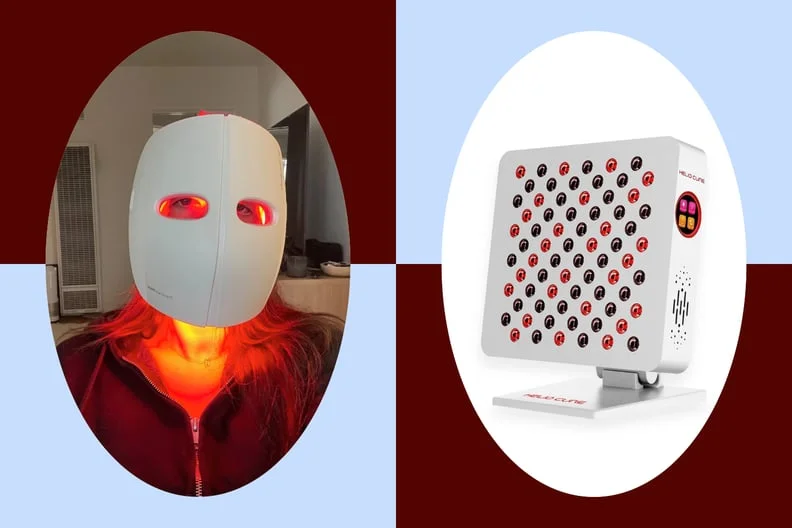
The other half of the argument is consistency. Red light therapy only works if you keep using it, so a pricier device you'll actually stick with beats a bargain that sits in a drawer. Red light is one of the most widely used LED therapies, and many experts consider it the most effective option for boosting circulation, supporting collagen production, and calming inflammation. You've likely seen it in influencer routines, with people relaxing under LED face masks. But the technology has spread well beyond the face. Devices now target knees, lower backs, and the scalp.
Our editors pick each product independently. We may include paid promotion, and we may earn a commission on purchases made through the links below.
The Best Red Light Therapy Devices
Here are the 10 picks, covering face, body, and everything in between, from editor favorites to top-of-the-line designs.
- **Best for lips:** [Dr. Dennis Gross Skincare DRx SpectraLite LipWare Pro LED Device](https://www.sephora.com/product/drx-spectralite-tm-lipware-pro-led-device-P506801) at $148
- **Best for undereyes:** [Shark Beauty Shark CryoGlow Under-Eye Cooling + LED Anti-Aging Red Light & Skin Clearing Mask](https://www.sephora.com/product/cryoglow-tm-cooling-led-face-mask-P515543) at $349
- **Best for hair growth:** [HigherDose Red Light Hat](https://www.quince.com/beauty-&-wellness/red-light-hat-by-higherdose) at $359, originally $449
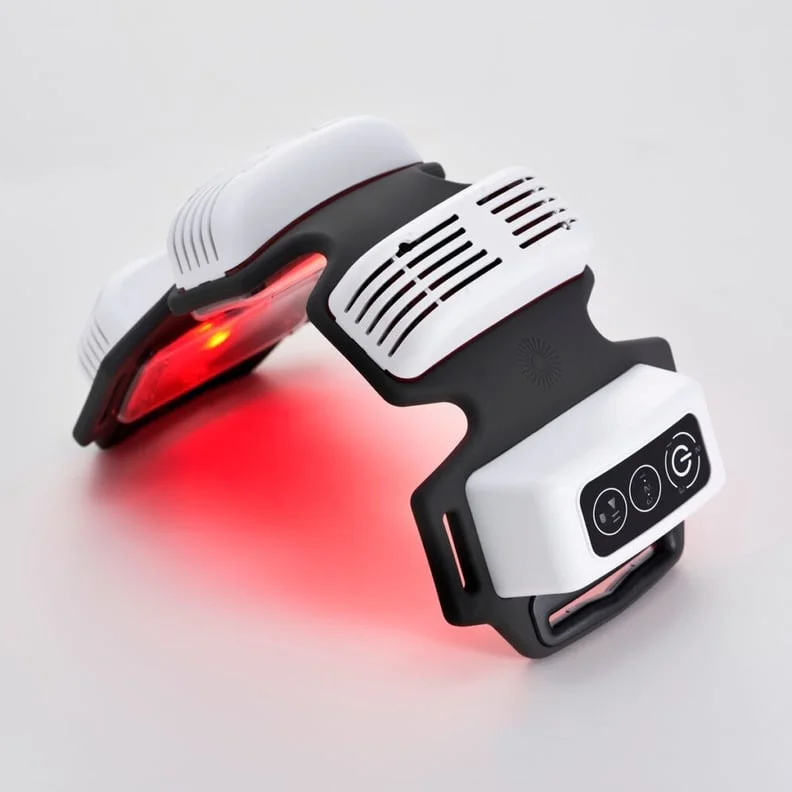
- **Best multipurpose body design:** [Recharge Health FlexBeam 1](https://recharge.health/product/flexbeam/) at $479, originally $599
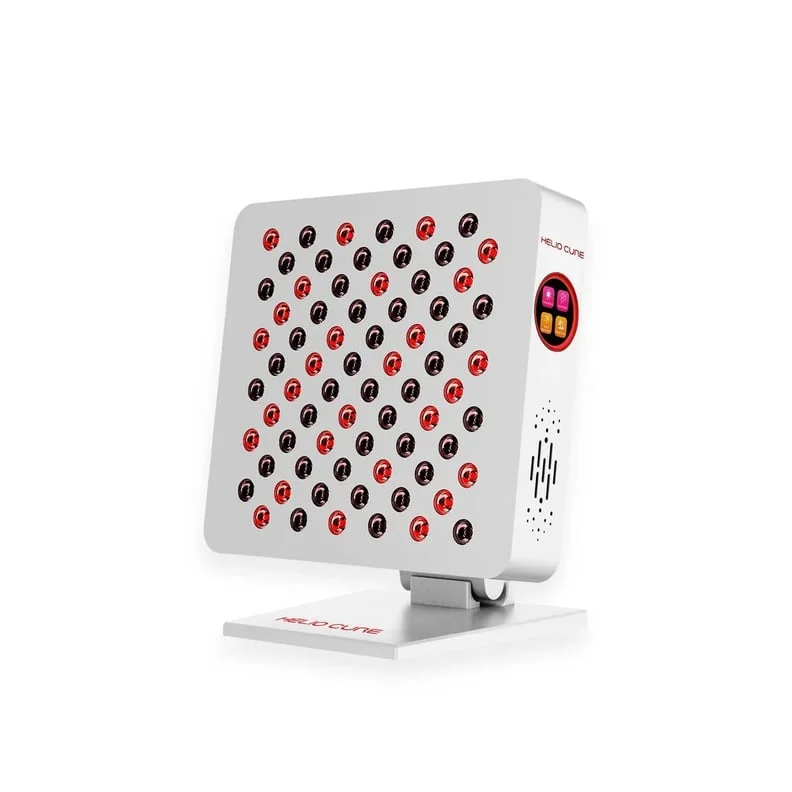
- **Best overall device:** [Helio Spark by Helio Cure](http://heliocure.com/products/helio-spark) at $499, originally $599
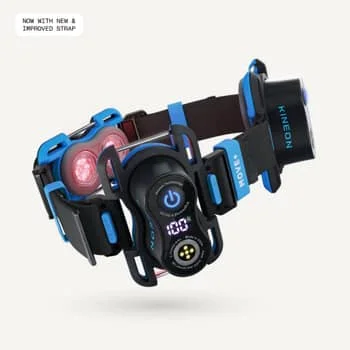
- **Best for knees:** [Kineon Move+ LED and Laser](https://kineon.io/products/red-light-therapy-device) at $499, originally $699
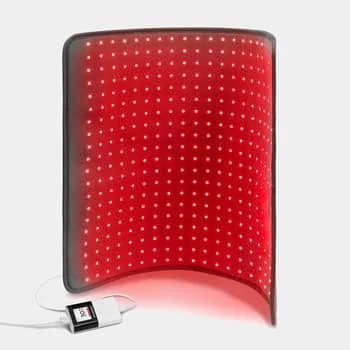
- **Best for back:** [NOVAA Light Pad XL](https://novaalab.com/products/novaa-deep-healing-pad-xl) at $510, originally $599
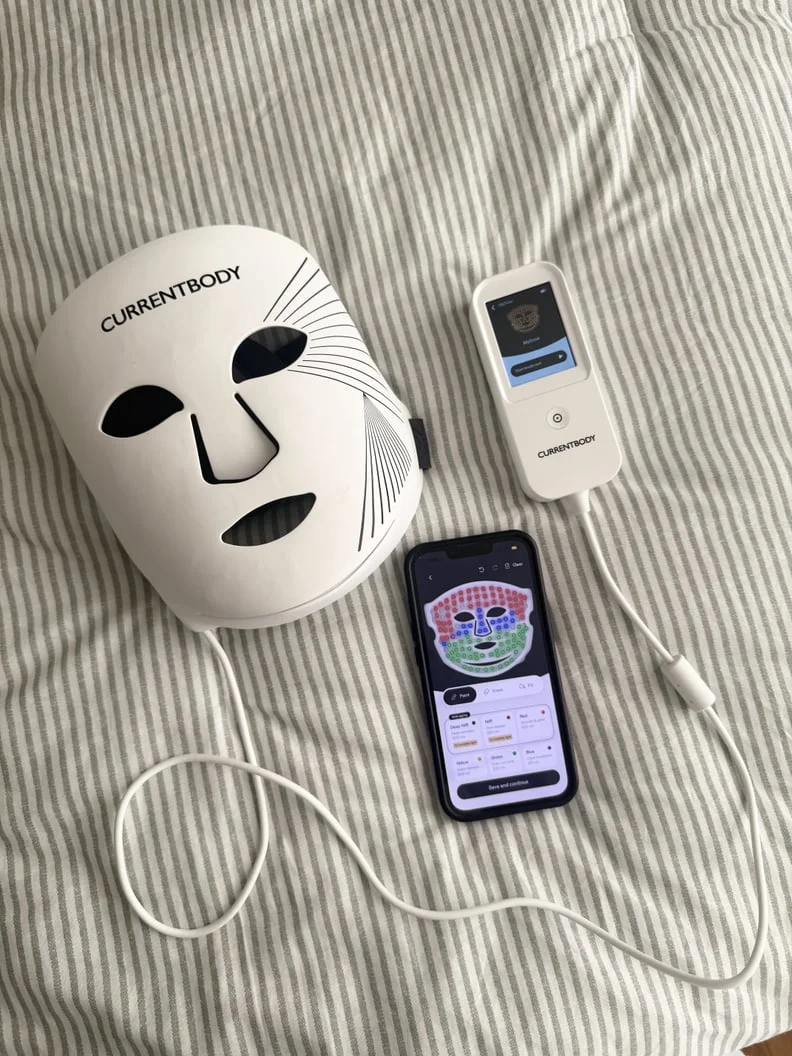
- **Best for customized treatments:** [CurrentBody LED Light Therapy Face Mask Series 3](http://www.amazon.com/dp/B0HJD4W4CF) at $570
- **Best for face:** [Therabody TheraFace Mask](http://www.therabody.com/products/theraface-mask) at $650
- **Best for brain:** [MitoMIND Helmet](https://mitoredlight.com/products/mitomind-helmet) at $2,199, originally $2,995
The range runs from $148 to $2,199, but the middle is where the "splurge" label really bites. Eight of the ten sit between $349 and $650. The MitoMIND helmet is the outlier, and it's a very different purchase from a mask you'd wear during your evening routine.
Lips: A Spot Most Masks Ignore
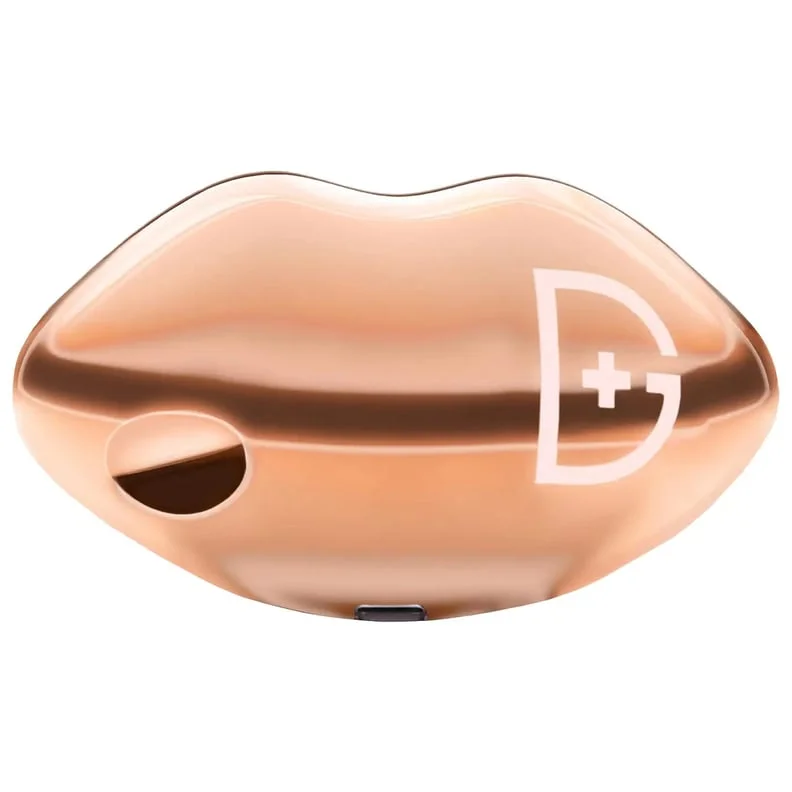
Most LED face masks leave an open gap where your mouth sits. The LipWare Pro does the opposite. It covers just the lips, aiming at fine lines and wrinkles on the lips and around the smile. It packs 56 red LEDs and is FDA-cleared.
[](https://www.sephora.com/product/drx-spectralite-tm-lipware-pro-led-device-P506801) **[Dr. Dennis Gross Skincare DRx SpectraLite LipWare Pro LED Device](https://www.sephora.com/product/drx-spectralite-tm-lipware-pro-led-device-P506801)**, from $148
Under the Eyes, With a Cooling Assist
Shark's CryoGlow went viral, and the hype is easy to understand. It offers three LED wavelengths, plus two under-eye plates with three cooling settings meant to depuff and tighten the area during each session. The shopping director, Sarah Wasilak, was won over enough to feature it in her holiday gift guide.
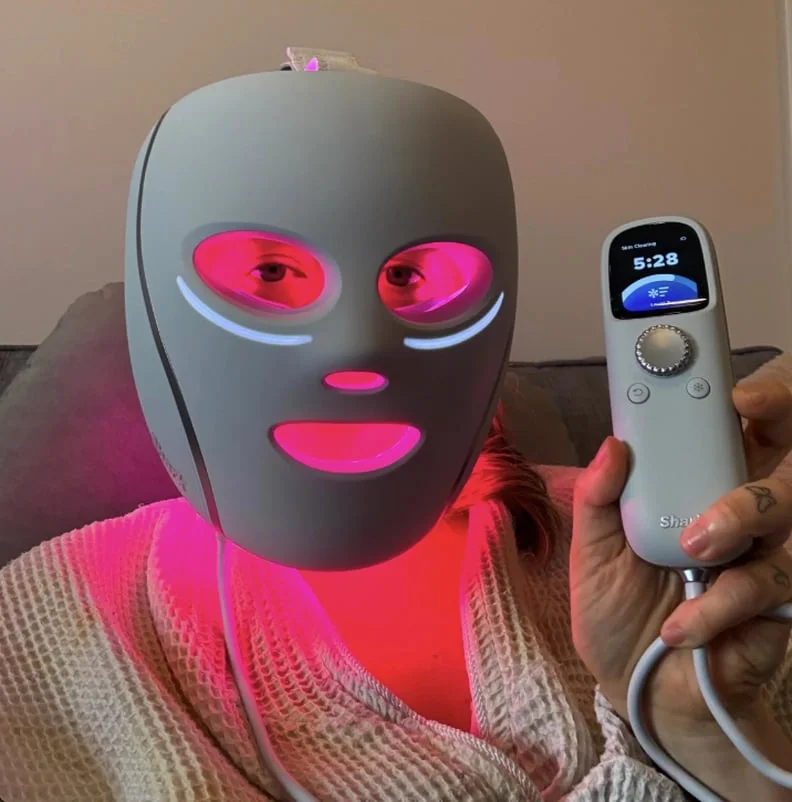
Her verdict is worth reading in full:
> "Out of all the antiaging products I've started to use, my red light therapy essential has to be my favorite. The Shark mask comes replete with an under-eye cooling system that you can turn on or off and four different dermatologist-optimized treatment routines depending on your goals. It's FDA-cleared, HSA- and FSA-eligible, and uses red, blue, and deep infrared LED wavelengths to help rejuvenate skin, fade pigmentation, and improve firmness. Sessions are under 10 minutes, so I tend to reach for it when I'm multitasking — folding laundry while watching TV in the evenings, for example — but if I *really* want to soak in some "me" time, I actually love making red light therapy part of my meditation." — Sarah Wasilak, shopping director & social host
That sub-10-minute session length is the detail I'd underline. A device that fits into laundry night is far more likely to get used than one that demands a dedicated half hour, and consistency is where these tools either earn their keep or don't.
[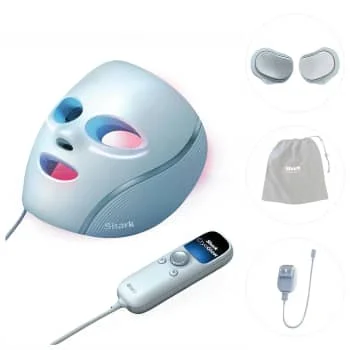](https://www.sephora.com/product/cryoglow-tm-cooling-led-face-mask-P515543) **[Shark Beauty Shark CryoGlow Under-Eye Cooling + LED Anti-Aging Red Light & Skin Clearing Mask](https://www.sephora.com/product/cryoglow-tm-cooling-led-face-mask-P515543)**, from $349
Red light for hair, and a cap people might actually wear
Hair loss is where red light therapy makes its boldest claim, and it's the one to check first. A clinical study reported 37 percent hair regrowth in women who used red light on the scalp. A separate trial found a 35 percent increase in men. Those are striking figures. Before you take them at face value, read the studies themselves, because the headline percentages don't tell you the sample sizes or the control conditions.
The product angle is convenience. The HigherDose Red Light Hat costs $359, down from $449, and it puts the light inside a baseball cap. You wear it while you do something else, which matters more than it sounds, because most home devices fail on sheer inertia.
PS Photography | Alana Peden
Contributor Alana Peden describes the usual pattern with home gadgets: excitement, a few uses, then the device disappears into a closet. Her take on the hat:
> "With the HigherDose Red Light Hat, there's zero nonsense and nary an excuse. Its discreet black power source easily clicks into place on the back of the hat — there is no guesswork. I've nothing negative to say; I love everything about this device." — Alana Peden, contributor
Glowing praise from a single tester is a starting point, not a verdict. Still, the design point is real. A device that needs no setup is more likely to get used than a better one that needs a ritual.
Injuries and the "three inches" claim
If your problem is recovery rather than hair, the Recharge Health FlexBeam 1 is pitched at runners, lifters, and anyone whose活动 routine eventually produces a strain. It's $479, down from $599. The brand's shopping director, Sarah Wasilak, uses it to support her own healing, and she's emphatic about it:
> "The FlexBeam is a lifesaver when it comes to recent injuries. The sooner you start using it, the sooner you'll heal. It's a wearable red and near-infrared light therapy device that penetrates far deeper into the muscles and joints (three inches!) than other products on the market — in just a single 10-minute session."
That three-inch depth figure is the claim to hold at arm's length. It's specific, and it's the editor's framing, not an independent measurement. Wearable devices are easy to strap on and hard to verify, so treat any penetration number as the marketing number until someone outside the company has measured it. Wasilak's own experience is a more modest data point: she pulled a hamstring, started using the device, and reports feeling better. That's encouraging, but one person's recovery doesn't isolate what the light did.
recharge.health
One panel for the whole body, or a trade-off?
The Helio Spark by Helio Cure takes the opposite approach. It's a single panel, priced at $499 (originally $599), meant to cover the face, legs, brain, and back. The brand says it uses "the industry's highest density of wavelengths," specifically 1064nm, to reach muscle, joint, and deep tissue. That's a manufacturer's claim, and it's worth asking what "highest density" means in practice and how it compares with other devices.
The pitch is one device instead of several, and that appeal is obvious. The catch is that covering a face, legs, and back with one panel means each area gets a smaller share of the device's output. Whether that matters depends on how the panel is dosed for each body part, which the product description doesn't spell out.
heliocure.com
A laser hybrid on a strap
The Kineon Move+ LED and Laser is the most unusual of the four. Most devices here are pure red or near-infrared light. Kineon pairs red light with a near-infrared laser in one hybrid design, aimed at healing damaged tissue. It costs $499, down from $699.
The form factor is the other distinguishing feature. The strap houses three modules that wrap around hard-to-reach areas like the knee, offering what the brand calls 360-degree treatment. It's lightweight enough to pack for travel, and the strap design avoids the stiff, clamped feel that makes some wearables uncomfortable for long sessions. If you're working in physical therapy or sports medicine, a hybrid laser-LED design is worth a closer look than the marketing suggests, though the same caveat applies: ask for the evidence behind the specific combination, not just the general category.
Three very different bets on red light
The final stretch of this roundup covers three devices that have little in common beyond the light they emit. One is a full-back pad, one is a face mask with customizable colors, and one is a device whose listing gives you a price and not much else.
Start with the Kineon Move+ LED and Laser, which [starts at $499](https://kineon.io/products/red-light-therapy-device). That's down from $699, a 29% markdown. The listing offers almost no product detail, so the discount is doing most of the selling. Fair enough, but if you're comparing it against the other two, you'll need to dig for specs before you spend.
A back pad built for coverage
The [NOVAA Light Pad XL](https://novaalab.com/products/novaa-deep-healing-pad-xl) sells for $510, down from $599, which works out to 15% off. Its pitch is simple: it's big enough to cover your entire back, so you can treat muscle and joint pain in one session instead of chasing spots. It uses 1,200 lights and can be propped against a chair or laid flat on the floor.
Coverage is the whole argument here. Whether 1,200 lights deliver better results than a smaller panel is a question the listing doesn't answer, and it's the one you should be asking before you pay $510. If you're the type who has tried everything for a stubborn back, a large surface is at least a reasonable place to start.
Picking wavelengths zone by zone
Red has been the most studied LED wavelength, but it isn't the only one. Up to six wavelengths are used for specific concerns like acne, inflammation, and discoloration. The [CurrentBody LED Light Face Mask Series 3](http://www.amazon.com/dp/B0HJD4W4CF) ($570) lets you assign a different wavelength to each area of your face, through an app called MyDose.
That's the real differentiator, and it's more interesting than another red panel. Shopping writer Adelaide Giesey, who tested it, put it this way: "I can use blue around my chin to tackle breakouts, green around my cheeks to calm inflammation, and red everywhere else — all in the same 10-minute session." She also noted that Series 3 owners can share their favorite settings with each other.
Here's the catch. The case for this mask rests on one tester's experience, and the enthusiasm is credible but not a substitute for independent evidence that mixing wavelengths by zone works better than a single setting. Still, if you want control over where each color goes, this is the only one of the three that's built around it.
What to take from the lineup
Each of these devices is priced in a different way. The Kineon leans on a steep discount, the NOVAA on coverage, and the CurrentBody on customization. Note that the links above are affiliate links, so they carry a commission for the publisher. Before buying, check the current price, since these markdowns change, and look for the specs that the listings leave out.