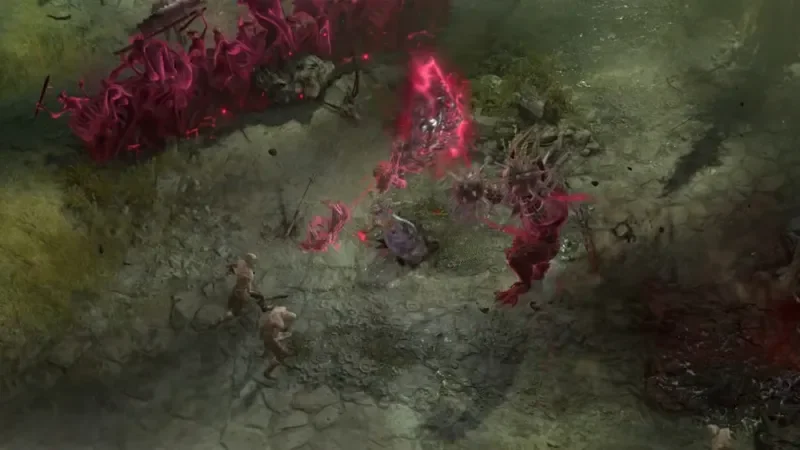
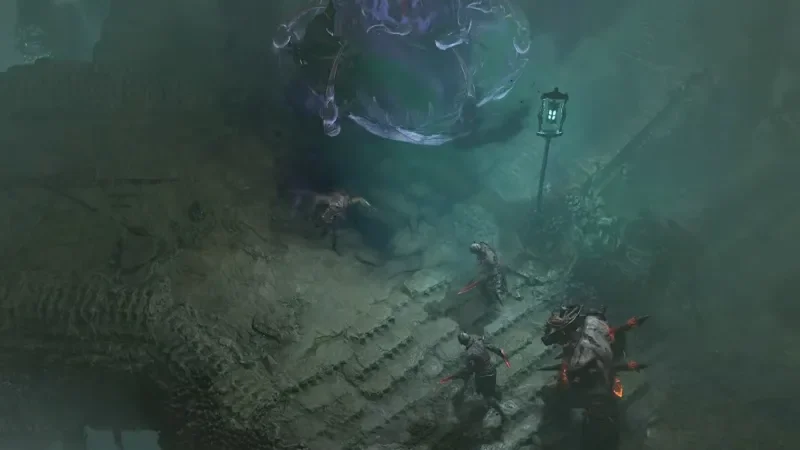
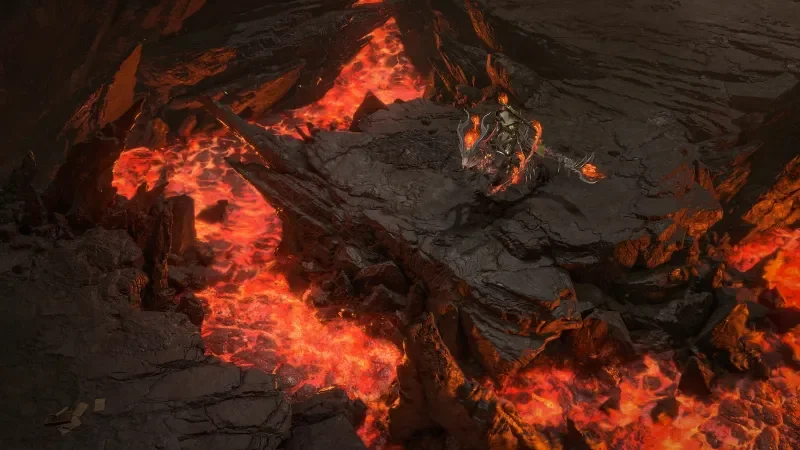
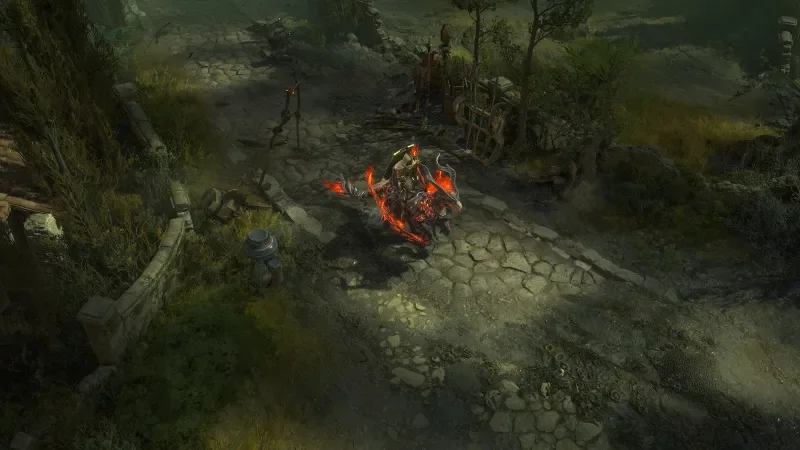
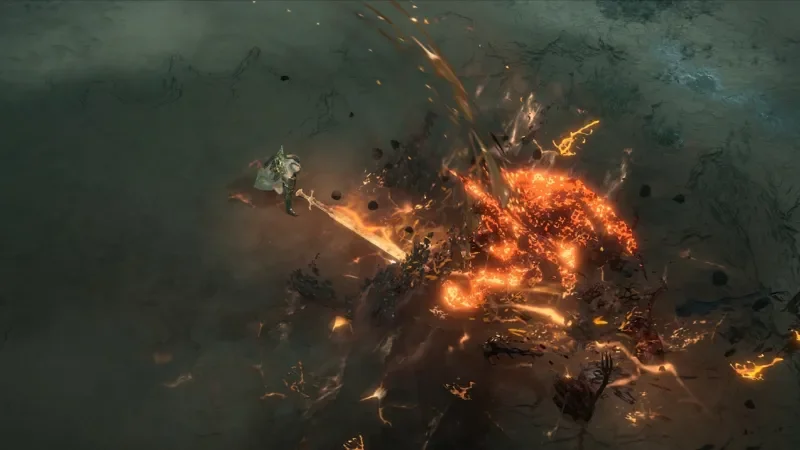
Blizzard's latest expansion for Diablo IV, titled *Lord of Hatred*, augments the franchise with an emotionally charged narrative and engaging new content, positioning itself as a significant addition for both newcomers and veterans alike. Scheduled for release on April 28, 2026, this expansion dives deeper into the gripping saga that players have come to expect, while also offering exciting new elements for gamers eager for richer gameplay experiences.
Driving the Narrative Forward
What makes *Lord of Hatred* particularly compelling is its direct continuation from the cliffhanger ending of the previous expansion, *Vessel of Hatred*. Players are thrust into a dark and morally complex storyline where Mephisto, now masquerading as a charismatic leader, manipulates the populace of Skovos. This shift reveals a multi-layered antagonist that stands in stark contrast to the classic demon archetypes familiar throughout the series, adding both depth and intrigue. Historically, many video game villains have fallen flat, reduced to mere obstacles for players to overcome. But here, Mephisto's intricate machinations lead players through moral dilemmas that resonate on a personal level. For so many, the thrill of navigating these shades of gray can lead to introspection about choices made in-game and their corresponding ethical implications. Meanwhile, the return of Lilith also enriches the narrative; her motivations and connections are unveiled, allowing players to explore her character within a rich narrative tapestry.
New Classes and Expanded Gameplay Mechanics
The introduction of the Warlock and Paladin classes brings fresh engagement to gameplay. Warlocks, for example, possess the ability to summon terrifying demons, while Paladins wield divine powers with ferocity. That diversity caters to different playstyles, allowing players to find a character they truly resonate with. However, it’s not just about picking a class; it’s about the profound impact this choice has on gameplay experiences. Players can now experiment—an essential aspect of any RPG. The expansion of skill trees means players can unlock a slew of perks offering granular control over their preferences. Imagine modifying spell cooldowns, adjusting weapon projectiles, or applying diverse status effects. These elements promote a tailored gameplay experience. If you're working in this space, you know that customization can mean the difference between a good game and a great one. Games with such depth tend to foster dedicated player communities, keeping engagement high long after release.
Exploring the New Region: Skovos
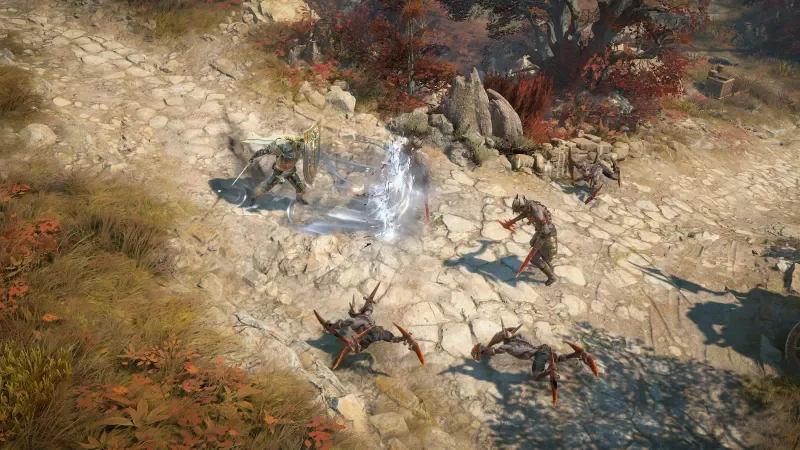
Skovos serves as a visually captivating environment, drawing inspiration from Mediterranean aesthetics that contrast sharply with previous regions in Sanctuary. Beyond its breathtaking landscapes, Skovos is populated with both new demonic threats and human adversaries. This infusion of varied encounters amplifies the gameplay experience, as players must adapt their strategies continually. Here, the setting isn't just a backdrop; it shapes the narrative itself. The region invites exploration through various sidequests and dungeons, while an unexpected fishing minigame introduces a lighthearted touch. (And this is the part most people overlook.) Such diversions can be seen as mere fillers, yet they provide a counterbalance to the darker themes prevalent in the main story, creating a more rounded experience as players navigate through this haunting yet beautiful region.
Endgame Innovations and Player Engagement
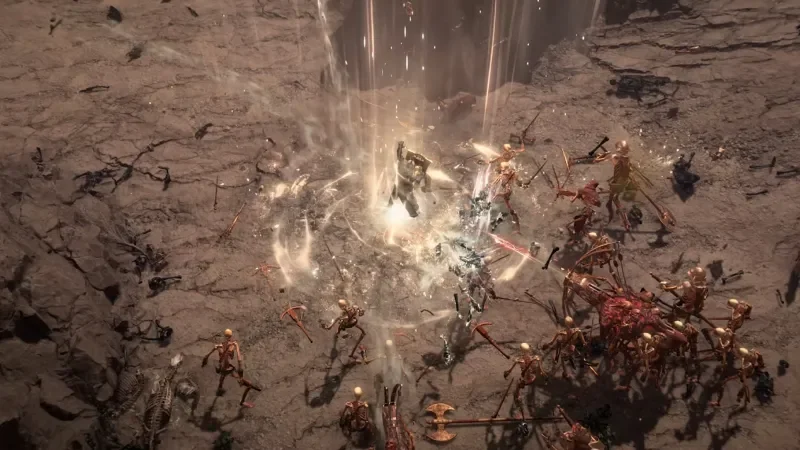
One standout feature of *Lord of Hatred* is the implementation of War Plans, redefining how players interact with endgame content. This system allows players to curate a personalized playlist of randomly selected activities such as Nightmare Dungeons and Helltides. This feature streamlines what was once a daunting experience, addressing the ongoing criticism about players feeling overwhelmed by the sheer volume of content available. They can now focus on gameplay rather than sifting through complex menus or an expansive map, which, frankly speaking, is a welcome change. This usability shift opens up the game to a broader audience, allowing both new and seasoned players to find enjoyment.
Moreover, each endgame activity is equipped with progression trees that reward not just completion, but repeated engagement. This mechanic is crucial; it incentivizes players to invest time into specific activities, as they unlock modifiers altering gameplay dynamics. Such an approach ensures that even veteran players face fresh challenges, pushing them to continuously evolve their strategies. Here’s the thing: when a game offers that level of depth, it transforms from a mere pastime into a full-fledged hobby, emphasizing the potential for sustained player investment.
Additions That Enhance Replayability
A smaller yet colorful addition is the *Echoing Hatred*, a challenge mode aimed at players looking to test their skills against progressively difficult waves of enemies. While this mode might deter more casual players due to its steep difficulty curve, its rarity introduces an element of exclusivity that's likely to generate buzz within the community. This kind of challenge appeals to players who thrive on high-stakes engagements, keeping the competitive spirit alive and well. It's worth recognizing that this blend of difficulty and engagement could serve to reinvigorate interest among dedicated players. Make no mistake, challenges like this breathe life into community discussions, strategies, and camaraderie, as players share their victories and frustrations.
Implications and Future Outlook
The significance of *Lord of Hatred* extends beyond just its immediate offerings; it sets the stage for the franchise's trajectory. With its rich narrative, complex gameplay systems, and immersive environments, Blizzard has crafted an experience that marries storytelling and gameplay mastery. These elements are not merely decorative; they encourage repeat engagement and deepen emotional investment, qualities that could define the future of the franchise. As existing arcs come to a close, the expansion also cleverly lays groundwork for future content that feels naturally integrated rather than a haphazard addition.
Ultimately, the community's response to these changes could dictate the direction of subsequent expansions. Blizzard appears to be attuned to player feedback, which could significantly inform design choices in the future. This kind of responsiveness is becoming an expectation among gamers. What this means for you is that your involvement in this expansion could influence the evolution of the *Diablo* series itself. You can shape every battle, every quest, and every interaction to help forge the game's future.